 Retro Replay Retro Gaming History, Reviews & Emulation
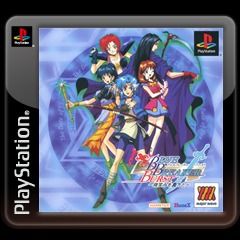
Retro Replay Review
Gameplay
The first hour has a pleasantly odd rhythm: you are not simply picking a fighter and grinding through a bracket. You guide Chimena across a world map, visit locations, watch story scenes unfold, and then step into a fight when the journey calls for one. That makes Blue Breaker Burst feel more personal than a bare arcade ladder, especially if you like a little context before the next bout begins.
The bigger adjustment is accepting that this is a full 3D one-on-one fighting game rather than another RPG. The game does give you sensible places to learn: Training mode includes move lists and combo practice, while Versus lets you fight either the computer or another person without campaign interruptions. Spend some time there before relying on the story mode to teach you everything; the campaign is built to carry the narrative forward, not merely to serve as a practice room.
Once Chimena’s story starts clicking, the structure has more staying power than it first seems to. Progress unlocks additional character stories, so the returning cast is not confined to cameos around the heroine’s quest. Original Mode strips away the narrative and sends you through a straightforward run of opponents, which is the right choice when you just want fights. It is a useful split: story-driven sessions when you have time, quick combat when you do not.
Frustration may set in if you wanted the sequel to continue Blue Breaker in the same genre. This is a bold pivot, and the world-map and visual-novel framework will not replace RPG exploration for everyone. But if you can meet it on its own terms—as a character-led fighter with several ways to engage—the format has a distinctive charm.
Graphics
Blue Breaker Burst puts its anime/manga cast into 3D one-on-one battles, while its story scenes use a visual-novel style. The contrast suits the game’s two halves: character conversations set up the next destination, then the fighters take over when the action starts.
Story
Peace has returned only halfway: the Dark Lord is sealed, yet Chimena still sets out across the world in search of an ancient holy sword. That is a clean, serviceable reason to keep moving, and making a new character the lead prevents the sequel from feeling like it is only revisiting familiar ground.
Much of the earlier game’s cast returns, and the location-based events are where that reunion matters. Conversations do more than decorate a menu path; they push Chimena’s trip onward and commonly lead into the next fight. The story is therefore woven into the game’s rhythm rather than parked in a separate mode.
The unlocked side stories are the strongest reason to stick with the campaign beyond Chimena’s central route. They let the supporting cast claim more attention and give fans of the earlier game a practical reward for progressing. Newcomers can follow Chimena’s quest, but familiarity with Blue Breaker: Ken yori mo Hohoemi o should make the returning characters land with more weight.
Overall Experience
Blue Breaker Burst is most interesting because it refuses to be a routine sequel. Trading an RPG format for a 3D fighter is a risk, but the world-map travel and visual-novel events give its battles a purpose that many arcade-style fighters lack. You are following a journey, not just clearing a list of opponents.
Its payoff depends on what you bring to it. Blue Breaker fans willing to accept the genre shift have a good reason to try it, particularly because Chimena’s campaign shares space with returning faces and unlockable character stories. Fighting-game regulars, meanwhile, have Training, Versus, and Original Mode to use when they want to focus on matches rather than dialogue.
I would recommend it most readily to anyone who likes their anime fighters wrapped around a campaign and values character time as much as a clean run of battles. It is less convincing as a replacement for the RPG follow-up some fans may have expected. Taken as its own strange branch of the series, though, it has a clear identity and enough mode variety to make the detour worthwhile.


Reviews
There are no reviews yet.