 Retro Replay Retro Gaming History, Reviews & Emulation



Retro Replay Review
Gameplay
Zill O’ll feels most exciting when you realize it will not hand you one fixed hero or one fixed opening. Before the main journey settles into place, your character’s gender, moral answers, and starting location determine the opening quest. That is a strong first impression for a 1999 Japanese RPG, because it asks you to begin by defining a person rather than simply accepting one. The various prologues eventually join the same central plot, but the early variation gives repeat runs a real reason to exist.
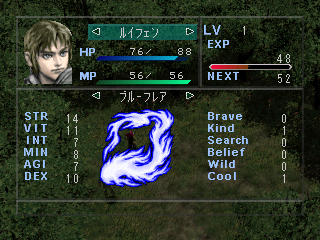
Once you are out in the world, this is a fairly accessible turn-based RPG. Enemies are visible during exploration, combat is straightforward, and your character grows through skills, elemental affinities, and semi-automatic leveling. Quick victories matter, since finishing fights efficiently brings party benefits; that adds a welcome nudge to engage with combat instead of simply grinding through it. The systems do not sound as elaborate as the scenario structure around them, but they provide a solid enough foundation for the game’s larger choices.
The best part is how travel and questing create pressure. You pick destinations from the world map, every journey consumes time, and main-plot events can continue whether you feel ready or not. You are free to take guild jobs—delivery, escort, discovery, slaying, and rescue—and can often choose their order, but you cannot freeze the world while clearing every task. That can be frustrating if you like exhaustive play, especially when a personal quest or a major character’s fate is on the line. It is also exactly what makes the adventure feel less obedient than a conventional linear RPG.
Soul points push your hero toward particular class directions, while choices alter personal traits such as bravery and kindness. These are not merely decorative role-playing labels: they feed into relationships that range from hatred to adoration. Zill O’ll is at its best when you lean into that uncertainty, make decisions with incomplete information, and accept that saving everyone may not be possible.

Graphics
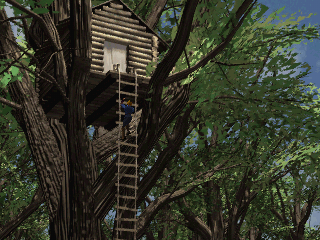
Zill O’ll uses an anime/manga fantasy style, with third-person exploration and enemies visibly walking around before battles begin. That on-screen enemy presence is useful because it lets you see encounters coming rather than being constantly interrupted by random fights.
Story
The central conflict has a pleasingly uneasy premise. Emperor Balor’s defeat has brought relative peace to Vyashion, only for the Dragon King to awaken and favor perpetual war as the means of preserving balance. It gives the story more texture than a simple “restore peace” quest: the threat is built around a twisted argument that conflict itself is necessary.
Your adventurer’s Infinite Soul is the narrative excuse for choice, and here it earns its place. The character can shape relationships and affect whether important figures live or die, particularly through involvement in their personal quests. The main plot remains largely linear, so do not expect every decision to produce a radically different campaign. What changes is the human cost around the fixed milestones, which is often more emotionally effective anyway.
That balance between agency and inevitability is Zill O’ll’s defining strength. Wars and other major events may happen regardless of your input, making the continent feel bigger than your party. Yet your attention still matters at the personal level. If you enjoy RPG stories where responsibility means choosing who to help before time runs out, the payoff is worth the occasional anxiety.
Overall Experience
Zill O’ll is a thoughtful, unusually reactive JRPG wrapped around familiar turn-based fundamentals. Its combat is not the headline; its scenario structure is. You begin with a customized entry point, travel under a clock, take work in the order that suits you, and discover that relationships can carry real consequences into the ending.
It will not suit anyone who wants complete control over every outcome or a fully branching plot at every turn. The game deliberately allows major world events to proceed without waiting for you, and that means careful planning cannot guarantee a perfect result. Some gamers will find that restrictive. Others will appreciate a role-playing game willing to let missed opportunities stay missed.
Give it a chance if you enjoy classic Japanese RPG progression but want decisions to leave marks beyond a dialogue line. Zill O’ll makes you feel like an adventurer inside a moving world rather than the sole author of it, and that distinction still has bite. For background on this particular release, the Zill O’ll history page is a useful companion.


Reviews
There are no reviews yet.