 Retro Replay Retro Gaming History, Reviews & Emulation
Retro Replay Review
Gameplay
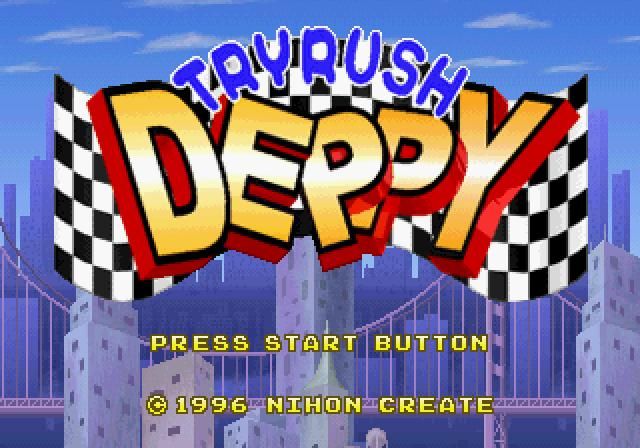
Tryrush Deppy starts with a premise that is hard not to like: your platforming hero is a cartoon taxi cab. The basic loop is instantly familiar if you grew up on fast 2D platformers. You run through side-view stages, jump on enemies that are safe to stomp, and keep moving. That familiarity gives the opening a breezy, pick-up-and-play pull.
The Super Dash is where the game earns its own space. Certain enemies are protected by spikes or fire, making a normal jump the wrong answer. A charged burst of speed lets Deppy deal with those threats, and it can also smash through selected walls. Since charging and using the dash draws from gas, you are not simply handed a permanent solution; you have to decide when a stored burst is worth spending.
That decision-making should make the platforming more satisfying than a simple run-and-hop routine. You can charge the dash as far as you like up to its maximum, then hold it for a dangerous enemy, a boss opportunity, or a wall that might hide a secret item. The tension comes from seeing a problem ahead and knowing the right tool may cost you fuel you would rather save.
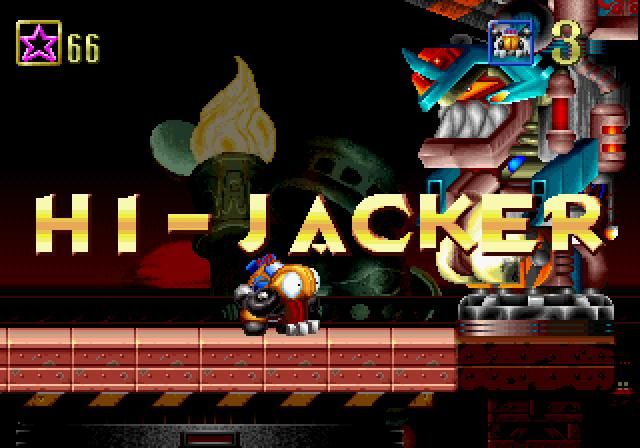
Bosses sound especially well judged in concept. Each one has a weak point revealed before the fight, which gives you a clear target rather than leaving you to guess at every part of its body. You still need to get into position and capitalize on that knowledge, but the game points you toward the puzzle it wants you to solve. If you enjoy platformers that ask for observation as well as reflexes, that is a welcome touch.
Graphics
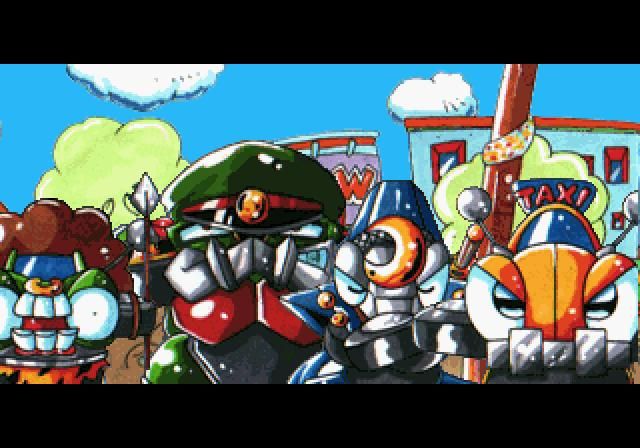
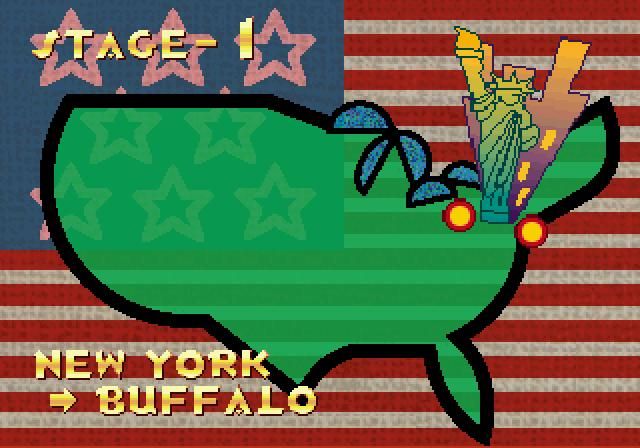
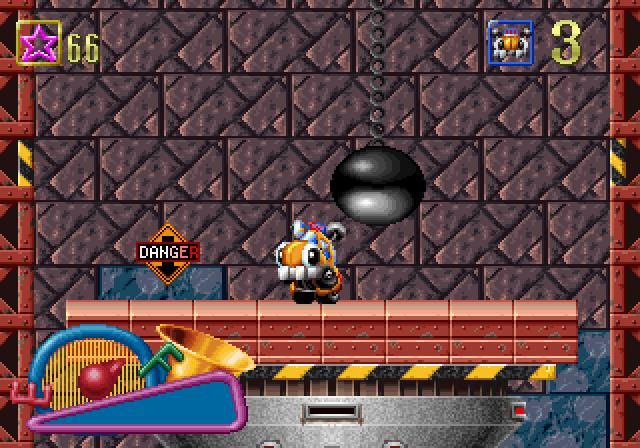
Deppy’s cartoony taxi design gives the game a playful face, and the urban level settings fit an oversized vehicle hero naturally. The side-view format keeps the focus on the road ahead, approaching enemies, and the bits of scenery that may be hiding a breakable wall.

Story
Tryrush Deppy’s character hook is wonderfully straightforward: a lively-looking taxi cab takes center stage in a city-bound platforming adventure. You are not asked to warm up to a grim hero or a complicated setup before the action begins; the vehicle itself is the joke and the mascot.
The journey is told most clearly through movement and opposition. Urban stages put Deppy in motion, enemies interrupt the route, and bosses turn that forward drive into a focused showdown. It is a simple framework, but it suits a game built around maintaining momentum.
The pre-fight weak-point reveal adds a small bit of dramatic setup to each boss encounter. You get a glimpse of what matters before the battle starts, then the fight asks you to make that information count. That makes the bosses feel like purposeful stops on Deppy’s route rather than interchangeable roadblocks.
Overall Experience
Tryrush Deppy looks most appealing when you want a platformer with an immediately readable core but a little more thought than constant jumping. The taxi theme is distinctive, while the Super Dash gives the action a practical edge: it is both your attack against protected enemies and your key to concealed rewards.
Frustration is most likely to come from resource pressure. Spending gas on a dash that turns out not to be necessary could leave you less prepared for the next spiked or flaming foe. But that is also the feature that prevents the action from becoming automatic. As you learn which encounters demand a burst and which can be handled with a stomp, the game’s rhythm should click into place.
The secret walls are a strong reason to slow down now and then, even in a game that encourages speed. You are rewarded for looking at the stage rather than treating it as a straight line from left to right. That combination of forward momentum, selective exploration, and deliberate dash use makes this an easy recommendation for fans of colorful 2D platforming who like their simple controls backed by a useful tactical wrinkle.



Reviews
There are no reviews yet.