 Retro Replay Retro Gaming History, Reviews & Emulation

Retro Replay Review
Gameplay
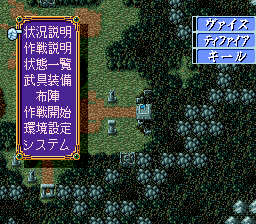
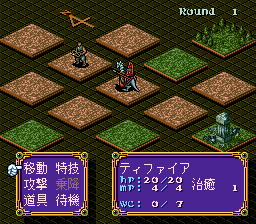
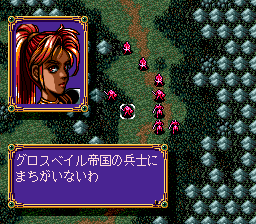
The first stretch has a clean, familiar RPG hook: trouble appears on the road, a new ally enters the picture, and Vaice is pulled into a fight bigger than the initial temple incident. What distinguishes Kisō Louga II is what happens when you meet an enemy. Rather than resolving the encounter in the same view, the game cuts to a separate turn-based battle screen, then asks you to think about where your party members move on an isometric field.
That change gives the sequel a welcome sense of intention. Positioning is now part of the decision-making, so you are not merely selecting actions and watching the exchange play out. You have to consider movement as the fight develops, which makes clashes with enemy organizations feel more like small tactical problems than routine interruptions.
The added experience-point system is equally important. Character growth gives the campaign a stronger long-term pull, especially if you enjoy seeing a party improve as it survives increasingly serious encounters. It is a sensible enhancement to the first game’s formula: battles matter both in the moment and because they feed into your party’s progress.
There is still an old-school rhythm to entering a separate battle whenever contact occurs. If you want seamless exploration or action-heavy combat, that structure may test your patience. But if you like taking a breath, studying an isometric field, and making deliberate turn-by-turn choices, the tactical upgrade is the reason this sequel is worth your time.
Graphics
The battle maps are shown from an isometric viewpoint, making it easier to follow where characters and enemies stand and where movement can change a fight. Outside those confrontations, the game stays rooted in fantasy RPG territory, with Vaice, Tifire, bandits, temples, and an empire framing its anime-leaning adventure.
Story
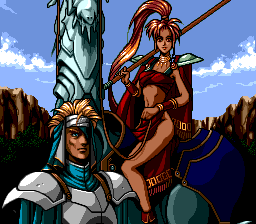
This is a direct sequel, and it wastes little time giving Vaice a reason to get involved. The opening image of bandits desecrating a temple is a solid fantasy provocation, while Tifire’s introduction as another Guardian immediately broadens the sense that Vaice belongs to something larger.
From there, the stakes rise in a traditional but dependable direction. Vaice and his friends earn the anger of a powerful empire and are forced to fight for their lives and for the future of what matters to them. It is not a premise built on ambiguity; it is a heroes-against-an-overwhelming-power setup, delivered with the earnestness that suits this kind of fantasy RPG.
The story will land best if you are happy to continue Vaice’s journey rather than arrive looking for a detached, stand-alone tale. The direct-sequel status matters here: the game is clearly interested in extending an existing conflict and cast, while using Tifire and the imperial threat to push the group into a larger struggle.
Overall Experience
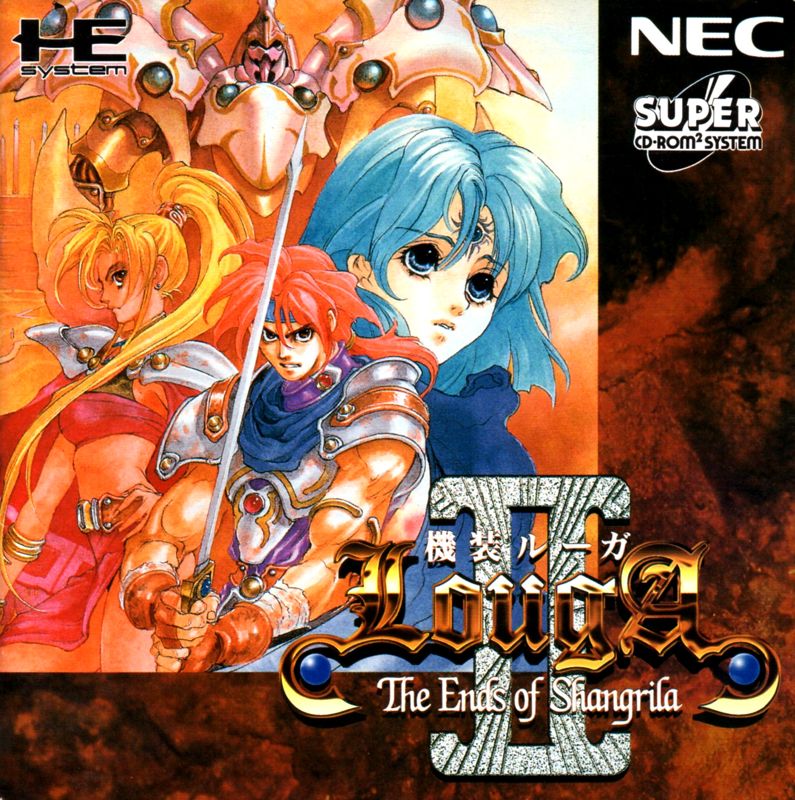
Kisō Louga II: The Ends of Shangrila is the sort of sequel that earns its existence by strengthening the part of the original formula most likely to hold your attention: combat. The shift to isometric, movement-based tactical battles gives the turn-based encounters more texture, and the experience system gives every hard-won victory a useful aftereffect.
Its frustrations are largely the trade-off inherent in its structure. Encounters interrupt exploration and move into their own battle spaces, so the game asks for patience and a willingness to engage with frequent tactical detours. If that cadence sounds inviting rather than cumbersome, you will find a more thoughtful RPG than its basic fantasy setup first suggests.
Give it a chance if you enjoy older fantasy role-playing games that let party growth and careful positioning carry the adventure. The story supplies a clear heroic throughline, but the payoff is in watching the tactical side click: once movement becomes part of every turn, the sequel feels like a meaningful step forward rather than just more of the same.


Reviews
There are no reviews yet.