 Retro Replay Retro Replay gaming reviews, news, emulation, geek stuff and more!
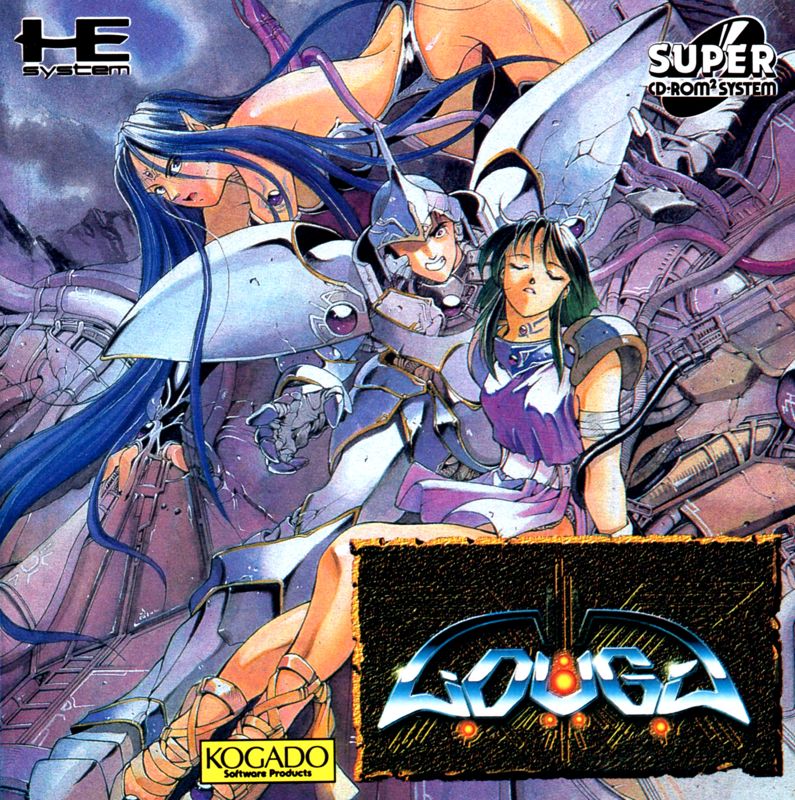


Retro Replay Review
Gameplay
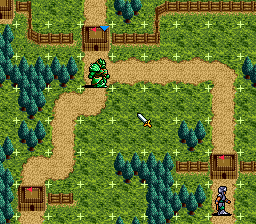
The first hour makes Kisō Louga’s priorities clear: this is a battle game, not a wandering adventure with occasional fights. You move individual characters around overhead locations, and enemy contact shifts the action into a separate command-menu battle. Attack, items, and specials give each encounter a familiar RPG-like rhythm, but the larger map is where your decisions matter. Positioning, who you expose, and when you commit to an enemy line all carry more weight than merely picking the strongest-looking command.
Castles are the hook that keeps the missions from becoming a string of ordinary skirmishes. A player-controlled castle lets injured characters retreat and heal, which creates a useful fallback point when a push goes badly. Enemy castles demand the opposite mindset: their gates must be attacked and destroyed, while arches and catapults can defend the approach. That turns many objectives into sieges, and a reckless charge can leave your group battered before it reaches the real target.
Multiple factions in a single mission add welcome pressure. You are not always solving a neat one-army-versus-one-army puzzle; the field can become a broader conflict where timing and the changing distribution of forces matter. Still, the game asks you to enjoy combat for its own sake. There is equipment management and individual statistics, but no leveling or other lasting character growth. If you come in expecting a strategy RPG power curve, that limitation will start to grate.
Graphics
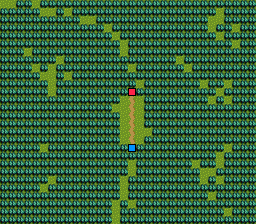
The game shifts between overhead battlefield views and separate battle screens, making the divide between maneuvering and direct clashes easy to understand. Anime-style cutscenes carry the story between missions, fitting the dramatic fantasy conflict around Erena, Vaice, and the Hielun Empire.

Story
Kisō Louga begins with a solid fantasy-war setup: a demon rises from a sacred temple, Erena is persecuted because of her suspected link to its power, and Vaice’s rescue party is pulled into a larger armed conflict. It gives the fighting a clear human center rather than treating every map as an isolated exercise.
The Hielun Empire’s interest in Erena supplies the immediate threat, while the demon connection leaves room for the conflict to feel bigger than a simple rescue. The story advances through anime cutscenes between battles, so you receive it in concentrated breaks rather than through exploration or extended downtime.
That structure works if you want a campaign that keeps moving. The narrative is there to propel the next confrontation, and the escalating war suits a game built entirely around missions. Anyone hoping for a more expansive role-playing journey may find the frequent return to combat restrictive.
Overall Experience
Kisō Louga has a pleasingly specific tactical idea at its center: castles are not just map decorations, but healing shelters, fortified targets, and sources of defensive pressure. When a mission makes you balance a retreat to safety against a dangerous assault on an enemy gate, the game has real strategic tension.
Its narrow focus is also its biggest dividing line. There are no role-playing progression systems to smooth out tough stretches or give you the satisfaction of steadily building a stronger party. Your reward is learning how to handle the current battle better, not watching numbers climb after it.
Give it a chance if you enjoy older turn-based strategy that commits to a combat-only campaign and want a fantasy war story delivered in anime interludes. Skip it if equipment menus without leveling sound like a tease, or if you need exploration and character growth between your tactical battles. The castle-centered objectives make this more memorable than a basic sequence of menu fights, even if its rigid structure limits the payoff.


Reviews
There are no reviews yet.