 Retro Replay Retro Gaming History, Reviews & Emulation
Retro Replay Review
Gameplay
Solid Force starts by asking you to think before you act. Sho Masaki’s first assignment sends him into an East African base, but the immediate pull is less about the briefing than the pressure of moving a small force through a large tactical fight without losing the hero who keeps the mission alive. One careless advance can turn a manageable firefight into a restart-worthy mess, and that tension gives the opening battles real bite.
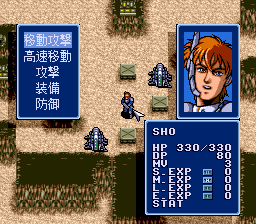
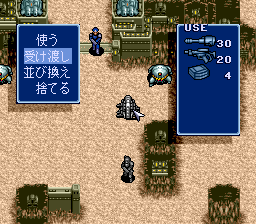
The weapon handling is where the game earns its name as a tactics game rather than a simple turn-based shootout. Most attacks are ranged, but firearms are not all used in the same way: you can pick full or spreading attacks, while bombs and special abilities offer more dramatic options. Since ammunition is limited and weapons must be equipped manually, you cannot lazily fire whatever seems strongest. You have to decide what each unit should carry and when a valuable shot is worth spending.
Friendly fire makes the bigger attacks especially satisfying and aggravating in equal measure. Area damage can clear a dangerous cluster, but it can also hammer your own characters if you have crowded the same space. That is the kind of rule that punishes impatience, yet it also makes a clean explosive play feel earned. If you enjoy games that make positioning matter as much as damage numbers, Solid Force has a sharp tactical edge.
The robot-like machines add another decision to the battlefield. You can control them yourself or leave them on auto mode, which lets you choose between direct oversight and accepting a little uncertainty. The game is most rewarding when you take command of the moving parts rather than rushing the objective. It will frustrate anyone looking for fast, consequence-free action, but deliberate strategy fans should appreciate how often a turn asks for a real judgment call.
Graphics
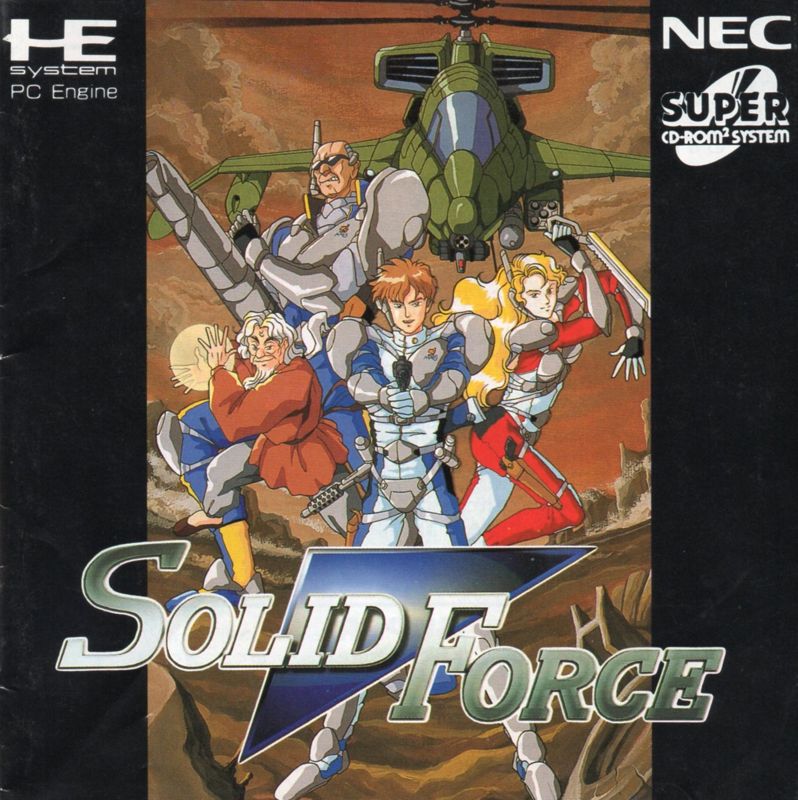
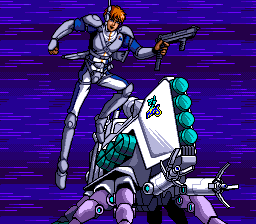
Solid Force uses a top-down tactical view for its battles, letting you watch combatants move across the field and line up ranged attacks. Its anime and sci-fi styling also fits Sho’s agent role, the classified military missions, and the presence of controllable robot-like machines.
Story
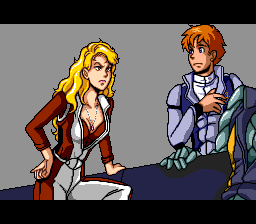
You play as Sho Masaki, an agent of Mars, a group of highly trained operatives assigned to classified work for different countries. That setup is direct and useful: Sho is not wandering into the conflict by accident, and each mission has the built-in urgency of a professional operation where failure matters.
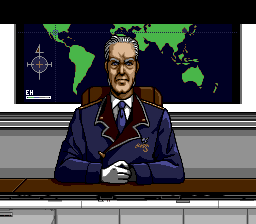
The opening job, infiltrating a base in East Africa for the African Federation, gives the campaign a grounded military objective beneath its futuristic elements. It is not a sprawling premise overloaded with lore; it is a clean excuse to put a trained operative into hostile territory and make survival part of the assignment.
The story’s practical role is to frame the missions and put weight on keeping Sho alive. Because he is the main hero and losing him means failure, the narrative premise feeds directly into your tactical behavior. You protect him not merely because the rules demand it, but because he is the agent carrying Mars’s operation forward.
Overall Experience
Solid Force is at its best when a seemingly obvious attack turns into a risk assessment. Limited ammunition, manual equipment choices, different firing patterns, and area attacks that hurt friend and foe all push you toward careful play. The first hour can feel unforgiving if you are used to charging ahead, but the systems start to click once you begin treating every action as part of a larger plan.
There is a pleasing severity to its battles. The game does not let powerful tools erase the need for judgment; bombs and wide attacks can save a bad situation, but poor placement makes them dangerous. That makes success feel less like luck and more like the result of correctly reading the field, preparing the right weapon, and keeping Sho out of disaster.
Give Solid Force a chance if you want a science-fiction turn-based tactics game that values patience over momentum. Its payoff is the satisfaction of turning a tight, hazardous battlefield into a solved problem. If manual loadout management and punishing friendly fire sound more tiring than exciting, though, this is likely to feel like work rather than strategy.


Reviews
There are no reviews yet.