 Retro Replay Retro Gaming History, Reviews & Emulation
Retro Replay Review
Gameplay
Yang’s Tale is a compact Final Fantasy IV: The After Years chapter built around a direct rescue-and-discovery journey. Ursula leaves Fabul to investigate the fallen star at Mount Hobbs, and Yang heads after her. That simple setup gives the adventure momentum right away: you are not waiting long for a grand mystery to explain itself, because the personal stakes are already clear.
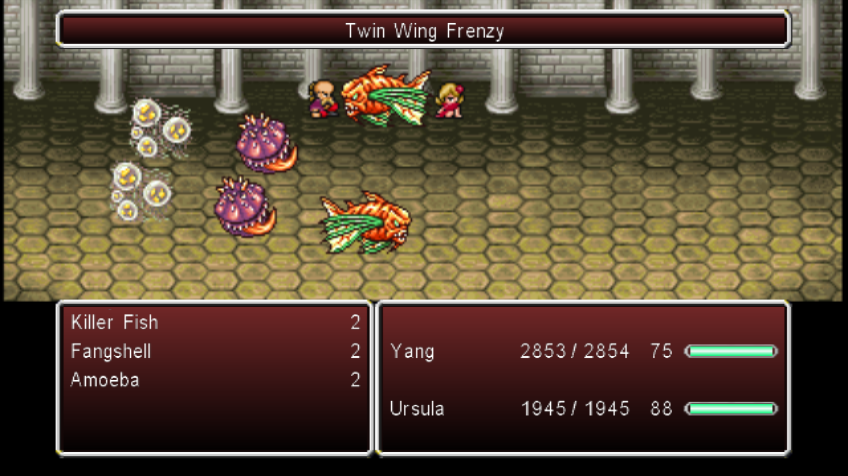
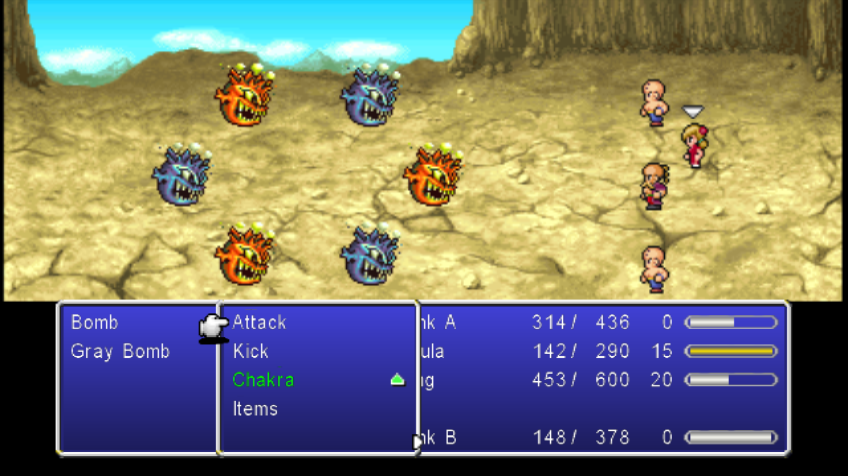
The chapter uses The After Years’ Band abilities and moon-phase changes, so it feels connected to the wider game rather than like a detached bonus episode. Bands are the draw here if you enjoy arranging a party around cooperative attacks, while the moon phases add another layer to consider as you fight. It is familiar territory for anyone already playing The After Years, and a sensible reason to tackle Yang’s tale as part of that larger run rather than in isolation.
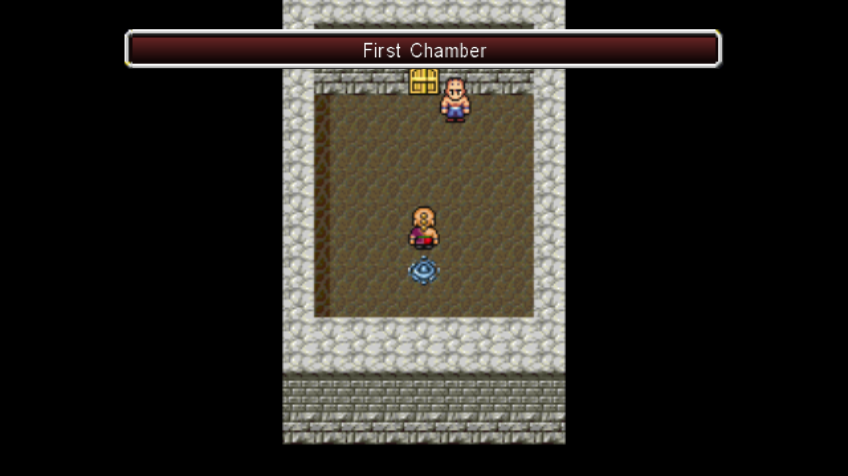
After the story, the Challenge dungeon offers a more demanding extra. Its layout is deliberately plain—straightforward corridors, increasingly difficult enemies, and a variable treasure reward at the end—so it will not win over anyone craving exploration. It is for the player who wants to test a prepared party and chase a payoff, not for someone hoping for another narrative-rich dungeon.
The practical reward for completion is significant: Yang’s characters, equipment, items, and characteristics can be exported into The Crystals. That makes the chapter more than a pleasant detour if you intend to see the final tale through. If you only want the essential route through The After Years, though, you can safely skip it.

Graphics
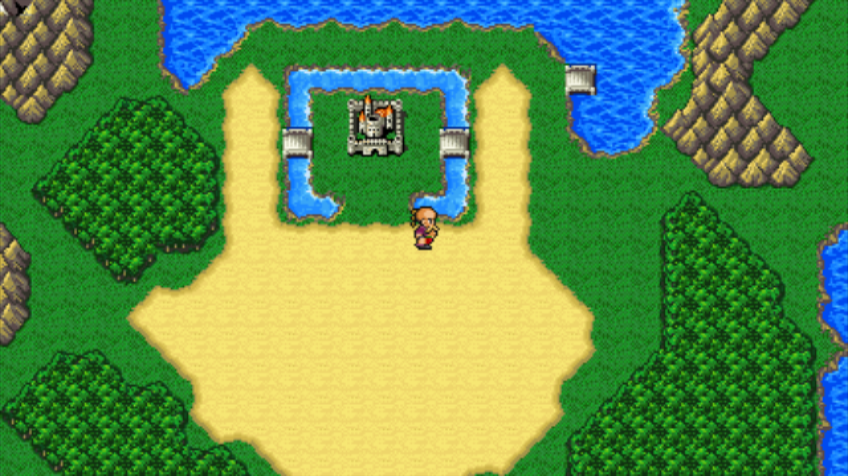
The chapter’s journey moves between Fabul’s castle and Mount Hobbs, keeping the locations tied closely to its family conflict rather than sending Yang on a sprawling tour. The fallen star gives the trip to the mountain a clear focal point, while the return to Fabul keeps the story rooted in Yang’s responsibilities as its ruler.
Story
This tale succeeds on the strength of Yang and Ursula’s disagreement. Ursula wants to train as a monk, while Yang sees danger and insists that the princess does not need that life. It is a familiar parent-child conflict, but one that fits Yang particularly well: his instinct to protect clashes with the fact that Ursula wants to define herself through the same discipline that shaped him.
Ursula running away is the turning point, and Yang’s rescue mission is not merely an excuse for a dungeon crawl. His pursuit forces him to confront the possibility that his daughter has already developed the resolve he has been refusing to acknowledge. The story’s strongest idea is that standing up for yourself is not the same thing as rejecting your family.
The events eventually connect back to the main game and other optional tales, which gives this small chapter a useful place in the larger After Years structure. Its real payoff is still personal, though. You should play it for Yang and Ursula’s relationship first, with the wider continuity as a welcome bonus.
Overall Experience
Yang’s Tale is a good optional chapter because it knows exactly whose story it is telling. It does not need to carry the whole Final Fantasy IV legacy; it just needs to make Yang’s overprotectiveness feel human and Ursula’s determination feel earned. On that front, it has a satisfying emotional center.
The limits are equally clear. This is not required to finish The After Years, and the Challenge dungeon’s straight corridors can become a grind if you are not invested in tougher fights and a variable treasure reward. The chapter is at its best when you treat it as a concise character episode with a useful carryover benefit, not as a major new campaign.
If you are working toward The Crystals, it is an easy recommendation. If you are choosing which optional tale to play for its cast, Yang and Ursula offer one of the more grounded family conflicts in the series. For another side-story perspective, Rydia’s Tale is also worth considering.


Reviews
There are no reviews yet.