 Retro Replay Retro Gaming History, Reviews & Emulation
Retro Replay Review
Gameplay
Apox is most interesting when you stop treating its troops as generic RTS pieces. Weapon and ammo drops, plus a two-weapon loadout, pull your attention toward what individual soldiers are carrying. That shooter-inspired layer gives battles a more immediate, scrappy feel than simply harvesting resources and producing the usual units.
The standout idea is loading soldiers into vehicles. Their weapons dynamically determine what sort of vehicle you end up with, which makes transport and army composition part of the same decision. You are not just moving a vehicle to the front; you are deciding what role it will serve once it gets there. That is a strong hook, especially if you like experimenting instead of settling into one fixed build.
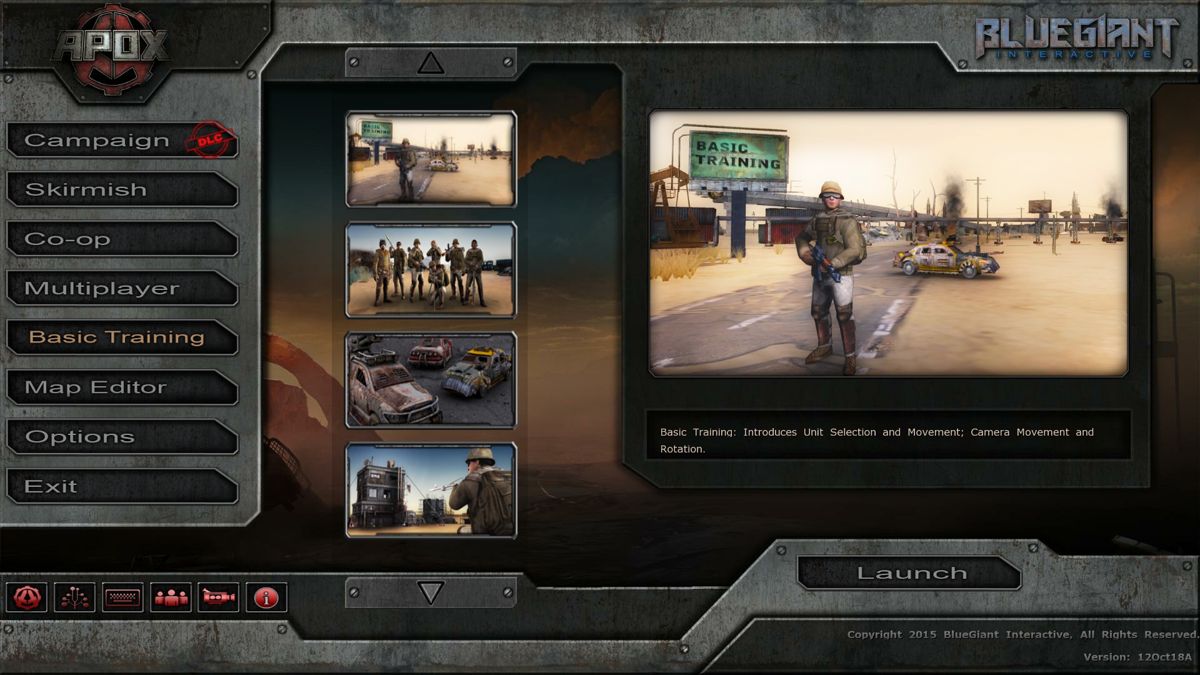
The opening stretch is largely defined by the eight tutorials, and you should take them seriously. Apox combines enough moving parts that rushing straight into competitive matches is likely to be frustrating. Once the relationship between resources, equipment, soldiers, and vehicles clicks, the game’s central idea has real tactical promise.
Its priorities remain clear, though: this is primarily an online multiplayer RTS, not a solo strategy campaign dressed up with multiplayer. The 100 scrimmage maps give you room to play against AI or online opponents, but the lasting draw comes from testing your decisions against another person. If you need a guided single-player arc to stay invested, that limitation will hit early.
Graphics
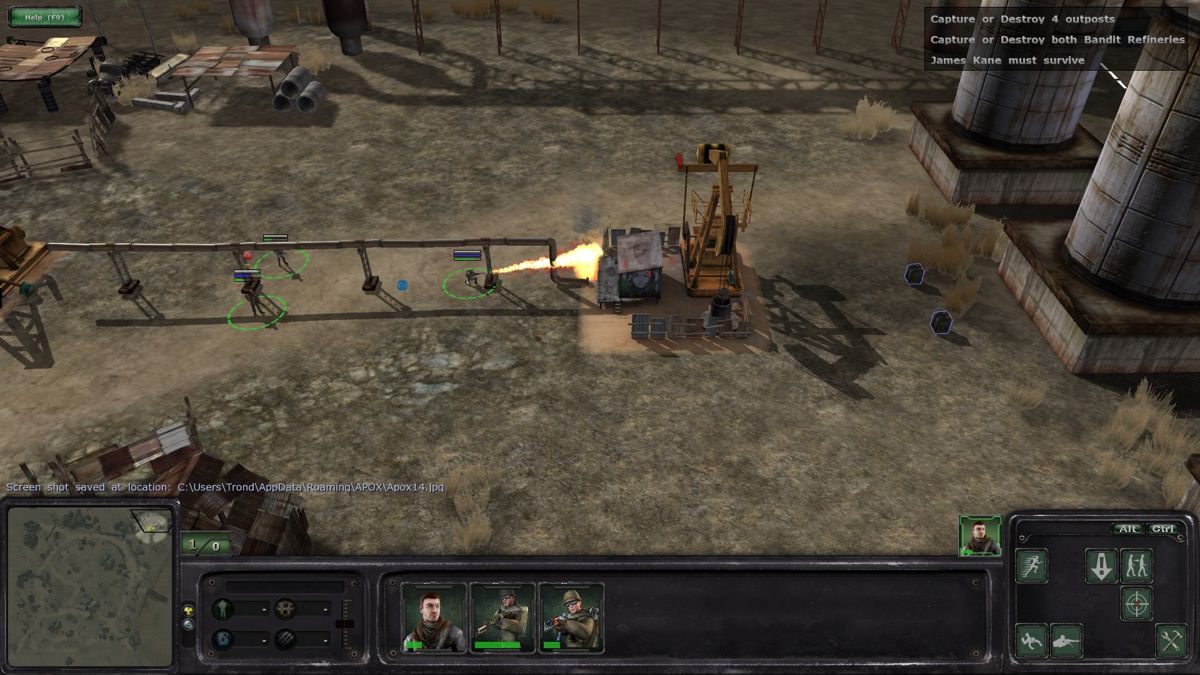
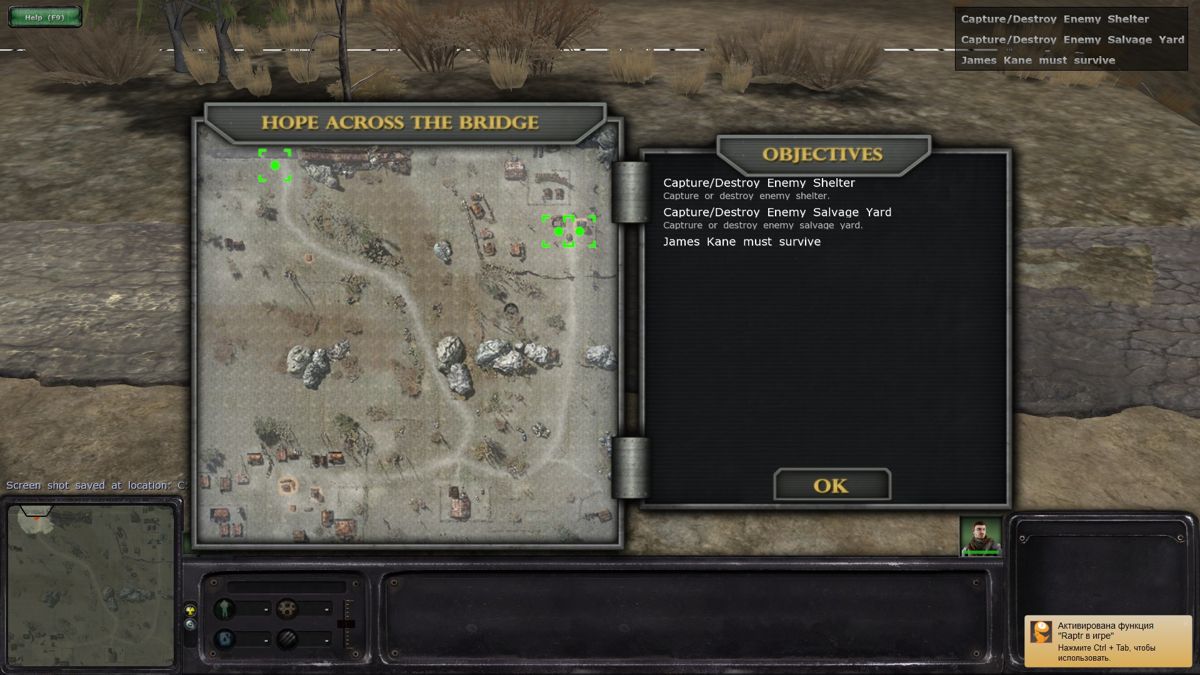
Apox uses a diagonal-down strategy view with a free camera, putting soldiers and vehicles at the center of the battlefield view. That perspective suits a game where you need to monitor both unit positioning and the changing makeup of your vehicle force.
Story
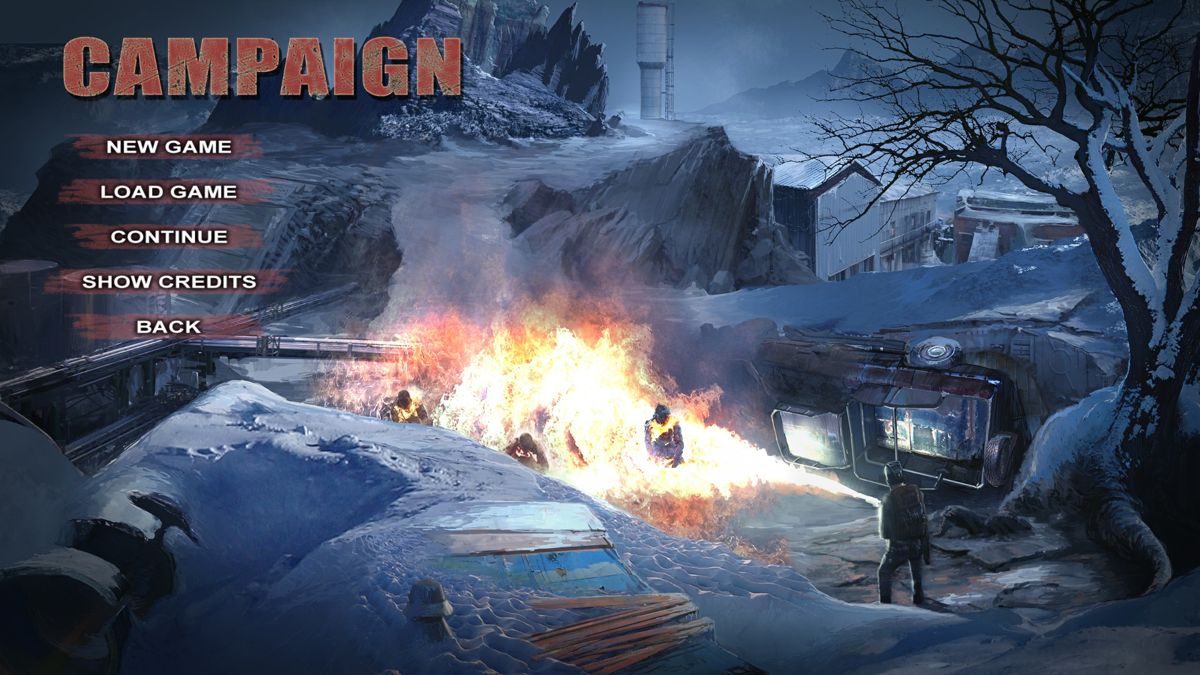
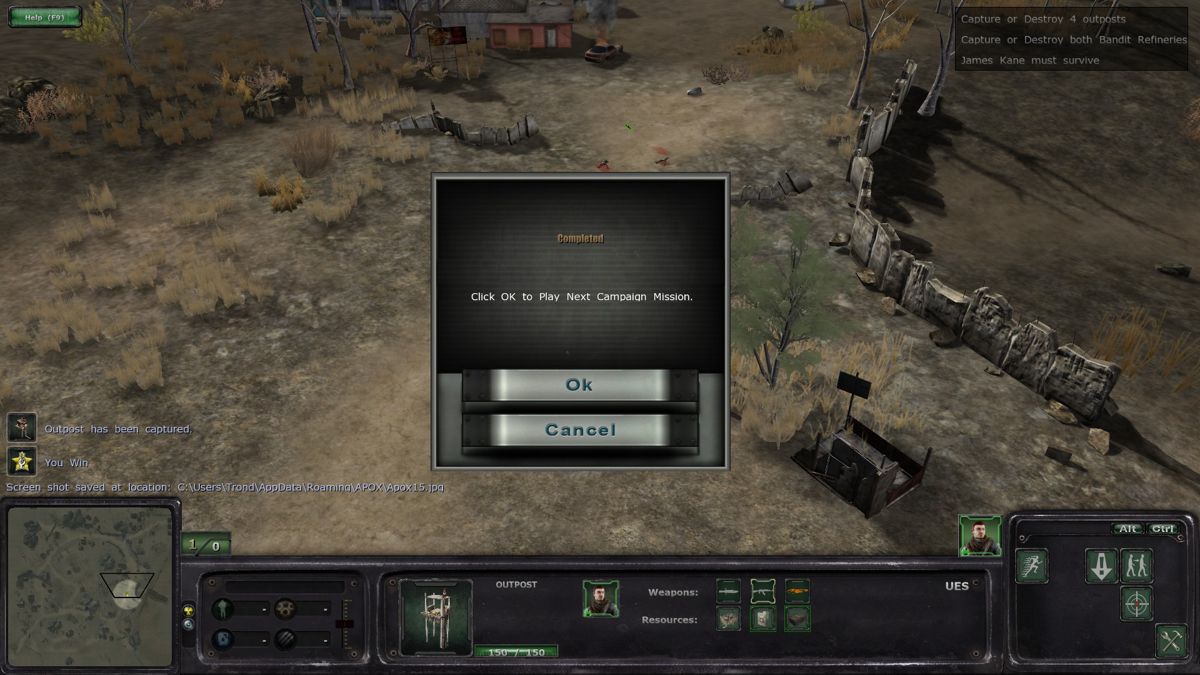
There is no single-player campaign, so Apox does not build toward a traditional war story or character-driven payoff. Its post-apocalyptic framing is a backdrop for multiplayer battles rather than a narrative you steadily uncover.
The tutorials introduce play rather than serving as a story mode. That is useful for learning the systems, but it means the game asks you to supply your own reasons to care through competition, experimentation, and rematches.
This makes Apox a poor fit if you came looking for cutscenes, missions with a developing plot, or a final campaign resolution. Come for the tactical friction of multiplayer matches and scrimmages; the story side will not carry the experience.
Overall Experience
Apox has a genuinely good central twist: soldiers’ weapons matter not only on foot, but also when those soldiers enter vehicles. That one idea gives the RTS structure a welcome sense of improvisation, and the shooter-style equipment layer helps distinguish it from a more routine resource-and-unit contest.
It also asks for the right mindset. You need to be comfortable learning through tutorials, AI scrimmages, and online play rather than being led through a campaign. The map count gives you plenty of places to practice, but practice is not the same thing as authored single-player content.
A 6.2 feels fair. There is enough smart design here to recommend it to RTS fans who enjoy loadout experimentation and multiplayer competition, especially if the thought of building different vehicle roles from your soldiers sounds exciting. For everyone else, the lack of a campaign makes the package harder to embrace, even when its best tactical ideas are clicking.


Reviews
There are no reviews yet.