 Retro Replay Retro Gaming History, Reviews & Emulation

Retro Replay Review
Gameplay
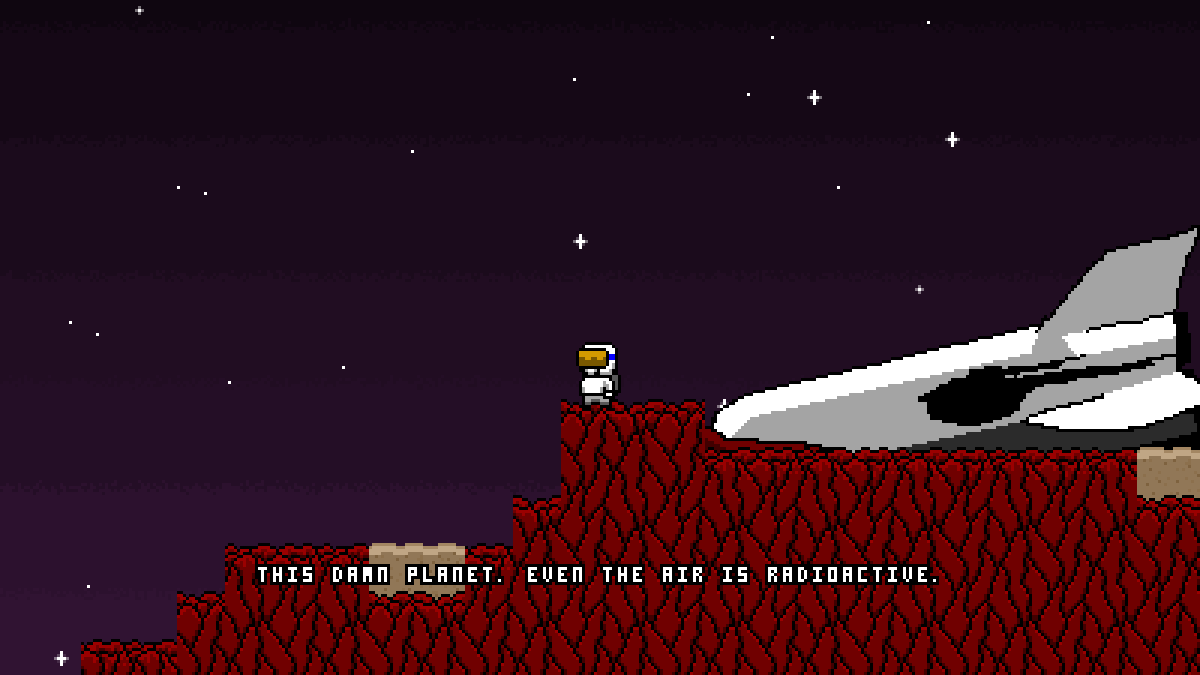
Beacon gets to its point quickly. You are alone on an uninhabited planet with radioactive air, a broken shuttle, and no rescue coming, so the first few minutes have a strong forward pull: move through the terrain, inspect what you find, and work out what this place is hiding. It is an exploration platformer with a very short runway, and that focus helps. Rather than loading you up with systems, it asks you to make progress through movement and curiosity.
The core move is a regular jump followed by a brief mid-air jetpack boost. It sounds like a familiar double jump, but the boost is short enough that timing matters constantly. Reaching platforms asks for deliberate takeoffs and a well-timed second tap rather than casual button mashing. The boost also softens a fall, which matters because the astronaut cannot simply survive a big drop and carry on. Once that rhythm clicks, each successful crossing feels earned.
That same precision is where frustration can creep in. A platforming sequence can demand careful airborne timing, and later hazards add more pressure without turning the game into a shooter. Fortunately, death returns you to an automatically saved checkpoint, so failure is usually a quick correction instead of a major setback. The game’s roughly fifteen-minute length also works in its favor: it delivers its ideas before repeated attempts have much chance to wear them out.
Graphics
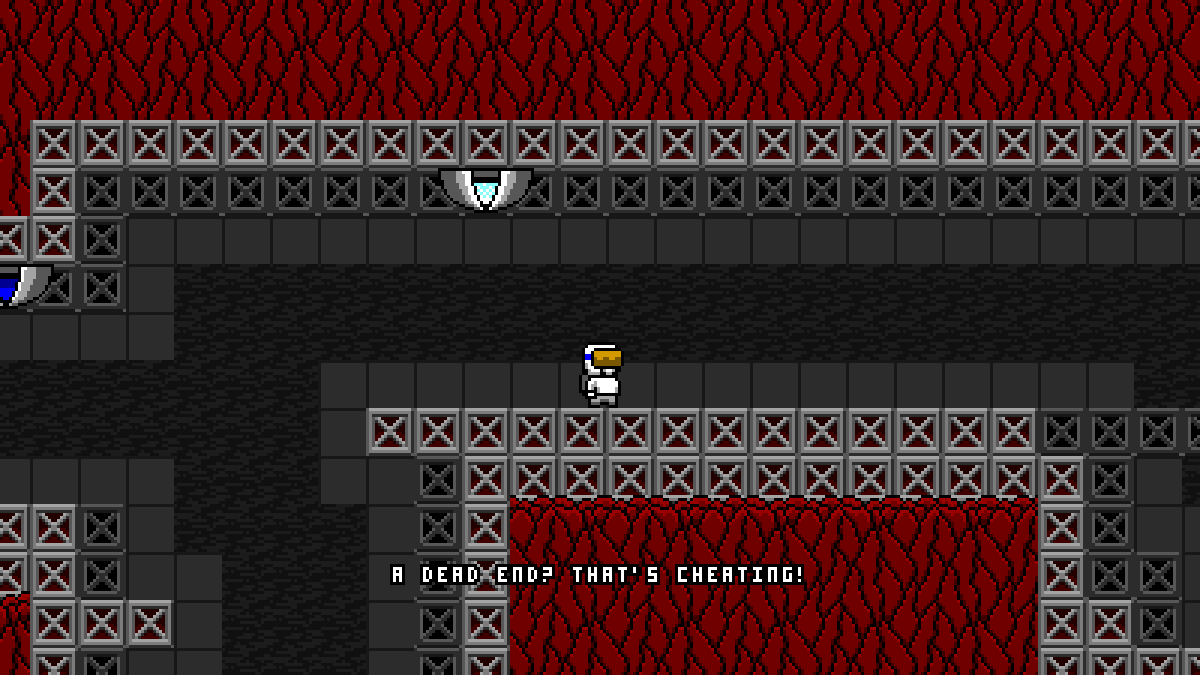
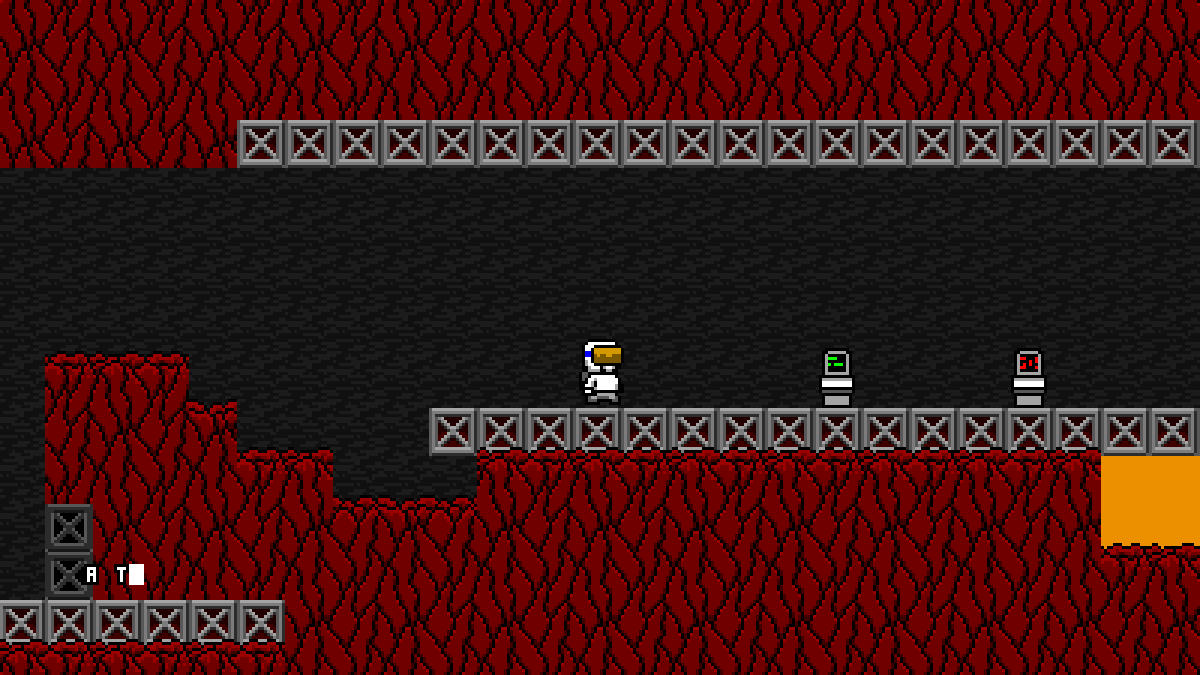
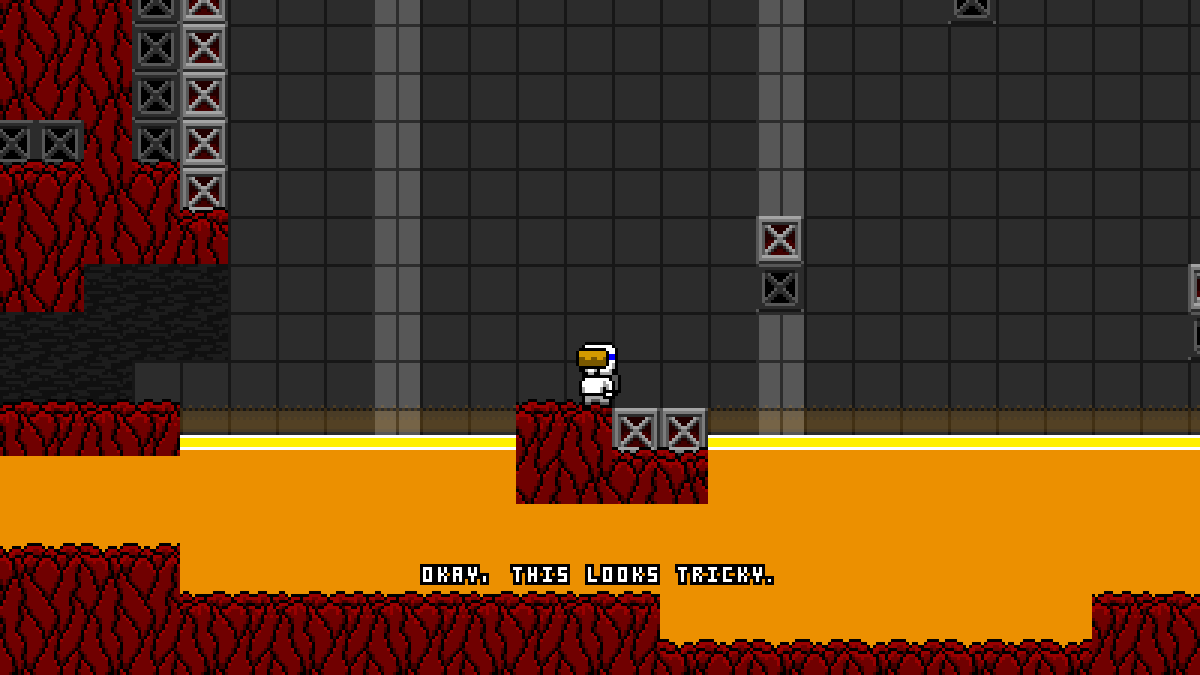
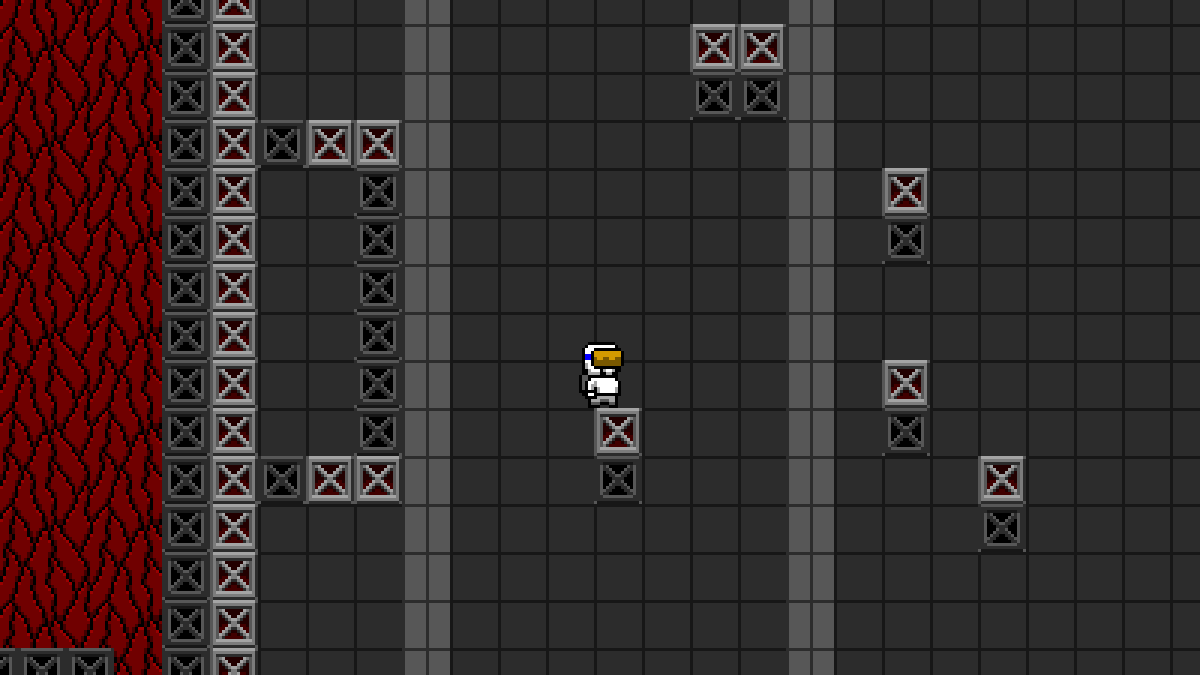
The game is a 2D side-view platformer centered on an astronaut moving through an uninhabited alien environment. Its screen space is used for routes, ledges, hazards, and objects worth examining, keeping the platforming path easy to understand while you line up jumps.
Story
The premise does a lot with very little: a crash, poisonous air, a damaged rocket, and Sandy’s death leave your astronaut completely isolated. That immediate situation gives even a small environmental detour some tension. You are not exploring because a map demands collectibles; you are looking for a solution when there is plainly nobody else who can provide one.
Object examinations and consoles carry the narrative forward alongside the platforming. The planet gradually reveals unknown secrets, giving the journey a mystery beyond the immediate task of escaping. It is a modest story frame, but it is well matched to the game’s brief format. You are not asked to absorb a sprawling plot before the game starts moving.
The strongest part of the writing setup is its restraint. The circumstances are clear, the stakes are personal, and the discoveries are allowed to emerge as you travel. For a short competition-built game, that is enough to make the final stretch feel like more than a sequence of jumps.
Overall Experience
Beacon is a small game with a clean, confident shape. It pairs a stranded-astronaut mystery with platforming that asks for real accuracy, then ends before either half is stretched thin. The result is not a deep action game, but it does not need to be; it is a focused challenge with a reason to keep moving right.
Give it a try if you like concise platformers where a double jump has to be treated with care, and where exploration means paying attention to the world rather than clearing enemies. The lack of shooting keeps the emphasis squarely on traversal, hazards, and investigation. You should expect a few missed jumps, but the checkpointing makes those misses manageable.
The payoff is worth it if you want a complete sci-fi detour in a single sitting. Its platforming can be exacting, and its short length leaves little room for leisurely wandering, yet that economy is part of why it works. Beacon leaves you with a compact arc of isolation, discovery, and escape instead of asking you to invest dozens of hours.


Reviews
There are no reviews yet.