 Retro Replay Retro Gaming History, Reviews & Emulation
Retro Replay Review
Gameplay
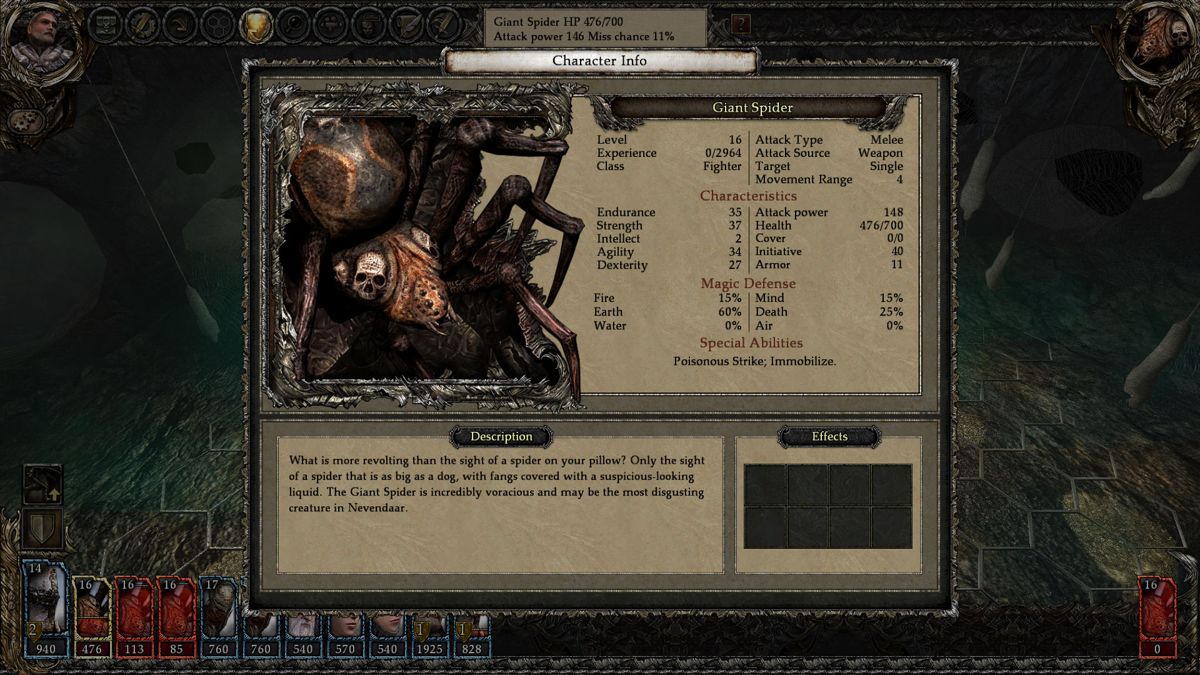
The first hour has a solid, old-school strategy pull. You send a main hero across the map with a small party rather than a faceless army, and that scale makes individual unit experience matter. Every level gained feels tied to a particular survivor you have kept alive, while a customizable faction-specific hero gives your side more personality than a generic commander would.
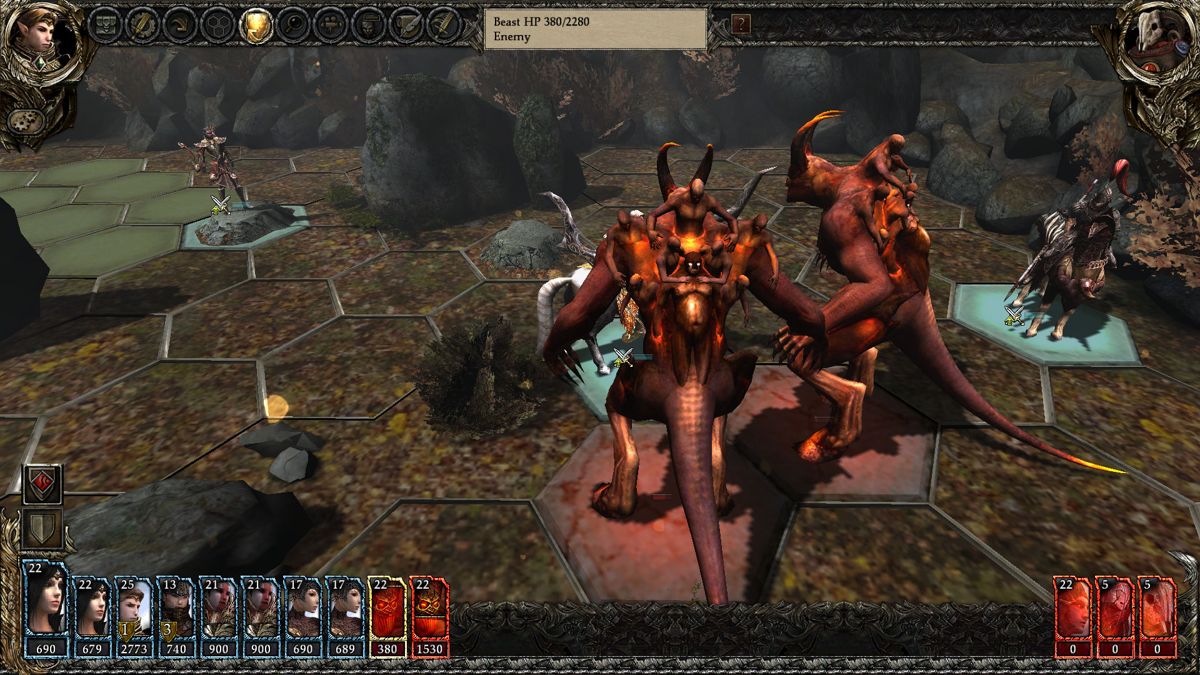
The move to units that can reposition during battle is the right kind of change. Earlier Disciples combat was more fixed, whereas Renaissance lets positioning become part of the decision-making. It moves the game a little closer to Heroes of Might and Magic without losing the series’ focus on intimate squads and developing units. Combat spells can also be cast from the adventure map, so planning does not begin only after the battle screen appears.
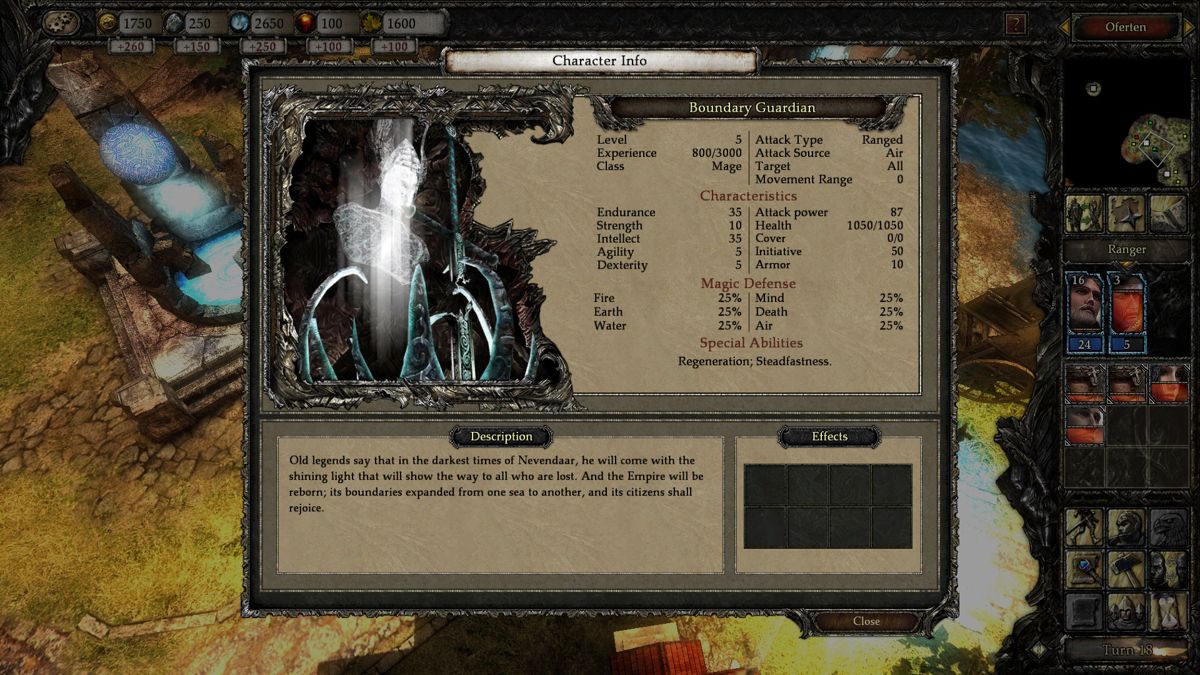
Its structure is more particular than a straightforward land-grab strategy game. Your established capital has an extremely powerful guardian, while other castles and leaders play a secondary role. Guardians spread across the map grow stronger with time and with faction control, which gives territorial progress real weight. The new Wizard, Warrior, Scout, and Thief leaders add options, and carrying leaders from scenario to scenario makes campaign decisions feel less disposable.
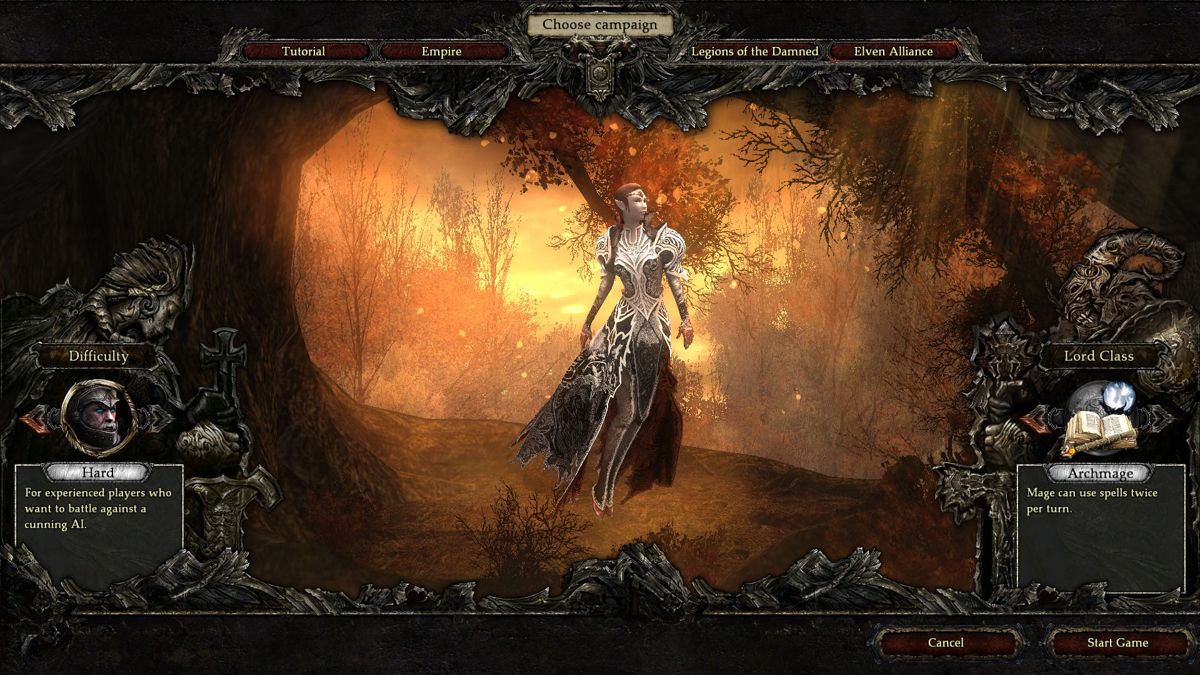
Frustration can set in if you wanted a broad faction roster or robust multiplayer. Renaissance uses only the Empire, Legions of the Damned, and Elven Alliance, leaving out two races that had appeared since Disciples II: Rise of the Elves. Skirmish and hot-seat multiplayer are here, but there is no LAN or online play. This is a campaign-focused strategy game first; judge it on that basis.
Graphics
Nevendaar trades the earlier games’ look for a full 3D engine, but it keeps the series’ dark, gritty fantasy art style. The world is still a beautiful place being torn apart by war, which suits the armies of humans, demons, and elves better than a bright, storybook approach would.
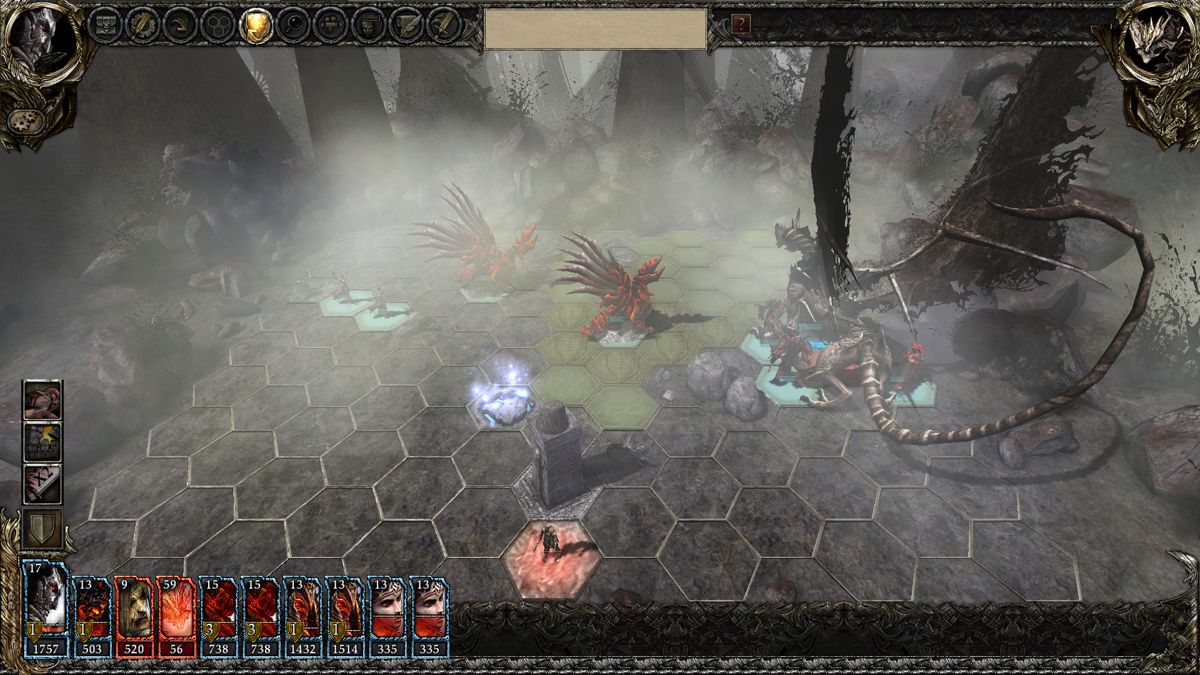
The freedom for units to move around the battlefield also gives fights a more active physical shape than the older static encounters. It is a meaningful visual change because you can see maneuvering become part of the fight.
Story
The campaign has a strong hook: a star falls from the sky and brings Inoel, an angelic messenger whose mission is unclear. Each race wants to find and use her, immediately putting the central mystery at the center of a larger war.
That war is not merely a dispute between fantasy kingdoms. The gods created these races and use them in their own revenge against one another, giving Nevendaar its bleak, fatalistic edge. It is a fitting frame for a Disciples game, where even grand causes tend to feel compromised by darker forces.
Inoel’s journey alongside the different races provides the campaign with a through-line as she discovers the world and grows attached to its inhabitants. The story works best if you enjoy fantasy that treats its beauty as something constantly threatened rather than something safely idyllic.
Overall Experience
Renaissance is an uneven sequel with a genuinely worthwhile tactical upgrade at its core. Moving units in battle, persistent leaders, leveling parties, and map-based spellcasting give you plenty to think about from turn to turn. When those systems click, the game feels like it is trying to evolve Disciples rather than simply repeat it.
The trade-off is hard to ignore: fewer playable races than the series had previously offered, and multiplayer limited to skirmish and hot seat. That makes this a narrower package than its big fantasy conflict might imply. If variety of factions or online competition is your priority, the limitations will remain noticeable.
Give it a chance if you enjoy deliberate turn-based campaigns, small parties whose survival matters, and grim fantasy worlds with a strong sense of history. It does not fully turn its promising changes into an essential strategy classic, but it has enough of the old Disciples soul—and enough fresh combat thinking—to make the journey through Nevendaar worthwhile for the right gamer.



Reviews
There are no reviews yet.