 Retro Replay Retro Gaming History, Reviews & Emulation


Retro Replay Review
Gameplay
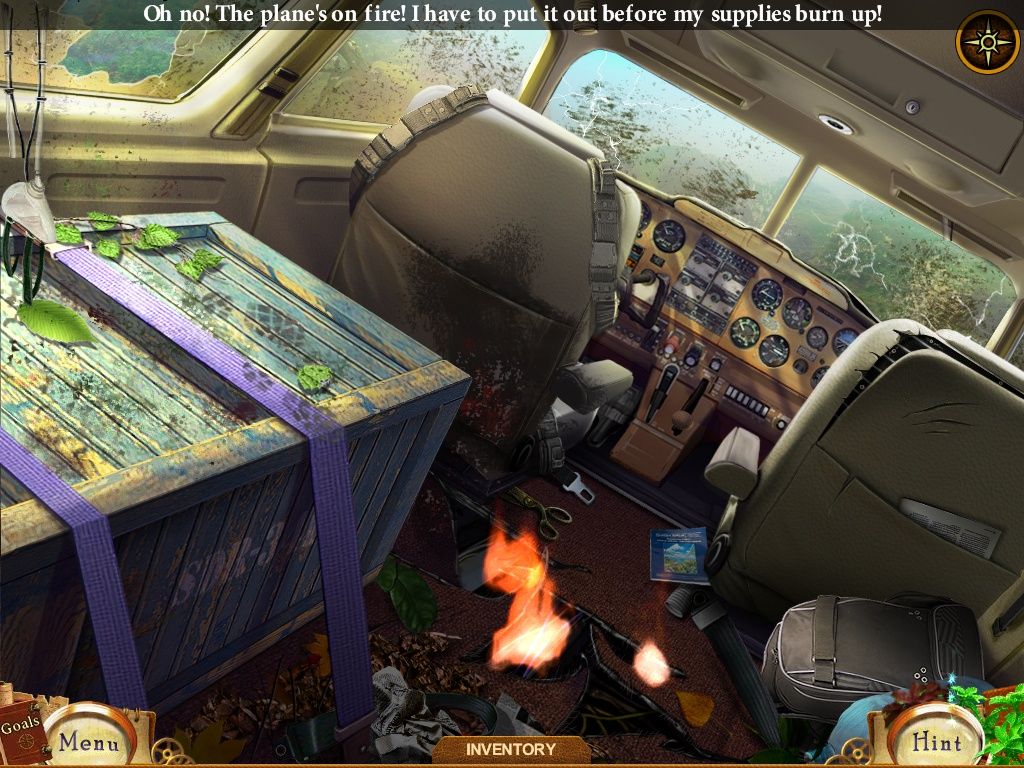
The first stretch has a clean, immediate hook. Kate needs to carry an idol to the people who once saved her grandfather, but a plane failure leaves her stranded before she can reach them. That gives every scavenged tool a straightforward purpose: you are trying to turn an inhospitable route into a path forward, one sensible interaction at a time.
The core loop is traditional point-and-click adventuring. You gather inventory items, then drag them from the bottom tray onto the part of a location where they logically belong. The tray stays tucked away until you move the cursor down to it, which is a small but welcome touch when you are examining a scene. Progress depends on noticing usable spots and making practical connections between the tools you have and the obstacles in front of you.
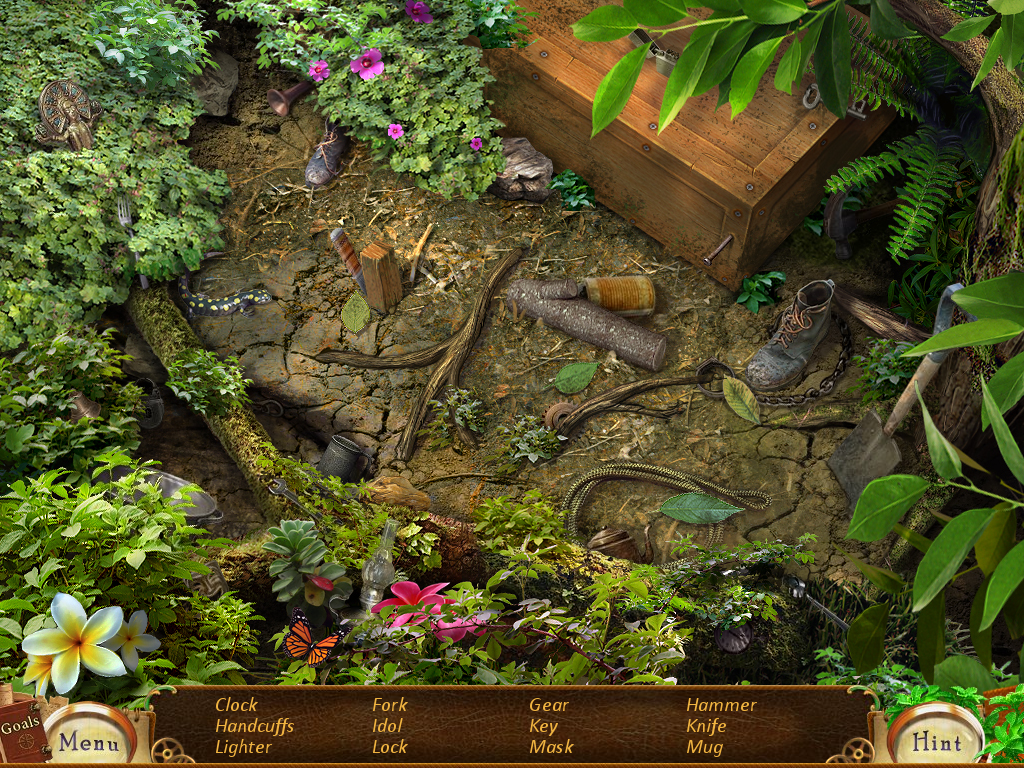
Hidden-object scenes arrive through sparkling areas in the environment. They pull you onto a separate screen with a list of items to find, then reward completion with another inventory object. The rechargeable hint is helpful when one last object has blended into the clutter, though it does not let you bypass the searching altogether. That makes these sequences a decent breather for hidden-object regulars, but they can interrupt the adventure flow if you would rather solve every obstacle through inventory logic.
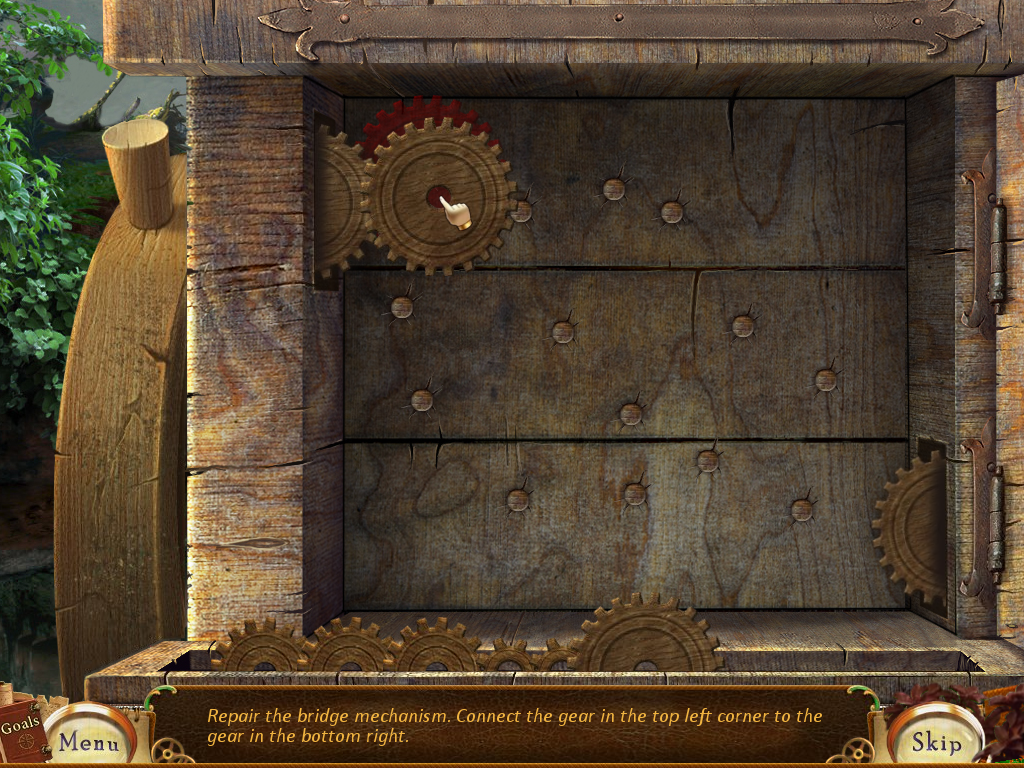
Mini-games add variety without changing the basic pace. You may be opening a safe, arranging gears, or putting a jigsaw back together. None of that suggests a radical reinvention of the genre, and that is fine: Deserted Wood works best when you treat it as a dependable chain of compact puzzles rather than a game chasing grand complexity.
Graphics
You view the journey through static point-and-click locations, with sparkling hotspots marking where hidden-object searches can be entered. Those searches shift to dedicated item-hunt screens, while the inventory strip slides up from the bottom when needed. It is a functional layout that keeps the cursor work uncomplicated.
Story
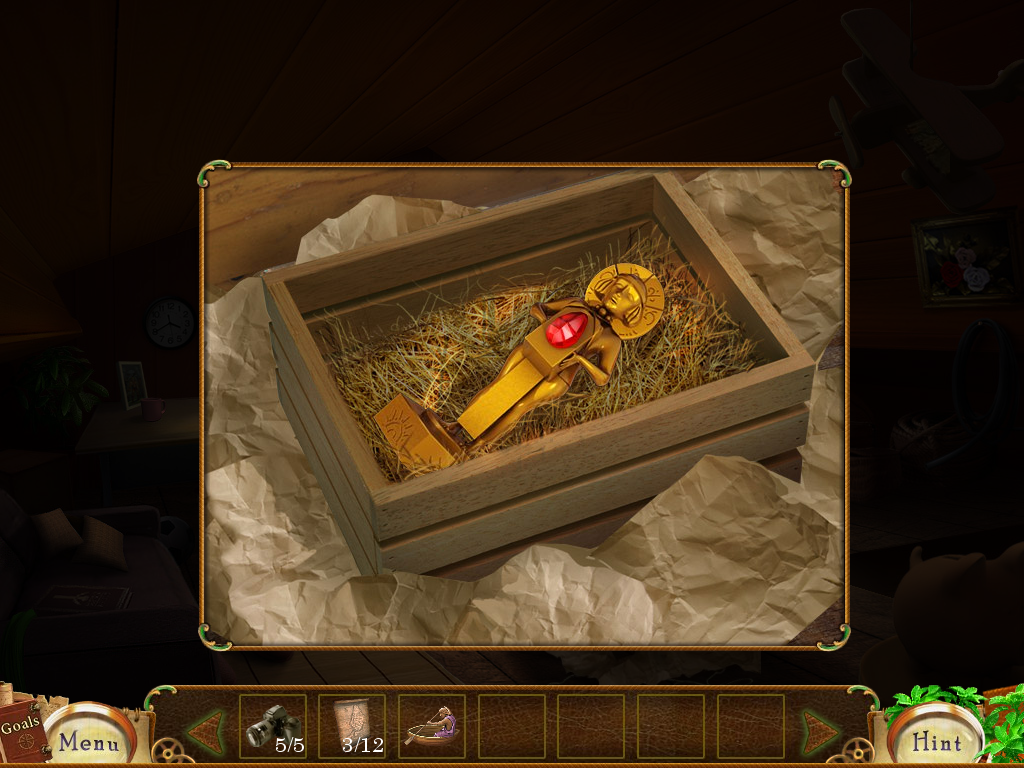
The story has the kind of adventure serial setup that is easy to settle into: an explorer grandfather, a promise owed to a friendly tribe, a lost idol, an ancient map, and a sudden stranding in the wilderness. It gives Kate a personal reason to press on without burying the game under explanation.
What matters is the forward pull of the journey. Kate is not simply collecting random junk for its own sake; each puzzle sits in the larger task of getting through the jungle and reaching the village with the artifact. That context makes the familiar inventory structure feel more purposeful than a disconnected sequence of locks and containers.
Do not come expecting the premise to unfold like a dense narrative mystery. The stated stakes are simple and the game’s attention is on the trip itself: retrieve the statuette, survive the setback, and complete the delivery. For a short-form adventure framework, that is enough to keep the next obstacle from feeling entirely arbitrary.
Overall Experience
Kate Arrow: Deserted Wood is comfortable genre food. It knows the pleasures of clicking through a location, uncovering an object, and finally realizing where that awkward inventory piece belongs. The crashed-plane setup gives the early game momentum, and the continuing hunt for a way through the wilderness makes the repeated search-and-use structure easy to understand.
The deciding factor is your tolerance for hidden-object interludes. If you like clearing a list, leaning on a hint only when necessary, and receiving a tangible puzzle reward for the effort, they fit naturally into the expedition. If that format feels like a pause button on an adventure, the sparkly hotspots will be the source of most of your frustration.
There is still a solid audience for this: you want a low-pressure point-and-click game with logical item placement, light mechanical diversions, and a simple jungle-quest frame. It is not a bold departure from that formula, but its focused goal and steady puzzle cadence make it worth a look when familiar hidden-object adventuring is exactly what you are in the mood for.


Reviews
There are no reviews yet.