 Retro Replay Retro Gaming History, Reviews & Emulation
Retro Replay Review
Gameplay
The first stretch understands the appeal of a gangster strategy game. You arrive at the bottom of Atlantic City’s criminal ladder and begin turning a few establishments into a growing source of money and influence. Buying apartments and speakeasies has an immediate purpose: income rises, and so does your hold over the city. That straightforward loop makes it easy to see what you are building toward.
As your operation expands, recruiting a gang opens the door to taking territory from rival Godfathers and gangs. Combat shifts into turn-based battles with light role-playing elements, individual character traits, configurable load-outs, different attack modes, and cover. It is a sensible change of pace from managing businesses, and the cover system gives you a reason to think about positioning rather than simply trading attacks.
Still, Omerta never quite turns that collection of solid ideas into a consistently gripping strategy game. The city-management side has a clear goal, while the tactical side adds variety, but the two halves feel more adjacent than inseparable. If you want a deep tactical campaign, the light RPG framing may leave you wanting more. If you mainly want to grow a crime empire, the recurring battles can slow the climb.
Sandbox mode is a meaningful addition for anyone who wants to roam Atlantic City and interact with its systems without focusing solely on the structured rise through the Mafia. Co-op and multiplayer also give the territory-grabbing premise some extra life. These modes make Omerta easier to revisit, though they do not fundamentally change its fairly restrained strategic scope.
Graphics
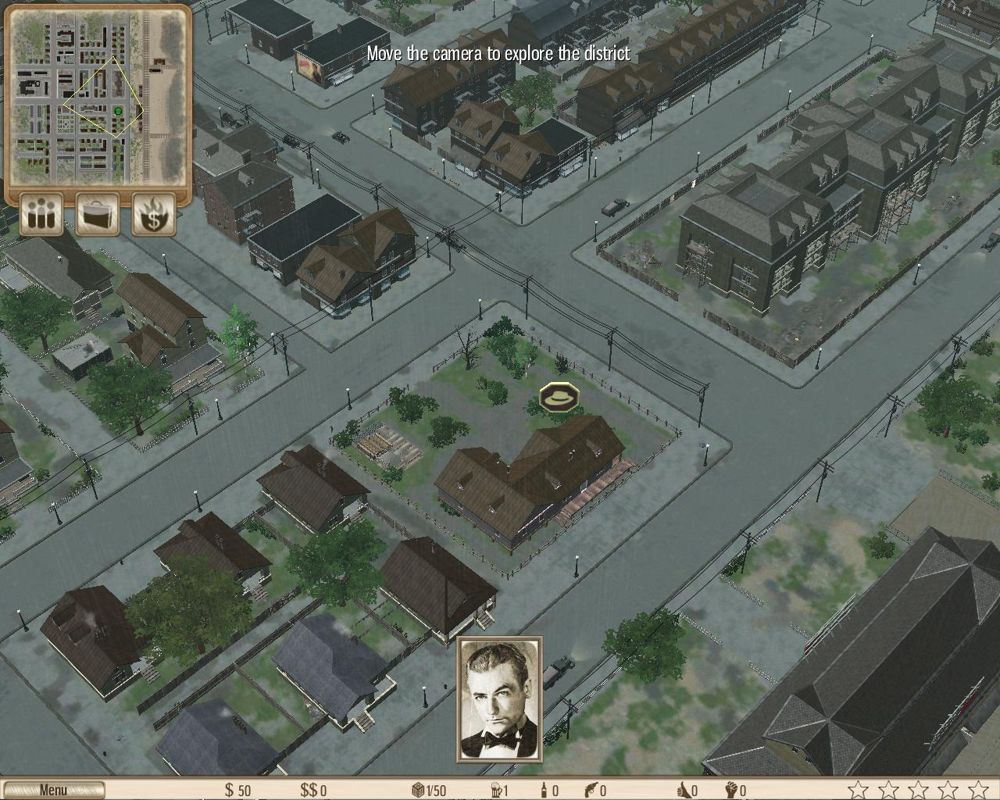
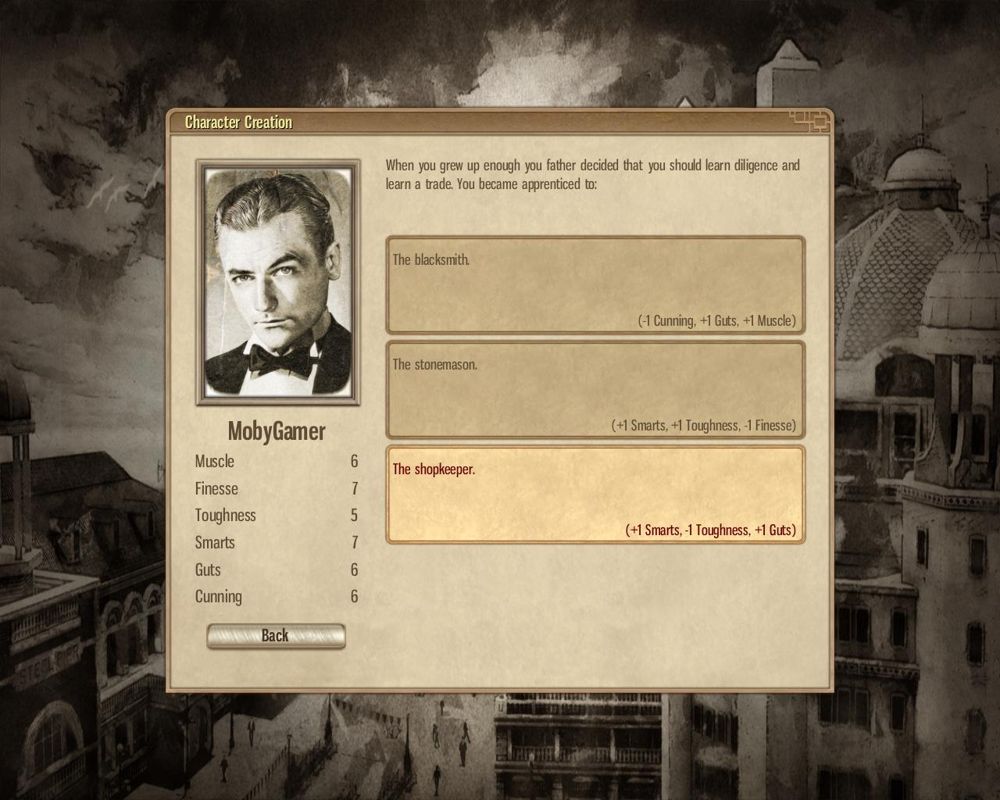
Omerta uses a diagonal-down viewpoint for its strategy play, fitting the city-building and territory-focused structure. The turn-based encounters pull the focus onto gangs, cover, and attack choices, making the shift from running businesses to settling scores easy to follow.
Story
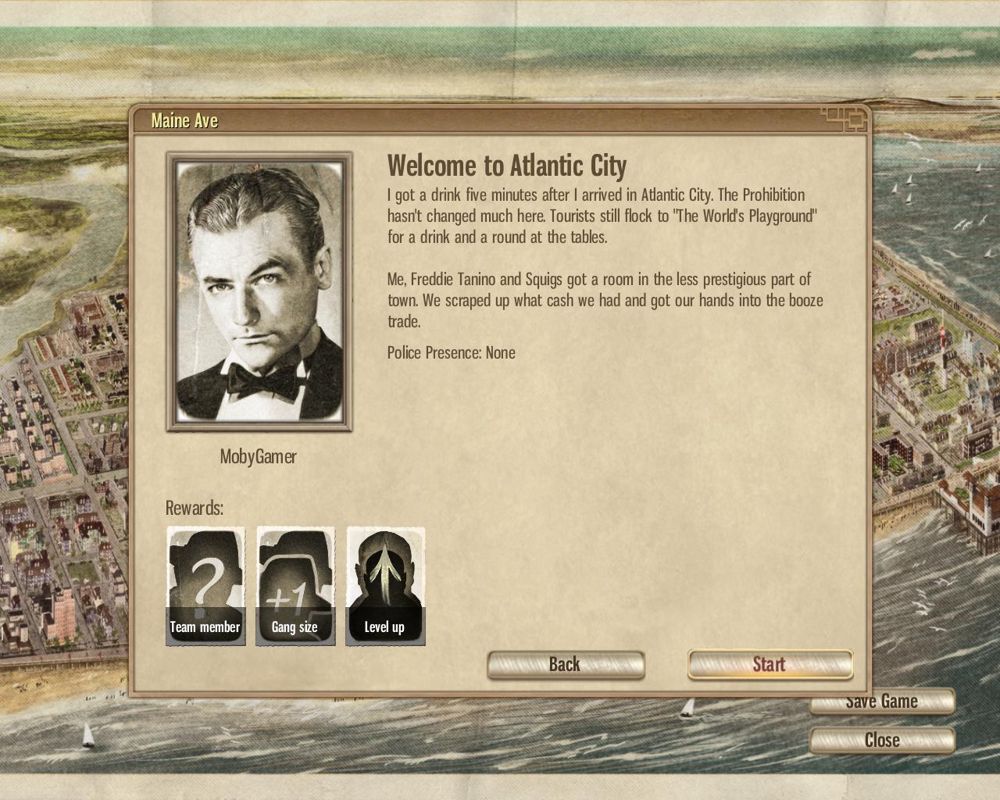
The story setup is stronger than the drama it promises. Prohibition-era Atlantic City, speakeasies, and an immigrant newcomer trying to earn a place in the Mafia are all excellent ingredients for a climb-from-nothing crime tale. You understand the ambition immediately: turn a foothold in the city into real power.
What carries the narrative is that steady upward movement through the Mafia’s ranks. Every new establishment and grabbed piece of territory reinforces the same fantasy of becoming somebody important in a dangerous city. It is a practical story framework rather than a reason to linger over every beat, but it suits a strategy game built around expansion.
Go in for the period crime premise, not for a richly detailed gangster saga. Omerta gives you a useful role and a clear destination, then lets business ownership and gang conflict do most of the storytelling. That can be enough when the empire-building loop has you engaged; it feels thin when the strategy starts to lose momentum.
Overall Experience
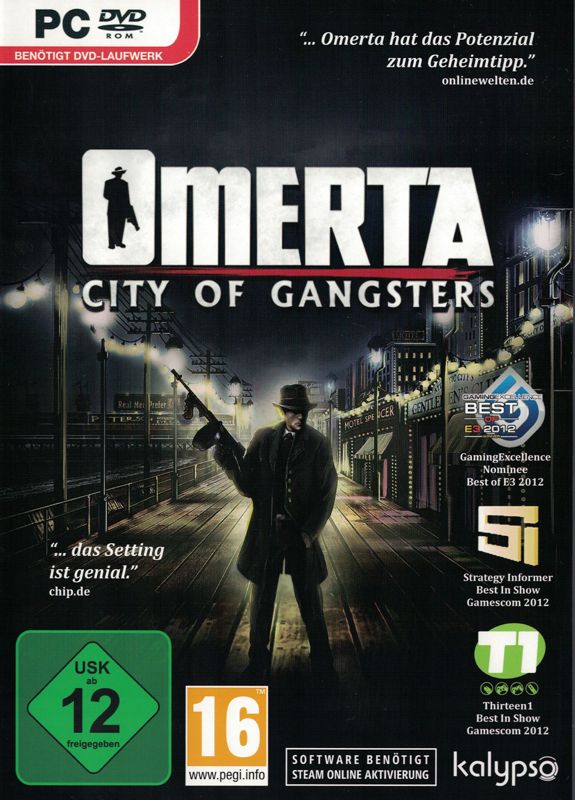
Omerta: City of Gangsters is a decent, uneven attempt to fuse a Mafia ascent story with business expansion and cover-based tactical combat. Its strongest moments come when a purchase, a growing income stream, and a newly claimed area make your criminal operation feel larger than it was an hour ago.
Frustration sets in when you want either half to develop further. The city layer has the broad objective of accumulating money and influence, while combat has character builds and positioning, yet neither side fully escapes a light treatment. The result is not broken or directionless; it is simply less absorbing than its setting suggests it could be.
Give it a chance if the idea of running speakeasies and taking Atlantic City block by block sounds inherently fun, and you are comfortable with a strategy game that changes gears for turn-based fights. Skip it if you need dense empire management or demanding tactical battles to stay invested. At its best, Omerta lets you enjoy the climb. At its average, it feels like a crime-game fantasy that stops short of becoming a great one.


Reviews
There are no reviews yet.