 Retro Replay Retro Replay gaming reviews, news, emulation, geek stuff and more!
Retro Replay Review
Gameplay
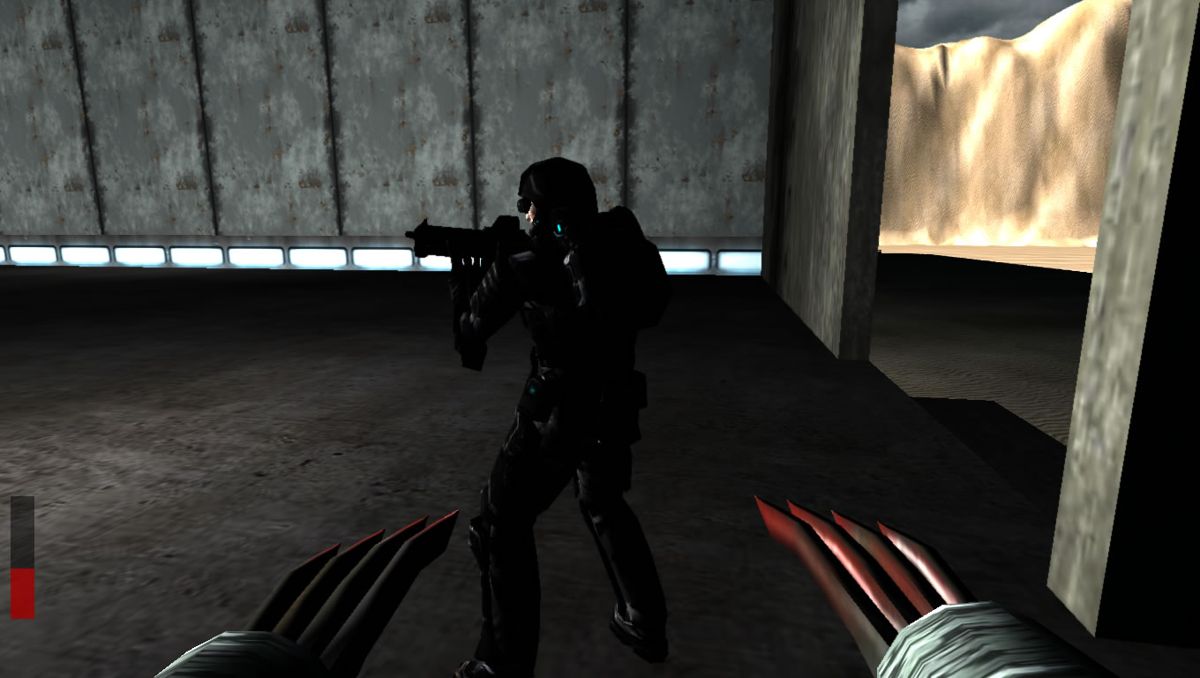
You feel vulnerable immediately in Perished: The Zurkez Project. Zurkez has claws, not a firearm, and a soldier with a gun can kill him after two bullets when you meet face-to-face. That makes the basic loop clear and tense: stay out of sight, get around a guard, then attack from behind. When it works, the directness is satisfying because a single successful flank feels earned rather than routine.
The problem is that the game asks you to live inside that one idea for its entire four-mission run. Soldiers are the only enemy type, and Zurkez has only stealth attacks and a jump to work with. Some guards patrol while others stay put, which gives you at least a little room to watch routes and choose an opening, but there is not much depth once you understand the safe answer to an encounter. Buttons that open new entrances add progression, though they do not meaningfully change the moment-to-moment challenge.
Frustration is likely to arrive when a stealth approach breaks down. The stakes are sharp because being seen from the front is so punishing, yet Zurkez lacks a broader set of recovery options. This is a game for patience more than improvisation. Local-network co-op could make the repetition easier to enjoy with a friend, while the free-floating camera is an unusual extra for poking around the environments independently of Zurkez.
Graphics
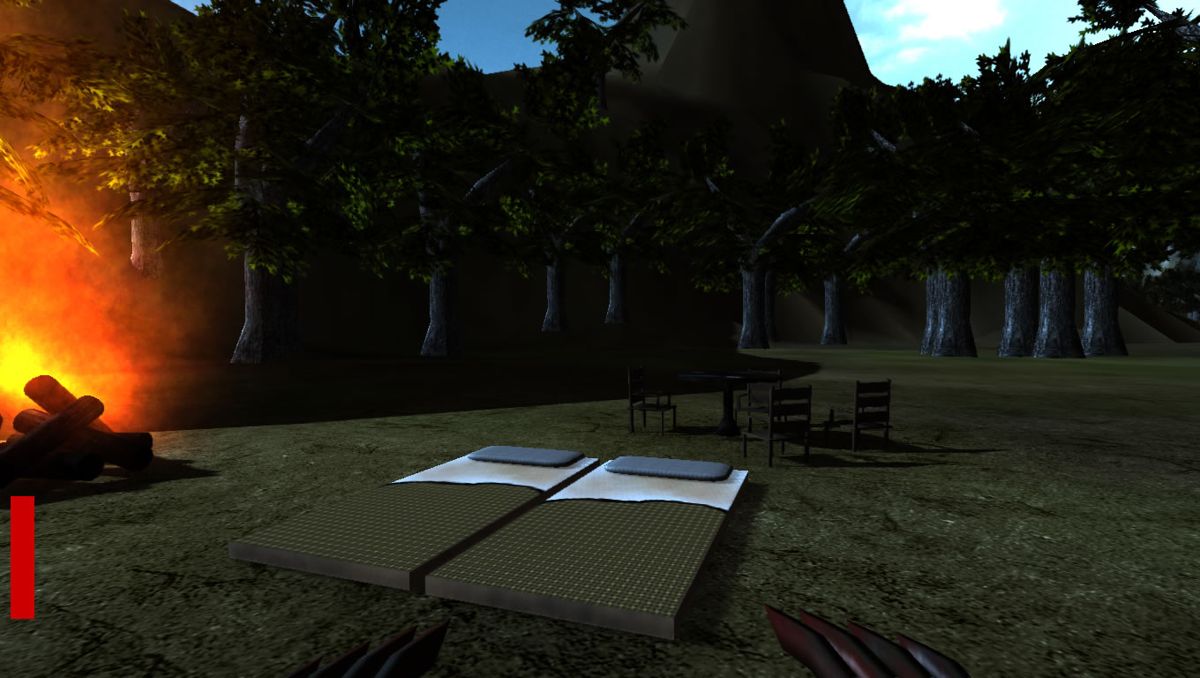
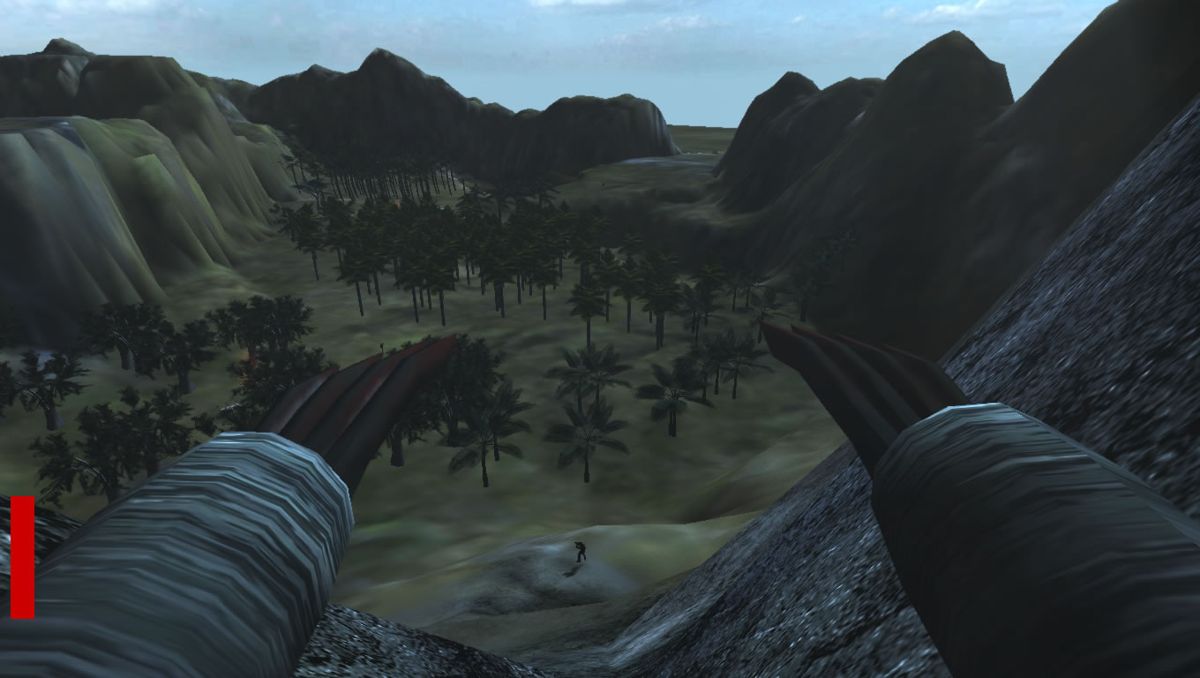
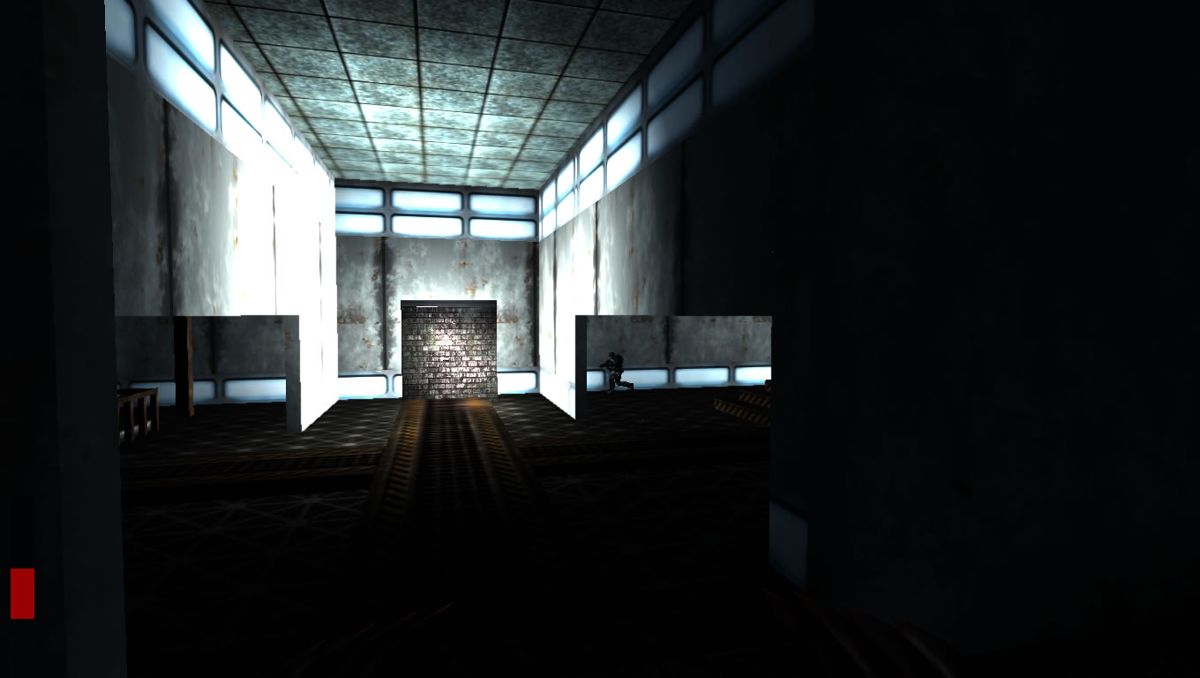
The game is played from a first-person view across a forest, underground base, facility, and town. Its most distinct imagery comes between missions: pencil-drawn cut-scenes accompany the voice-over and give Zurkez’s escape a hand-sketched break from the action.

Story
The premise has a grim, pulpy pull. Zurkez is a genetically altered child, fitted with claws in place of hands, who escapes a cloning facility and tries to learn what was done to him. That is enough motivation to make the opening escape feel personal rather than like a generic break-out scenario.
The journey moves through four locations, from forest to underground base, facility, and town. This gives the search a clear forward path, even if the game keeps its focus on slipping past soldiers rather than expanding into a densely layered mystery.
The pencil-drawn, voiced intermission scenes are important here because they carry the narrative between missions. They give the story a more authored feel than the spare gameplay alone might suggest, and they are the main reason to keep wondering what Zurkez will uncover next.
Overall Experience
Perished: The Zurkez Project has one good survival-stealth idea and refuses to dress it up as something grander. Sneaking behind an armed guard as a physically outmatched protagonist creates honest tension. You know exactly why a mistake matters.
Unfortunately, that same economy leaves the game feeling constrained. One kind of enemy and a tiny move set make the forest, bases, facility, and town feel more like successive backdrops for the same test than stages that push the concept in new directions. The payoff depends heavily on whether that stripped-down tension is enough for you.
Give it a chance if you enjoy rough-edged stealth games where observation and positioning matter more than combat mastery, especially if you can use its cooperative local-network mode. If you want varied encounters, flexible combat, or stealth systems that let you recover creatively after detection, Zurkez’s escape will probably feel too slight.


Reviews
There are no reviews yet.