 Retro Replay Retro Gaming History, Reviews & Emulation



Retro Replay Review
Gameplay
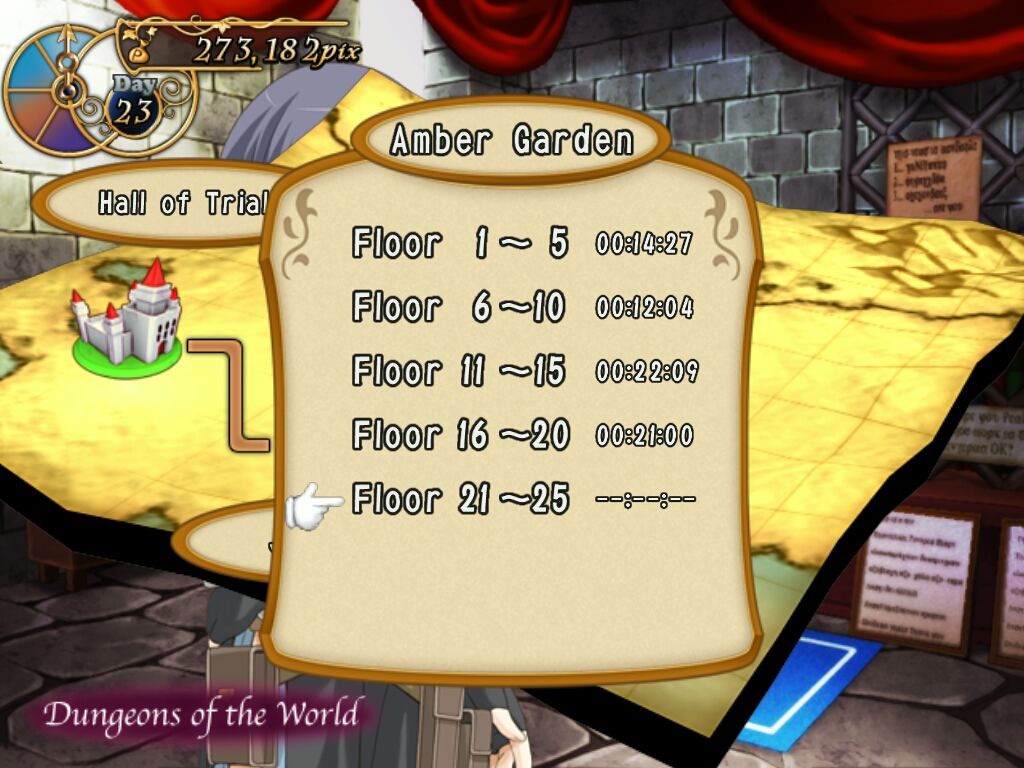
The first hour gets its hooks into you through haggling. You select what goes on display, listen to what each customer wants, and try to turn a profit without sending them away empty-handed. It is a simple interaction, but the stakes are clear because every sale contributes toward Recette’s looming payments. You are not merely emptying an inventory; you are constantly judging whether a modest, safe profit is smarter than gambling on a bigger one.
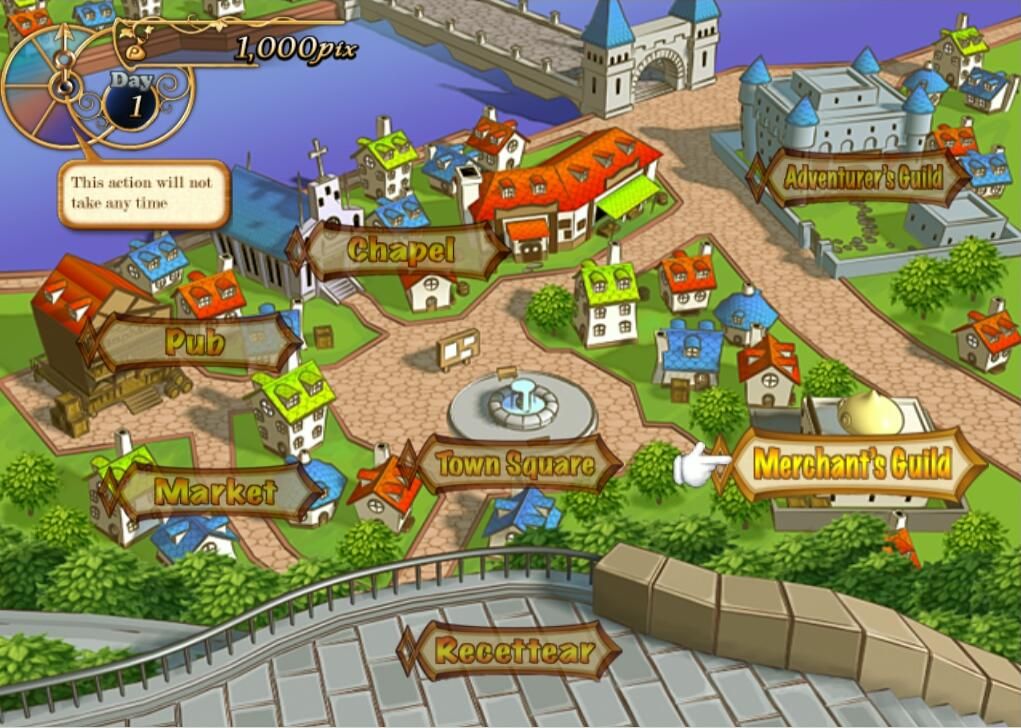
Time management gives that shopkeeping loop real teeth. A day has only five time units, and opening the shop, visiting town, or preparing for a dungeon all consume them. That makes each outing feel like a business decision. The marketplace can provide goods, while the Merchant Guild lets you buy below cost and sell through your own shop, but neither route magically fixes a weak stockpile. You need to plan around what you can afford, what you can sell, and how soon the next debt deadline arrives.
Dungeons are where Recettear breaks up the bookkeeping with overhead action. You choose an adventurer at the guild, then control them through randomized floors filled with monsters, chests, traps, and exits. Basic attacks and special attacks keep combat direct, while leveling improves the adventurer’s abilities and survivability. The important part is the risk: a successful run can bring back up to 20 items for the store, but defeat means returning wounded with only one. Three time units is a steep investment, so a careless run can wreck a day’s plan.
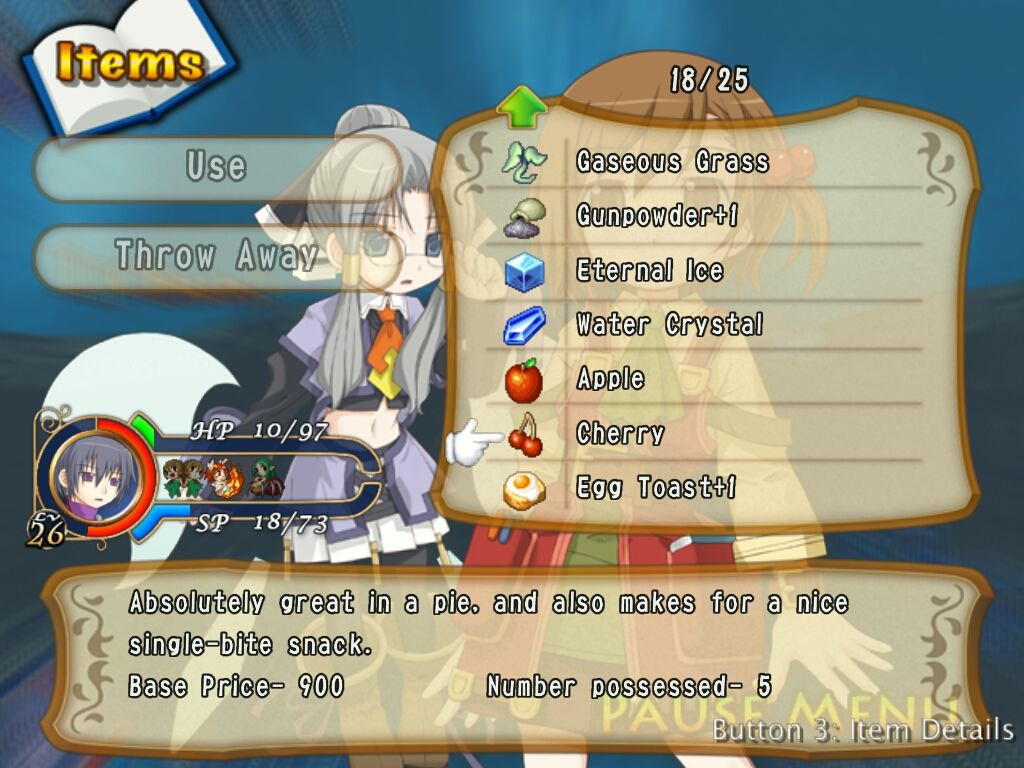
What starts to click is the economy between those two halves. Dungeon loot is not just loot; it is tomorrow’s inventory, a possible fusion ingredient, or the answer to a customer’s special order. Merchant experience also unlocks skills, including fusion, giving you more ways to turn scraps and stock into something useful. The systems make you feel clever when they align, though the same deadlines can make a string of poor sales or a failed dungeon trip genuinely frustrating.
Graphics
The game uses an anime-inspired fantasy look for Recette, Tear, the town, and its adventuring cast. Dungeon exploration shifts to an overhead view, where monsters, treasure chests, traps, and routes to the next floor are laid out clearly enough to follow while you fight and collect goods.
Story
Recettear begins with a very practical kind of fantasy crisis: Recette’s adventurer father disappears after buying equipment for a journey, and fairy debt collector Tear arrives to collect what he owes. Tear offers Recette one way out—turn the family home’s main-street location into a shop—and Recette’s name combined with Tear’s becomes the store’s name.
That premise works because the debt is not background decoration. It drives the deadlines, the need to haggle, and the temptation to risk time in a dungeon for better merchandise. Recette is not trying to save the world; she is trying to keep the doors open and pay what is owed. That smaller goal gives the game an unusually immediate pull.
The town’s pub, chapel, and square serve as places for events and cutscenes, giving the business routine room to breathe between sales and expeditions. The fantasy ruins and dungeons explain why adventurers and strange goods circulate through town, while the comedy genre fits a setup built around a young shopkeeper negotiating with customers under the eye of a fairy collector.
Overall Experience
Recettear is strongest when you stop treating either half as a side activity. The shop is where you make the money that keeps the run alive; the dungeon is where you find the stock that can make tomorrow’s shop session worthwhile. That loop turns modest decisions—what to display, where to buy, whether to delve—into satisfying little gambles.
It will not suit you if you want pure action or a management game without pressure. The dungeon portions cost valuable time, and failure has a painful economic consequence. Likewise, selling well requires patience with customers and a willingness to take repeated small decisions seriously rather than simply racing through a store day.
For anyone who enjoys watching a tight routine become a self-made business engine, the payoff is worth the stress. Recettear earns its charm through the way every coin, chest, and clock tick connects. By the time your stock, merchant skills, and adventurers begin working together, paying the next debt feels less like a chore than a hard-won proof that you have learned how to run the place.


Reviews
There are no reviews yet.