 Retro Replay Retro Gaming History, Reviews & Emulation
Retro Replay Review
Gameplay
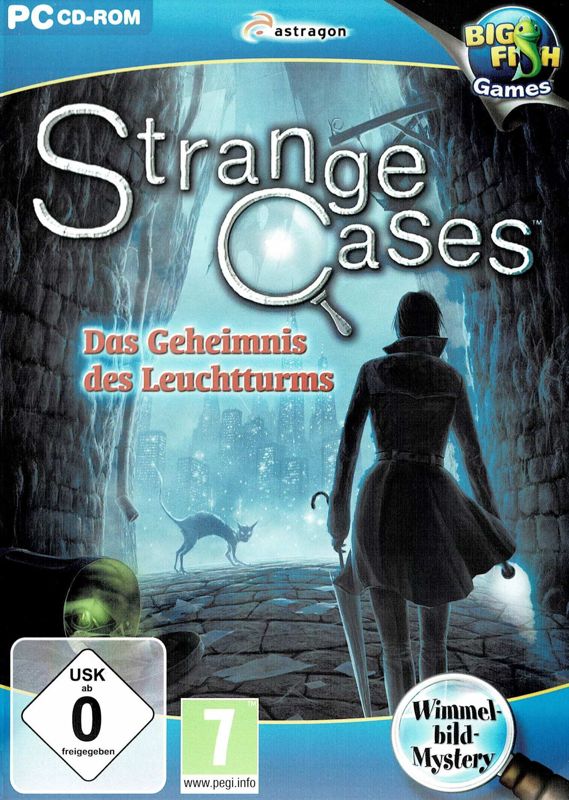
The first hour understands the basic pleasure of a detective hidden-object game: you arrive somewhere suspicious, comb through its clutter for a list of evidence-like odds and ends, and turn one recovered item into the key that opens the next little problem. Strange Cases: The Lighthouse Mystery keeps that loop moving with a reasonable sense of purpose. You are not just clearing scenes for points; every completed card feeds the suitcase inventory and pushes Claire’s investigation forward.
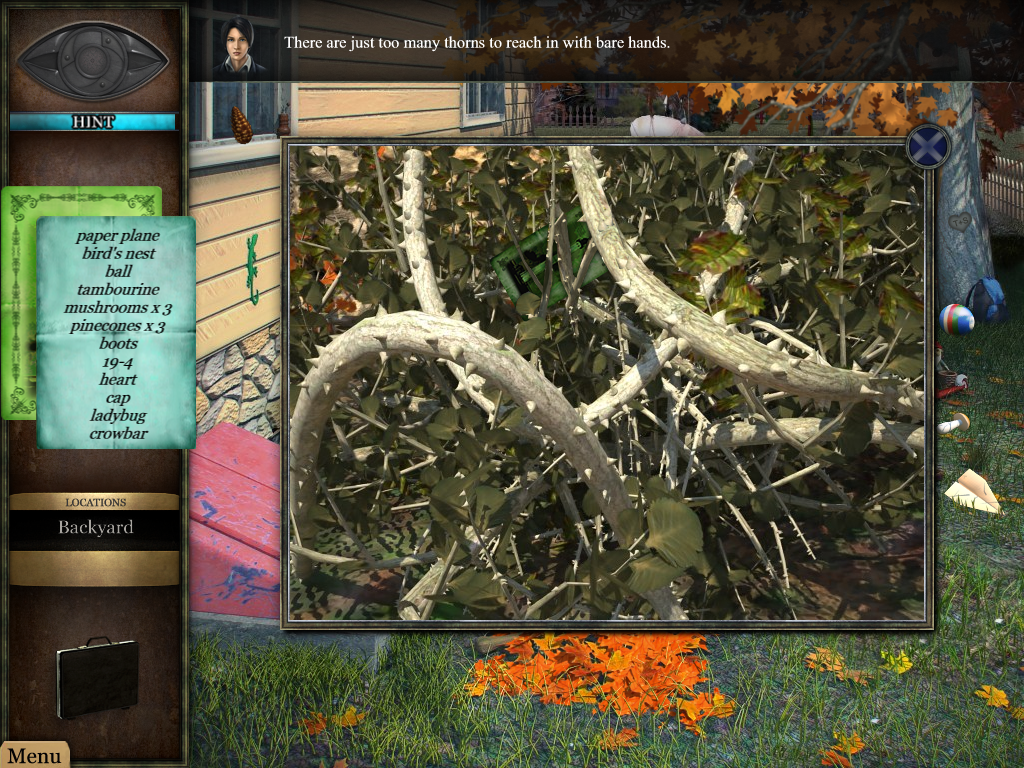
Hidden-object scenes use several list styles, including written names, silhouettes, and fragmented pictured objects. That variety is modest, but it matters. Switching from hunting for a plainly named object to piecing together scattered segments stops the searches from becoming completely automatic. The scenes are still deliberately crammed with paraphernalia, so there will be moments when you scan the same corner repeatedly and wonder whether an item is hiding in plain sight or behind an interaction.
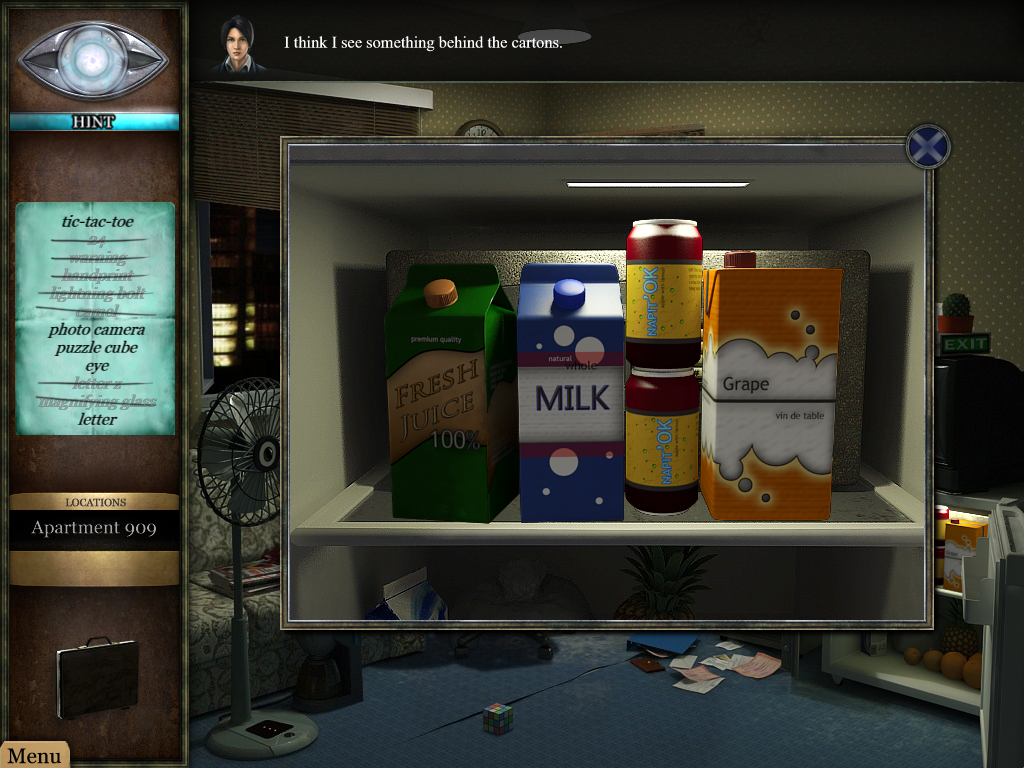
That is where the mechanical-eye hint earns its place. It identifies a needed object, but its recharge time prevents you from flattening every search instantly. It is a fair compromise: use it when a scene has stopped being fun, then get back to solving rather than blindly clicking. The crossed-out-eye marker on a face-down card also usefully tells you that a container or another extra action needs attention before that card can be completed.
Outside the searches, you drag objects from a suitcase inventory onto relevant parts of each location and tackle puzzle windows that ask you to manipulate pieces or mechanisms. None of this radically rethinks the genre, but it breaks up the object lists at the right times. Better still, mini-games can be skipped after a few minutes. If you enjoy poking at puzzles, try them first; if one feels more like a roadblock than a brain teaser, the game does not insist that you stay stuck.
Graphics
You see the investigation from Claire’s first-person perspective, with each location functioning as a static, densely packed search screen. The important visual feature is sheer clutter: objects are tucked among assorted scenery and containers, making close inspection part of the challenge. Cards sit at the left of the screen, the mechanical-eye hint is at the top-left, and the suitcase inventory waits at the bottom-left, keeping the essentials close at hand.
Story
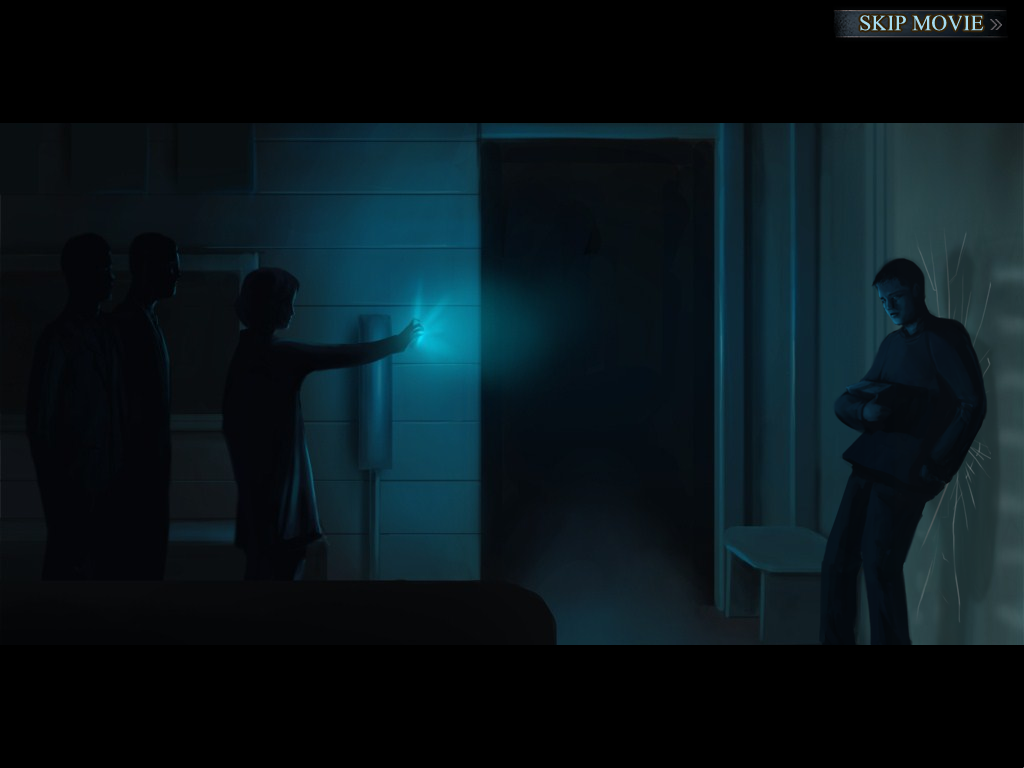
Tom’s death gives the game a sharper opening than the average excuse to start finding household objects. Claire’s nightmare, the apparent suicide outside his apartment, and the cards he leaves behind immediately suggest that the official explanation is not going to hold. It is a familiar mystery setup, certainly, but it gives your searches a useful emotional throughline.
The investigation broadens from one dead partner to a cult and a shadowy corporation, with the clues leading Claire into increasingly strange places. That escalation is the story’s main strength. You keep going because the case promises another layer beneath the last one, not because any individual hidden-object screen is especially novel.
Do not expect a restrained procedural. This is conspiracy-minded detective fiction, built around ominous revelations and suspicious evidence rather than everyday FBI legwork. If that pulpy tone works for you, the plot supplies a pleasant reason to see the investigation through. If you wanted a tightly grounded crime story, the cult-and-corporation direction may feel broader than the opening’s personal loss suggests.
Overall Experience
Strange Cases: The Lighthouse Mystery is a solid fit for an evening when you want low-pressure detective work with enough story to tie the puzzles together. It does not ask you to master complicated systems. Instead, it asks you to search carefully, make sensible inventory connections, and decide when a mini-game deserves another attempt versus a skip.
Its frustrations are the standard ones for the form: crowded scenes can turn a satisfying search into a slow hunt for a tiny overlooked object, and the basic loop will not convert anyone already tired of hidden-object lists. Yet the game gives you practical tools to manage that friction. The hint recharges, and the puzzle skip keeps one stubborn mechanism from derailing the entire case.
The payoff is not reinvention; it is a dependable mystery adventure whose investigation has more pull than its mechanics alone. Give it a chance if you enjoy following clue trails through cluttered scenes and prefer your hidden-object games with a dark conspiracy attached. Genre veterans will recognize nearly every ingredient, but the opening case and steady escalation make the trip worthwhile.


Reviews
There are no reviews yet.