 Retro Replay Retro Gaming History, Reviews & Emulation
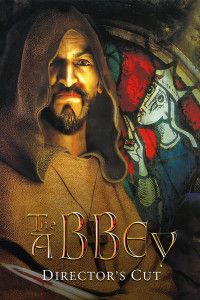
Retro Replay Review
Gameplay
The Abbey: Director’s Cut starts with a familiar point-and-select promise, then distinguishes itself by making discovery matter beyond the immediate puzzle. Each clue you uncover opens further options, and solved puzzles can alter how the story develops. That makes poking into every available lead feel purposeful rather than like routine adventure-game housekeeping.
The revised structure is one of the cut’s most meaningful improvements. You can work through material in different orders and choose between paths, which takes some of the edge off the genre’s usual stop-start rhythm. When you hit a puzzle that is not clicking, the ability to pursue another thread is far more inviting than being pinned in place until one solution comes to you.
Practical improvements help, too. A map shortcut cuts down on unnecessary navigation, while double-clicking speeds up the main character’s movement. Neither sounds glamorous, but both make a long point-and-click adventure easier to settle into. The scoring system is the bigger draw: your final percentage reflects the content you discovered, and 100% unlocks an extra scene. If you like clearing every lead and comparing routes, this gives the whole investigation extra bite.
Graphics
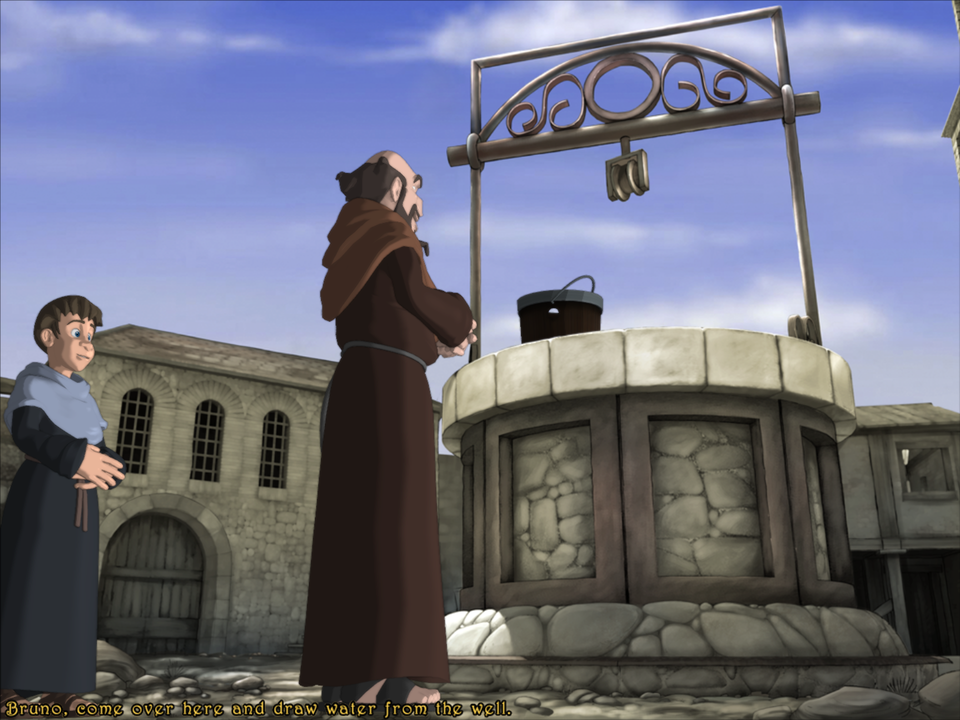
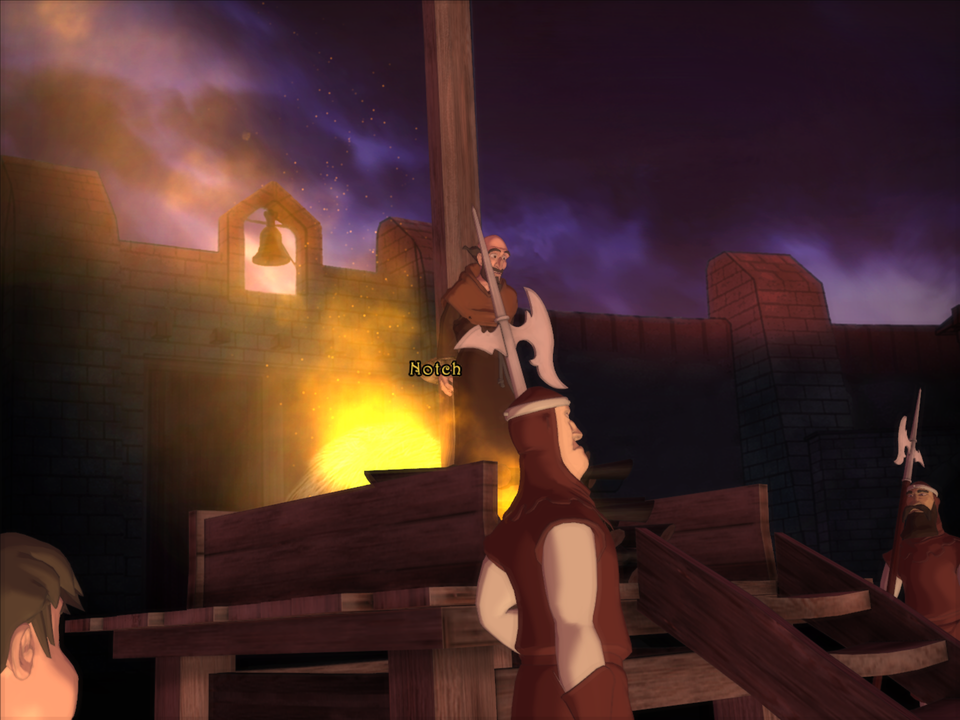
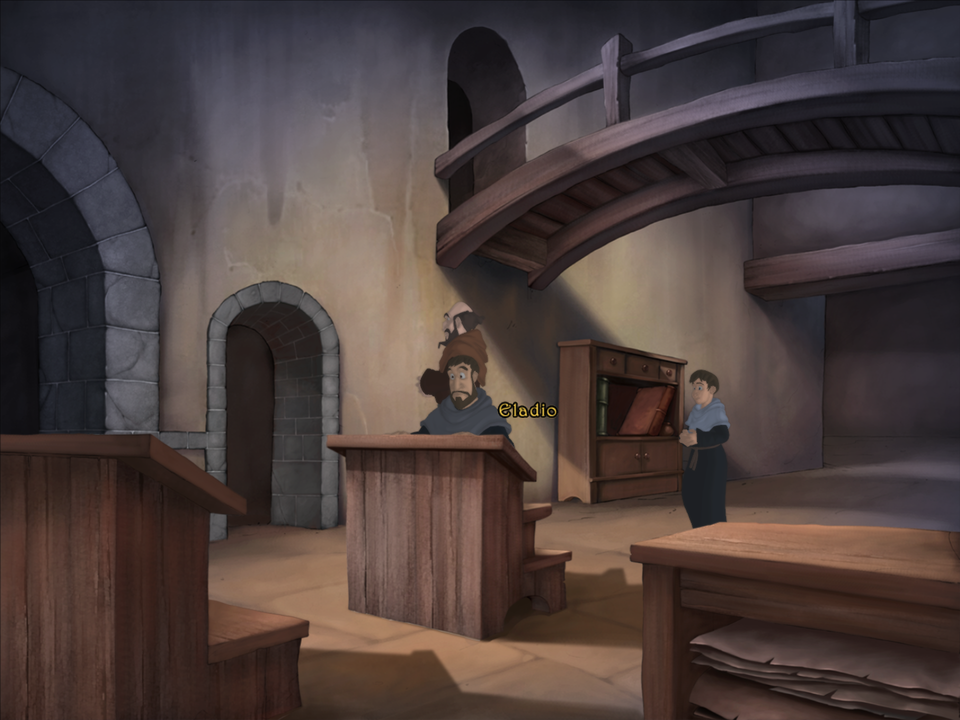
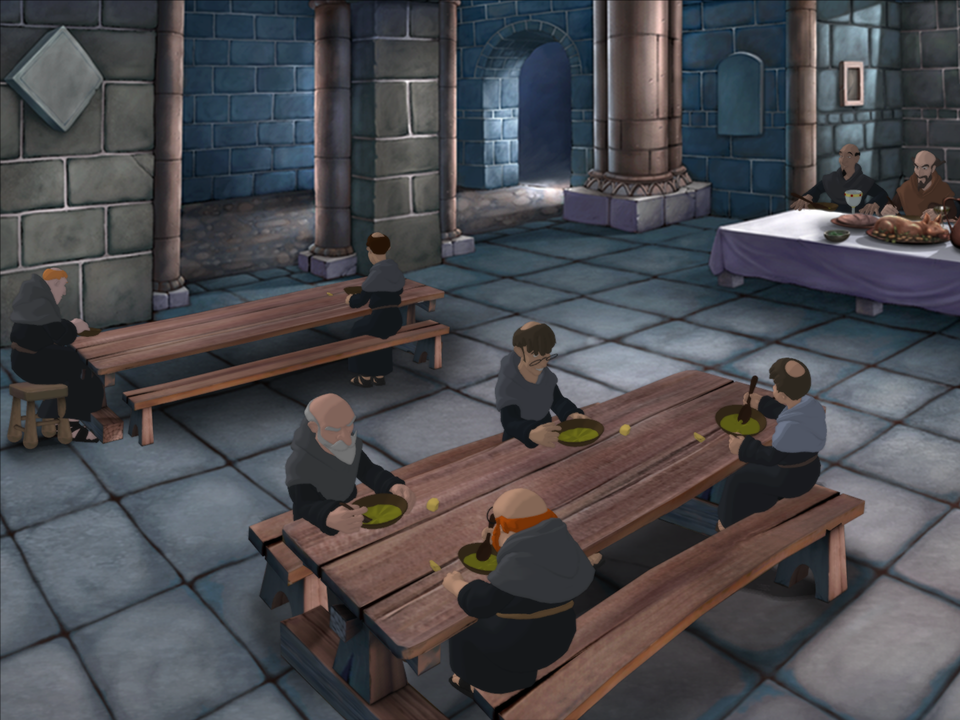
This edition adds polished backgrounds, new characters, and special effects, alongside improved lip-syncing. The result is a more refined version of the abbey’s medieval-European adventure setting rather than a bare re-release, and the included design material gives interested fans a look at how its characters and locations evolved.
Story
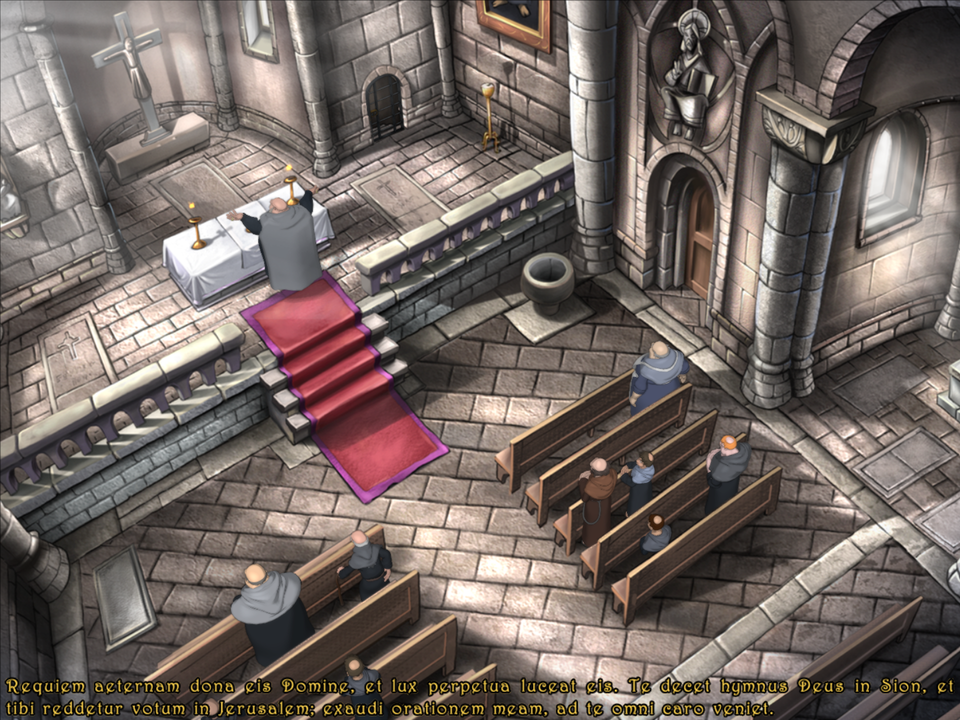
The Director’s Cut treats its mystery as something you shape through your investigation. Since the clues you find and puzzles you solve affect the story’s development, the narrative is not merely waiting at the end of a fixed chain of tasks. Your attention to detail has a stated payoff.
New scenes, additional footage, and extra voice-over expand the material from the original release. Revised conversations also aim for a quicker pace, an especially welcome change in a dialogue-heavy graphic adventure where a slow exchange can drain momentum from an otherwise intriguing lead.
Completionists have the clearest reason to stay with it: the extra scene for finding everything turns the story into more than a one-pass mystery. You do not need to chase 100% to reach an ending, but the game plainly rewards you for being methodical and for seeing how much of the abbey’s content you can uncover.
Overall Experience
This is a thoughtful Director’s Cut because its upgrades are not confined to polish. Faster travel, freer ordering of objectives, altered conversations, added scenes, and a discovery score all push in the same direction: less friction, more incentive to engage with the investigation instead of merely forcing your way through it.
It will land best if you enjoy classic graphic adventures that ask for patience and reward thoroughness. The puzzle score and branching order give it a stronger replay-minded pull than a strictly linear mystery, while the added ending incentive makes a careful first run feel worthwhile. If you want an adventure where clues gradually widen your options, The Abbey is easy to recommend.
Do not treat the percentage meter as a demand to play perfectly on your first attempt. Follow the leads that interest you, use the map and movement shortcuts to keep the pace brisk, and let the extra scene be a reason to return if the mystery gets its hooks into you. The payoff is a more flexible, fuller version of an old-school adventure format.


Reviews
There are no reviews yet.