 Retro Replay Retro Gaming History, Reviews & Emulation



Retro Replay Review
Gameplay
The first hour has a clean, tactile pull. You find the controller, discover that the enormous ball can be drawn toward you or shoved away, and start learning through simple obstacles rather than a pile of separate systems. There is immediate pleasure in the weight of it all: this is not a magic key that politely opens locks, but a huge object you have to position, launch, and live with.
What makes The Ball more than a novelty is how far Teotl Studios stretches that central object. You push buttons and open doors with it, use it to reach high or distant places, and crush dangerous local fauna when brute force is the right answer. Later uses involving lava, electricity, illumination, ancient vehicles, and standing on the ball itself give the campaign a welcome sense of escalation. The best puzzles arrive when you stop asking where to put the ball and start asking what it can become in the room you are in.
There is friction built into that commitment. A two-metre ball is deliberately unwieldy, so moving it through caves and constructed spaces can turn a promising idea into a fiddly stretch of repositioning. The action also stays tied to the same tool, which makes combat feel more like another problem to solve than a reason to play on its own. If you enjoy deliberate first-person puzzle games, that is usually part of the fun; if you want constant forward momentum, it may test your patience.
Beyond the main journey, Survival mode gives you four additional maps built around enduring waves of enemies and traps. It is a sensible extra for anyone who enjoys using the ball aggressively, though the campaign remains the stronger reason to play because it gives each new use of the device a purpose.
Graphics
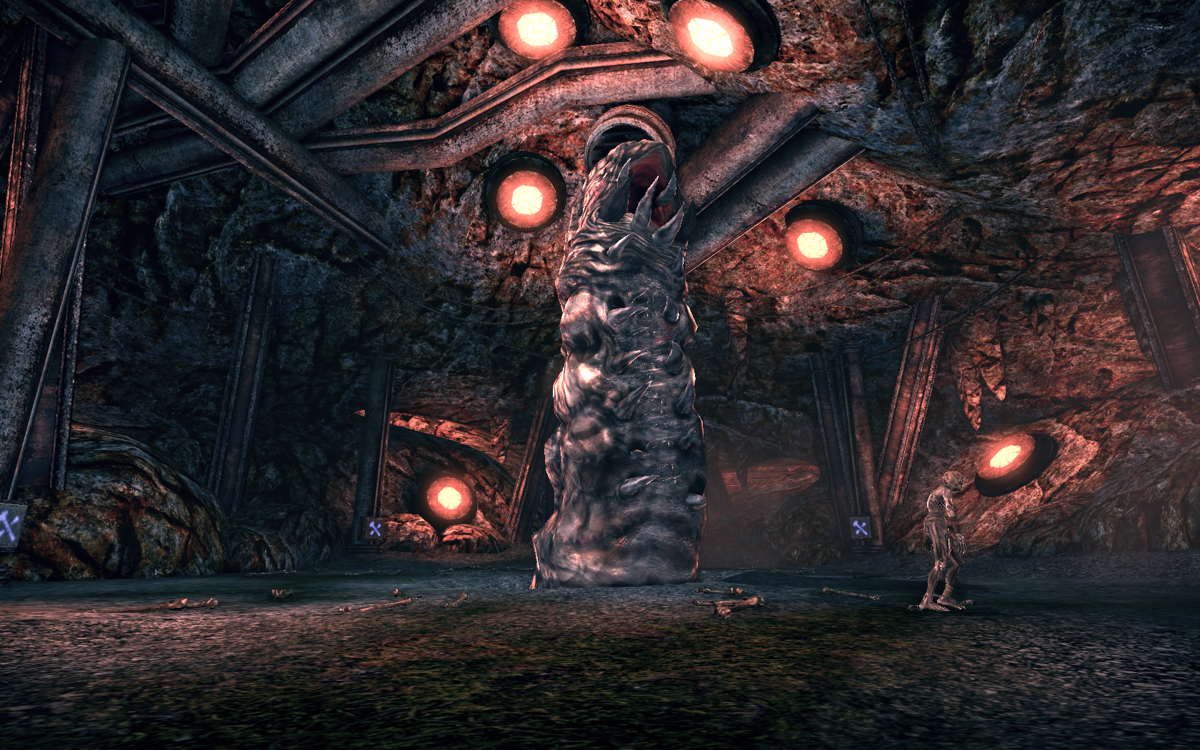
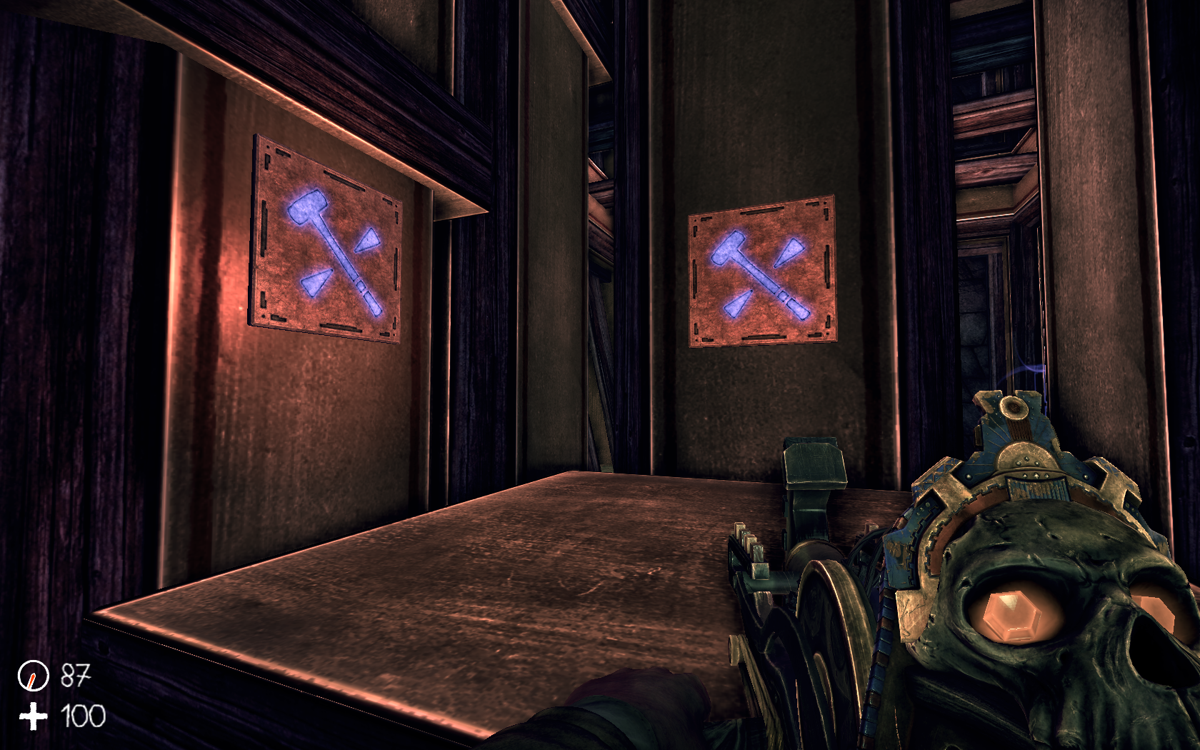
From the first-person camera, you spend the game looking across underground caves and the ancient cities, towns, and other chambers buried beneath Pico del Miedo. The giant ball is the image that sticks: a two-metre sphere rolling through tight archaeological spaces, becoming a conspicuous part of every puzzle rather than a small prop at your feet.
Story
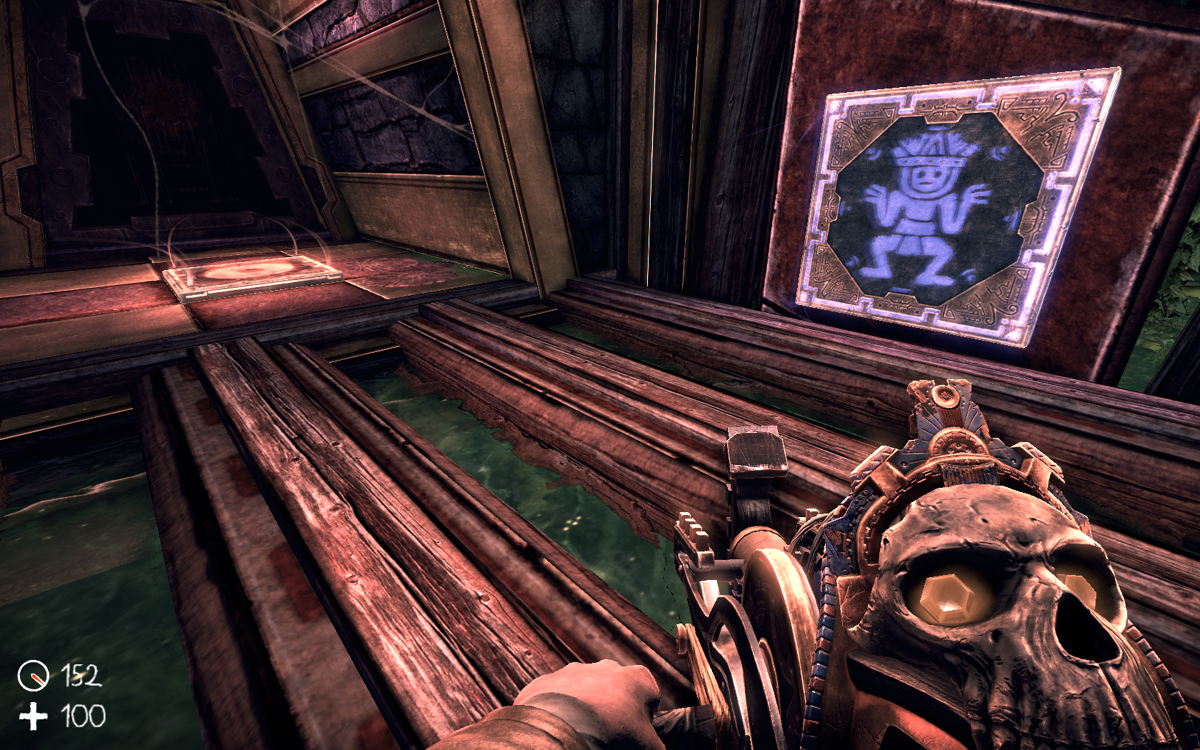
The setup is brisk and effective. In Mexico in 1940, an archaeologist exploring Fear Peak falls through a hole before his colleagues can rescue him, then follows his curiosity deeper into an Aztec discovery. It is a classic adventure-game excuse to go somewhere dangerous alone, but it fits the lonely, downward-driving structure of the game well.
You are not here for a dense cast or elaborate drama. The story mainly gives the puzzles a direction: keep descending through mysterious ruins and uncover the secrets buried in the mountain’s deepest chambers. That modest approach works because the strange device and its ball do much of the storytelling through play.
The archaeological framing also helps the escalating puzzle uses feel connected rather than arbitrary. Ancient doors, powered mechanisms, dark spaces, and vehicles all belong to the same hidden-world premise. It will satisfy you most if you want a clear adventure thread carrying the puzzles along, not a heavily character-driven tale.
Overall Experience
The Ball is an admirably focused first-person puzzle adventure built around one strong idea and willing to keep interrogating it. Rather than handing you a growing arsenal of unrelated gadgets, it asks you to develop a relationship with one giant sphere. When that design clicks, each newly revealed use feels like a genuine expansion of your own understanding.
Its rougher stretches are just as easy to identify: physical puzzles can become slow when the ball is not where you need it, and the combat-oriented moments do not have the same elegance as the environmental challenges. Yet the game earns goodwill by continually finding new practical roles for its central object instead of exhausting the concept after a few rooms.
Give it a chance if you like first-person puzzles with a bit of action and do not mind pausing to think through a room. The payoff is not a rush of spectacle; it is the satisfying moment when an awkward stone sphere, a door, a dark passage, and an unreachable ledge suddenly form a solution you can put into motion yourself.


Reviews
There are no reviews yet.