 Retro Replay Retro Gaming History, Reviews & Emulation
Retro Replay Review
Gameplay
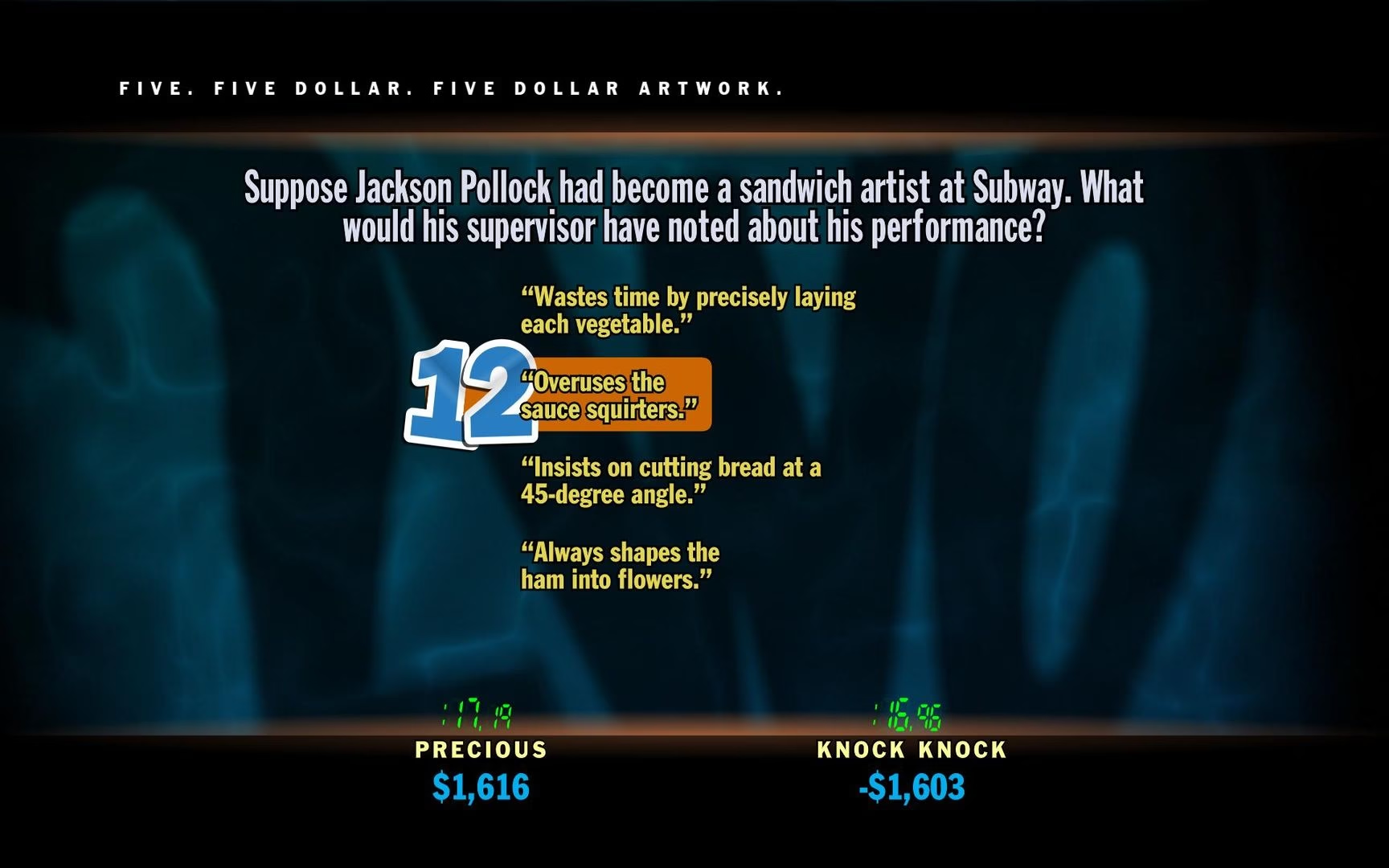
You Don’t Know Jack gets its hooks into you by making trivia feel less like a test and more like a duel of speed, recall, and composure. Each episode moves through two rounds of five questions before Jack Attack closes things out. Cash rises or falls with both correctness and speed, so sitting on knowledge can hurt almost as much as blurting out a wrong answer. That simple pressure gives even familiar subjects a lively edge.
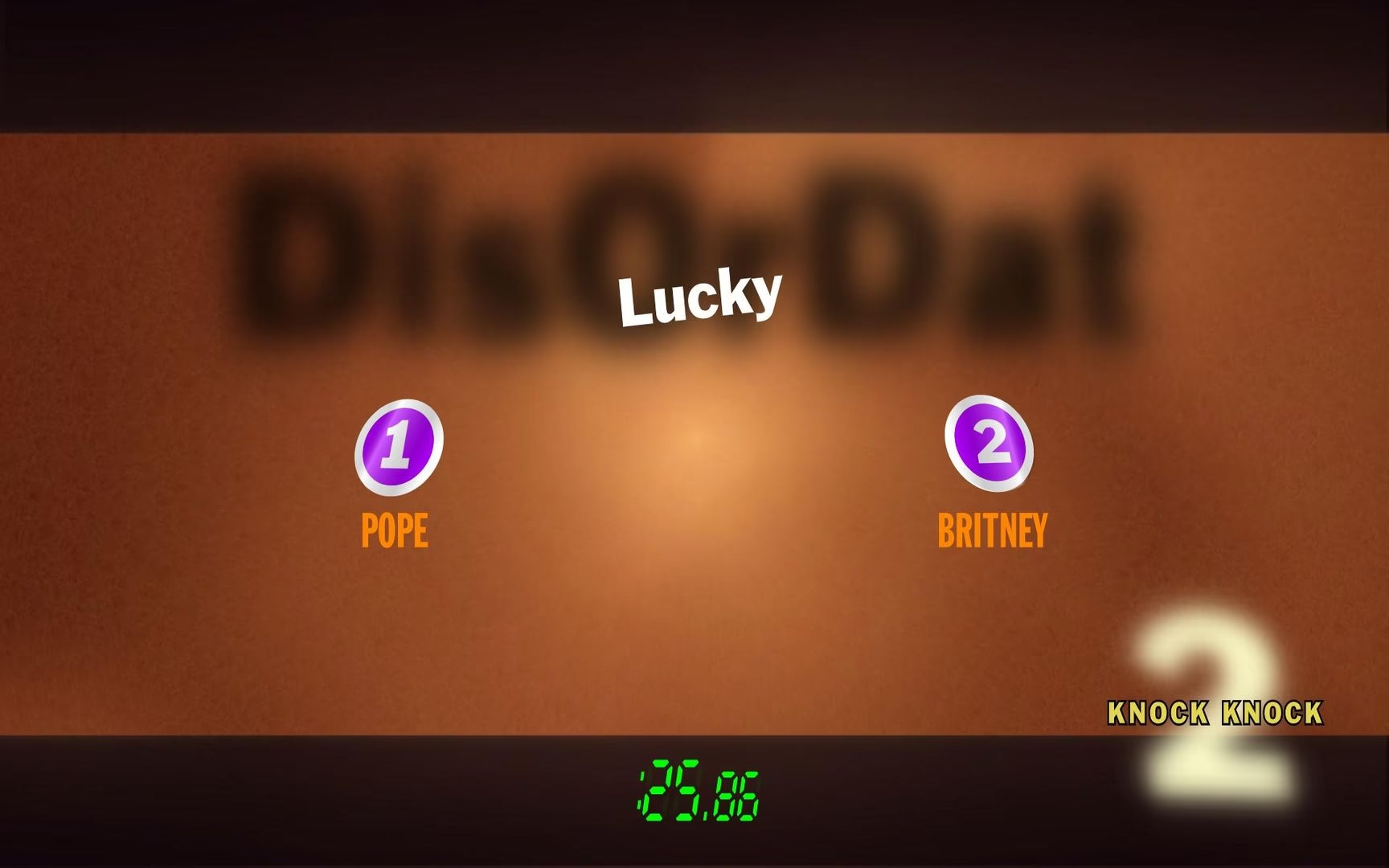
What starts to click is that you are not merely waiting for a turn. Both local players can answer every question, which keeps the pace up and makes close calls feel properly competitive. DisOrDat asks you to make a category choice, while Screw Your Neighbor lets you shove a risky quick-answer problem onto the other person. A successful screw can reverse momentum; a failed one can make your own confidence look foolish.
Jack Attack is the payoff. After the earlier questions have trained you to parse the game’s oddball wording, the word-matching finale asks for faster pattern recognition than straight recall. It is a strong closer because it gives the trailing player room to rally without turning the whole episode into random chaos. The biggest practical limitation is the Windows edition’s two-local-player cap. It works wonderfully for a head-to-head couch contest, but it is not the wide-open group game many people remember from other entries in the series.
Graphics
The question screens use a deliberately spare game-show look: dark teal-blue or warm orange-brown blurred backdrops, heavy black framing, and bold flat white and yellow text. Glossy blue-outlined numbers and purple-and-silver discs add enough color and shape to make the screen feel playful without distracting from the words you need to read quickly.
Story
There is no adventure plot here. The fiction is a TV quiz show, and that is enough because Cookie Masterson’s snark gives each question a comic point of view. He turns the gap between what you know and what you think you know into the joke.
The writing is the real connective tissue. General knowledge and pop culture are filtered through deliberately unconventional phrasing, so the game regularly asks you to stop, reinterpret the question, and then realize what it was getting at. When that twist lands, the laugh and the answer arrive together.
Fake episode sponsors also tie into the Wrong Answer of the Game bonus, reinforcing the goofy broadcast framing instead of asking you to care about an invented larger narrative. Some of the 2011 references now feel dated, but the best material is broad enough that the humor still comes from the question’s construction, not recognition alone.
Overall Experience
This is a very good trivia game because it understands that knowledge without personality is dry. You can be well informed and still get tripped up by the wording, while someone with a quicker read on the joke can steal the money. That mixture makes wins feel earned and losses entertaining enough to invite another episode.
The downside is unavoidable: the episodes are fixed. Once you remember a question, its surprise is gone, and repeated play gradually shifts from discovery toward memorization. That does not ruin the game, but it makes it better as a periodic two-person challenge than a nightly ritual.
If you want a sharp, funny quiz contest for one or two people sharing a PC, this remains an easy recommendation. The 2011 PC edition’s Steam page reflects its two-player format and episode-based design, though the game is delisted. Give it a chance for the writing and the quick-thinking rivalry, not for endless replay surprises.



Reviews
There are no reviews yet.