 Retro Replay Retro Gaming History, Reviews & Emulation
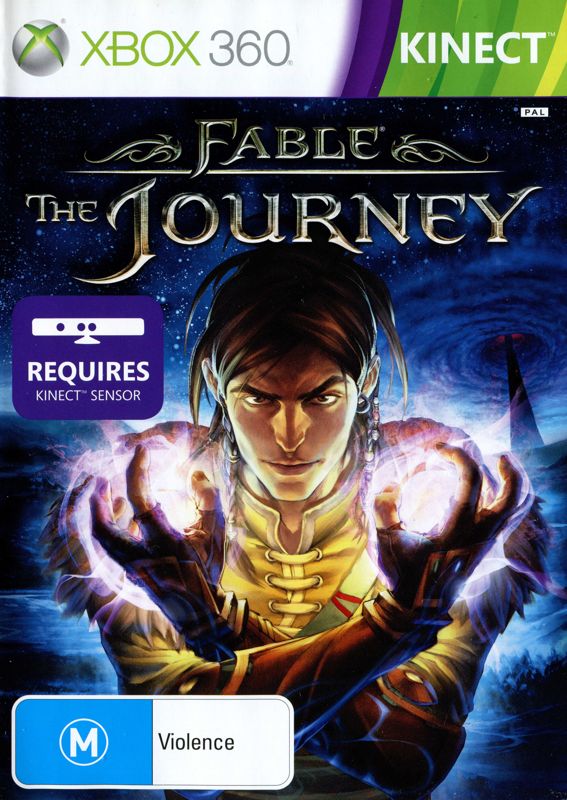
Retro Replay Review
Gameplay
The first thing you notice in Fable: The Journey is that it asks you to inhabit its world physically. You guide a horse by handling reins, cast magic through hand gestures, and tend to the animal when it is hurt. That makes the opening feel more personal than a standard controller-driven action RPG. When you are in the mood to stand up and commit to the motion controls, there is a genuine novelty in turning your hands into the means of survival.
Combat is built around facing Albion’s corruption and its creatures with spells. The spell-crafting idea is the game’s most interesting hook: you draw items with your hands, then put those creations to work as shields, weapons, or practical tools. A telescope and fishing rod can also emerge from this system for mini-games, which gives the gesture input a broader purpose than simply flinging attacks at enemies.
That said, the Kinect-only format is not a small footnote; it defines whether the game works for you. If you want the precise, relaxed feel of a conventional Fable adventure, this can feel like a demanding detour. Much of your time is spent on horseback, too, so go in expecting a journey structured around travel, reins, and caring for your mount rather than free-form wandering on foot.
There is a neat extra incentive for anyone who has played Fable: Heroes. Progress there can level up your character here and unlock additional items. It is a pleasant bonus, though not a reason to force yourself through either game. The core question is simpler: do you enjoy Kinect-led fantasy action enough to let the hardware dictate the rhythm?
Graphics
Albion remains the draw visually, with Gabriel traveling through a fantasy world threatened by corruption and its creatures. The first-person viewpoint puts your hands at the center of the action, which suits the spellcasting premise and helps the Kinect input feel connected to what you are doing.
Story
The Journey takes place 50 years after Fable III and follows Gabriel, a young Dweller, as Albion begins to buckle under a spreading corruption. That time jump gives the game a useful reason to stand apart from the earlier main entries without abandoning the series’ world.
Theresa guides Gabriel through the crisis, and the plot stays focused on confronting the corruption and the creatures it creates. It is a clean fantasy setup: a reluctant young protagonist, a looming threat, and a guide who points him toward the responsibility he would rather avoid.
Do not come in expecting this to replace the broader role-playing sweep associated with the numbered Fable games. The story is framed around Gabriel’s trip and the immediate danger facing Albion, which fits the more directed, motion-controlled format. For invested Fable fans, that return to the world is the strongest narrative reason to make the trip.
Overall Experience
Fable: The Journey is an awkward but sincere experiment. Its best moments come from the direct connection between your hands and the magic, plus the unusual sense that the horse is something you are responsible for rather than just a vehicle. Few Fable games ask you to engage with Albion in quite this way.
The frustration is equally clear: this is inseparable from Kinect, and its horse-focused structure will not satisfy anyone arriving for a traditional open-world action RPG. You need to want a guided motion-control adventure first and a Fable continuation second. If that sounds backward, it probably is not for you.
For the right Fable fan, though, there is enough charm in Gabriel’s place in Albion and enough imagination in the drawn-spell concept to justify an afternoon or two with it. Treat it as a curious side road rather than the fourth mainline adventure your expectations may want it to be. For background on its place in the series, see this history of Fable: The Journey.


Reviews
There are no reviews yet.