Retro Replay Retro Gaming History, Reviews & Emulation
Sometimes your friends talk you into playing a game you weren’t particularly interested in, and it turns out they were right all along.
For me, Star Wars: Battlefront II was one of those games.
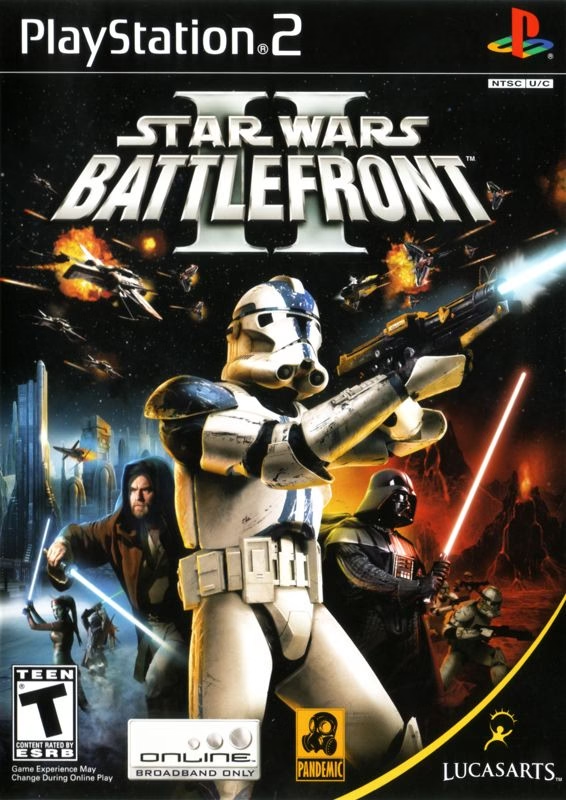
On 1 November 2005, Pandemic Studios and LucasArts released Star Wars: Battlefront II for PlayStation 2, Xbox, PC, and PSP, expanding the original game’s large-scale battles with new locations, space combat, playable heroes, and additional game modes.

And despite being a lifelong Star Wars fan, I wasn’t particularly excited about it.
I’d played the original Battlefront. It was okay, but the pacing never really clicked with me. Despite all the running and gunning, the action sometimes felt slow, oftentimes literally, and the gameplay seemed to favor rushing objectives over thoughtful tactics.
It reminded me of the difference between StarCraft and Rome: Total War. In StarCraft, it often felt like whoever threw the most troops at an objective would eventually win. Total War, on the other hand, rewarded more deliberate planning, positioning, and matching the right units against the right enemies.
That’s how Battlefront felt compared with some of the more tactical shooters I’d enjoyed. Too much emphasis on charging into the fight, and not enough on thinking your way through it.
But my friends kept encouraging me to give the sequel a chance.
Eventually, I gave in and picked it up for PlayStation 2.
And the more I played, the more I realized there actually was a method to the madness.
A Galaxy at War
The original Battlefront had established a pretty entertaining concept: take the enormous battles from the Star Wars movies and let players participate as ordinary soldiers rather than legendary heroes.
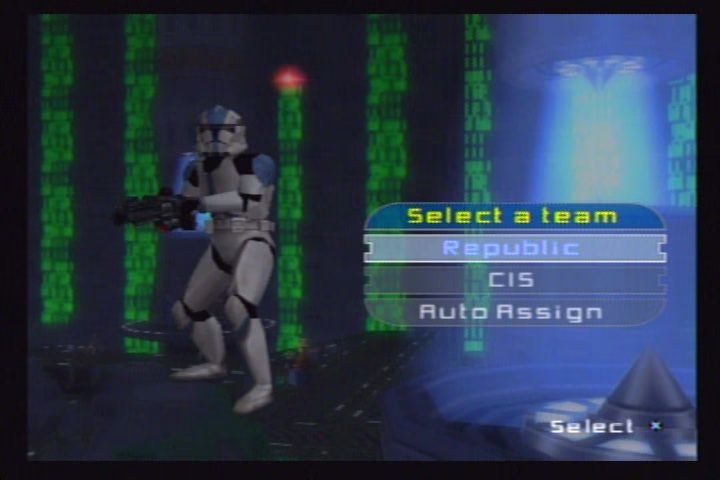
You could join the Republic, Separatists, Empire, or Rebel Alliance, depending on the era, fighting for control of familiar locations from the films.
Battlefront II built on that foundation.
The sequel introduced proper space battles, allowing players to pilot starfighters, attack enemy capital ships, and board opposing vessels. Playable Jedi, Sith, and other famous characters added another layer of excitement, while additional modes and maps expanded the experience.
There was also a story mode following the legendary 501st Legion through the Clone Wars and the rise of the Galactic Empire.
At least, that’s what I’ve been told.
I don’t think I even touched the campaign.
For me, Battlefront II was almost entirely a multiplayer experience.
Finding the Method in the Madness
At first glance, Battlefront II could still look like a chaotic run-and-gun shooter.
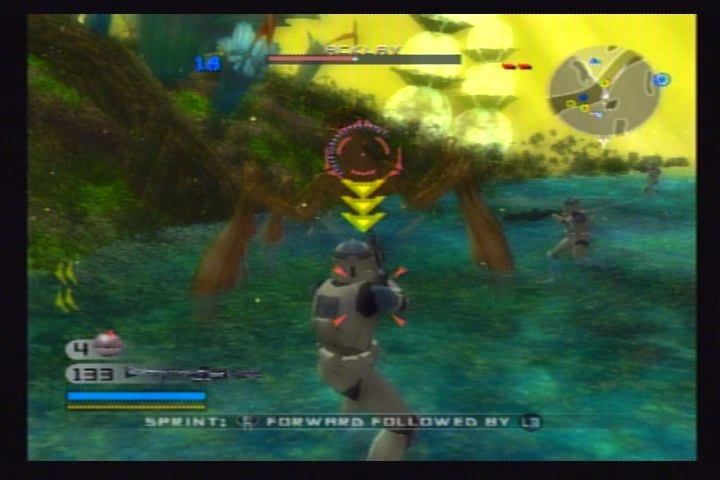 Capture a command post. Defend another. Respawn. Run across the map. Get shot. Repeat.
But beneath all that blaster fire was a surprisingly entertaining team-based game.
Each faction offered different soldier classes, with weapons and abilities suited to particular situations. Engineers could repair equipment and support teammates, while other classes specialized in frontline combat, heavy weapons, or long-range engagements.
The trick was figuring out what worked for you.
It took me some time to learn which classes I was good with, which ones I wasn’t, and where I could make the greatest contribution.
I was definitely more of a support player.
I didn’t need to be the hero charging into every encounter or racking up the highest kill count. I was perfectly happy doing my part and helping the team secure a victory.
And that’s where playing with friends made all the difference.
You didn’t necessarily need an elaborate battle plan. Just a group of decent players who understood their roles, communicated, and were willing to cooperate.
For me, that usually meant friends.
 Not random strangers who seemed determined to chase personal glory while the rest of us were trying to win.
Once I learned to play to my strengths, I started appreciating the strategy beneath the chaos. It wasn’t particularly deep, and it certainly wasn’t always pretty, but knowing when to attack, defend, or support your teammates could make the difference between victory and defeat.
It wasn’t SOCOM, and it didn’t need to be.
I’d finally figured out what made Battlefront fun.
Mos Eisley. My Kind of Arena.
Not surprisingly, my favorite map was Mos Eisley.
I’ve always preferred smaller-to-medium-sized urban environments in multiplayer shooters, and Mos Eisley offered exactly the kind of combat I enjoyed.
Narrow streets. Buildings. Alleys. Plenty of opportunities for close-quarters fighting.
Some of the other maps felt too open, with too much running between objectives. Others were too dark or simply didn’t suit my playstyle.
I was never particularly interested in spending half a match crossing an enormous field just to get picked off by somebody hiding with a sniper rifle.
Give me buildings to move through, cover to use, and enemies lurking around the next corner.
And there’s something wonderfully entertaining about turning one of the most recognizable locations in Star Wars into a chaotic urban battlefield.
For the record: Mos Eisley also featured the popular Hero Assault mode, allowing players to pit famous Star Wars heroes and villains against one another.
I didn’t spend much time with it, preferring the regular battles.
Although I certainly understand the appeal of watching Darth Vader and Yoda settle their differences in a Tatooine street fight.
A Different Time for Multiplayer
I did eventually try EA’s Star Wars Battlefront reboot in 2015.
I gave it a weekend.
 And that was about enough for me.
It wasn’t necessarily that the new game was terrible. By then, PvP gaming simply wasn’t something I was particularly interested in anymore.
I’d moved on to other kinds of games, and the excitement of jumping into online matches had largely faded.
Looking back, I think that’s part of what makes the original Battlefront II memorable.
It was one of those relatively rare games where I spent a significant amount of time playing alongside friends rather than working through a single-player adventure on my own.
We weren’t necessarily the best players on the battlefield, but we had some great times figuring things out, winning matches, and occasionally getting our asses handed to us.
And sometimes those are the gaming memories that stick with you the longest.
Twenty-One Years Later
I went into Star Wars: Battlefront II expecting another shooter that wasn’t particularly suited to my tastes.
Instead, I discovered a game that rewarded me for figuring out where I belonged on the battlefield.
And I had a hell of a lot of fun doing it.
Twenty-one years later, I don’t remember my win-loss record, my favorite loadout, or how many enemies I managed to eliminate.
I remember Mos Eisley. I remember the friends who talked me into buying the game. And I remember being glad I’d listened to them.
Sometimes the best games aren’t the ones you were most excited to play. They’re the ones that surprise you.
What about you? Did you play the original Battlefront II? What was your favorite map, and did you prefer fighting alongside friends or taking on the galaxy alone?
#GamesWithGalt #StarWarsBattlefront2 #StarWars #BattlefrontII #PlayStation2 #PS2 #GamingHistory #RetroGaming #MultiplayerGames