 Retro Replay Retro Gaming History, Reviews & Emulation
Retro Replay Review
Gameplay
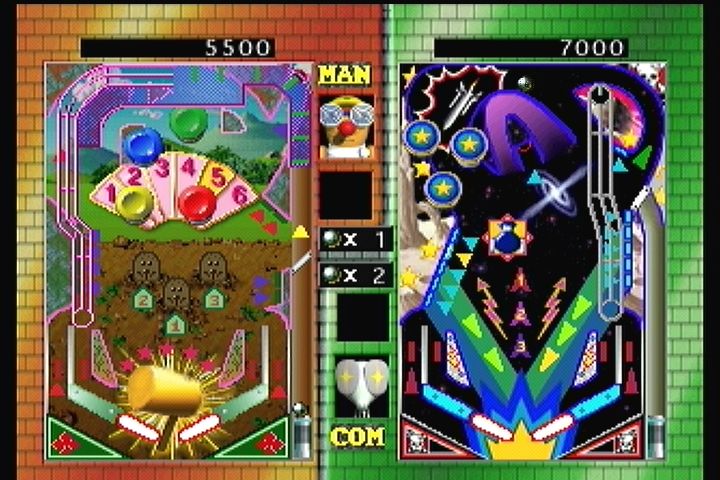
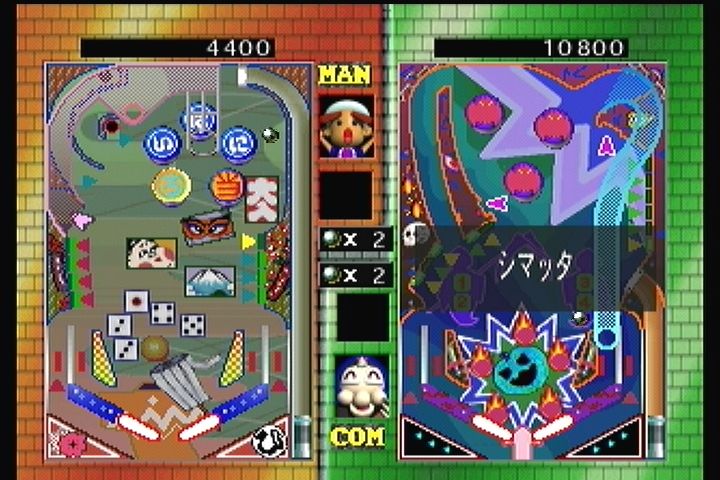
Battle Pinball gets to its point quickly: you are not just trying to survive on a pinball table, but trying to outscore an opponent doing the same thing beside you. That split-screen race is a smart fit for pinball. A strong streak feels more urgent when you can glance over and know the other side is still piling up points, and a bad ball hurts more when it hands momentum to your rival.
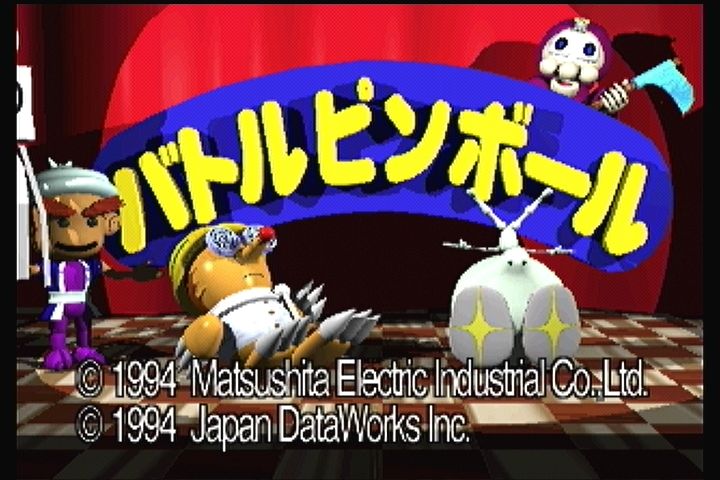
You pick from four characters, each tied to a different table, so there is at least a reason to sample the full roster instead of settling immediately into one board. The fixed viewing angle means you cannot tailor the camera to your preferences; you have to learn each table from the perspective Battle Pinball gives you. That can be a hurdle at first, especially when you are trying to read your own play while keeping an eye on the opposing score.
Local two-player competition is where the concept has the most bite. Pinball scores can often feel solitary, but here every scoring chance becomes part of a head-to-head contest. The computer opponent and the tournament option extend the format when nobody else is around, while the tournament brackets give repeated matches a clearer competitive shape without pretending more than two people are playing at once.
Graphics
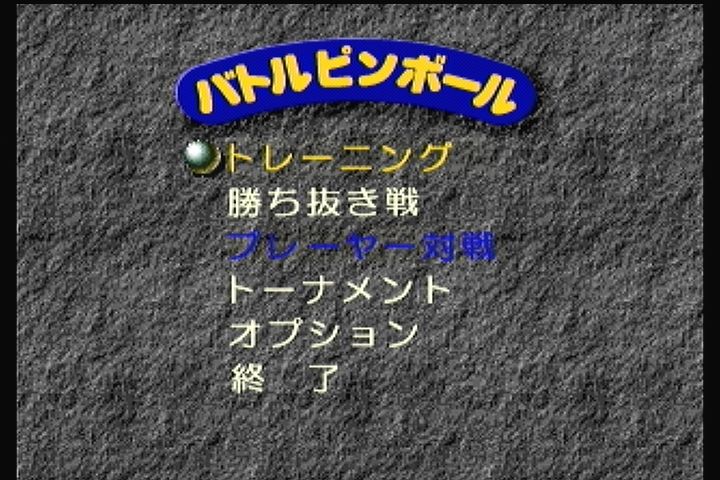
The game uses a fixed-angle view of the tables and splits the screen during matches so both competitors remain visible. Each selectable character has a dedicated table, giving the four choices a distinct on-screen home rather than placing every match on one shared board.
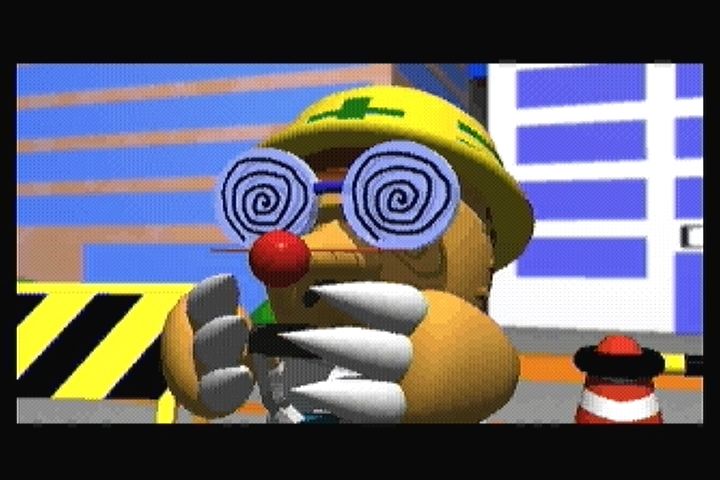
Winning the single-player story battles earns a character-specific CG victory movie. That makes a completed run feel more personal than a plain score screen, even if the tables remain the focus during play.

Story
Story mode is a light competitive ladder rather than a heavily developed tale. Choose a character, face the other three, and work through the matches one by one. It is a simple structure, but it gives solo pinball a destination beyond beating a personal best.
The character-specific CG victory movies are the reward for seeing that route through. They provide a small payoff tied to your chosen character, which is enough to make the initial selection matter more than a cosmetic preference.
Do not go in expecting the story to carry the game on its own. Its job is to frame a set of pinball battles, and it does that cleanly: pick a side, beat the competition, and earn the ending attached to that choice.
Overall Experience
Battle Pinball is most interesting when you want pinball to feel like a contest instead of a private score attack. The first hour is likely to be about adapting to the fixed angle and feeling out the four dedicated tables; once that settles, the score race becomes the real reason to return.
Its limitations are also easy to see. The core activity stays focused on competing for points, and the tournament does not turn into a larger simultaneous multiplayer game. If you want deep narrative or a flexible camera, this will feel narrow. If a tense, immediate pinball duel sounds better than a solitary high-score chase, the format has a real pull.
The solo modes add useful structure, especially with the character endings waiting at the end of story mode, but playing against another person is the clearest recommendation. Bring someone willing to chase points, accept that the camera is fixed, and Battle Pinball’s small-scale rivalry can make each ball feel consequential.


Reviews
There are no reviews yet.