 Retro Replay Retro Gaming History, Reviews & Emulation
Retro Replay Review
Gameplay
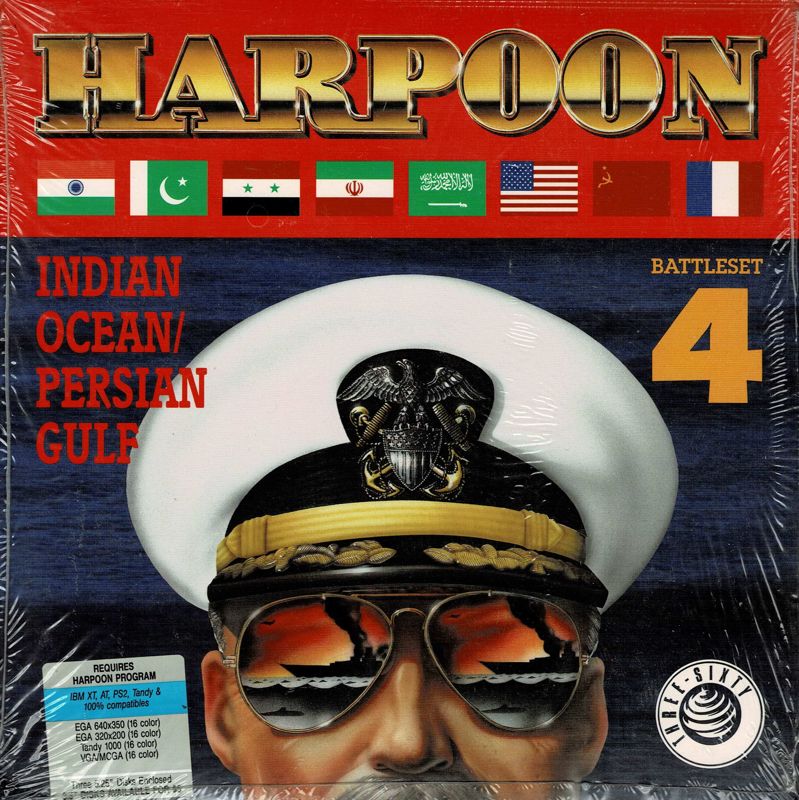
BattleSet 4 earns its keep by changing the questions Harpoon asks of you. The first hour is less about learning a new game than absorbing a new theatre: the Indian Ocean and Persian Gulf bring a different geopolitical frame to a series largely associated with hypothetical NATO-versus-USSR confrontations. That shift matters. Even before a scenario has fully unfolded, the Iran-Iraq material and Gulf War context make the conflicts feel more specific than another Cold War what-if.
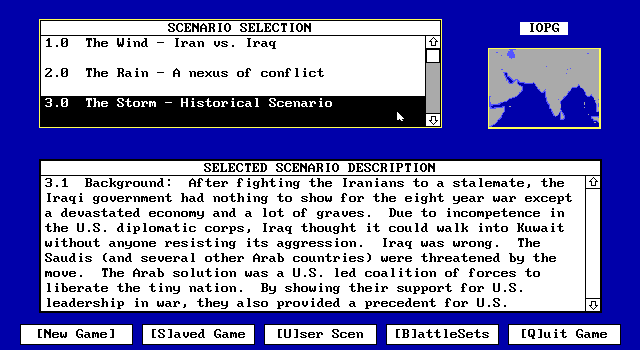
There are 16 scenarios, and the ability to play from either side gives the set more life than a one-direction campaign package. You can return to the same confrontation with a different stake in its outcome, rather than merely replaying it for a cleaner result. The added mix of ships, submarines, aircraft, stealth aircraft, and weapons also broadens the military pieces involved in these regional conflicts, with cruise missiles among the notable additions.
The catch is straightforward: this is an add-on for the original Harpoon, not an easy entry point for someone curious about naval strategy. Its value depends on whether you already enjoy Harpoon’s particular brand of serious operational conflict. If you do, the new theatre and scenario selection are a meaningful expansion. If the base game’s methodical warfare never clicked for you, extra hardware and a larger map will not suddenly change your mind.
Graphics
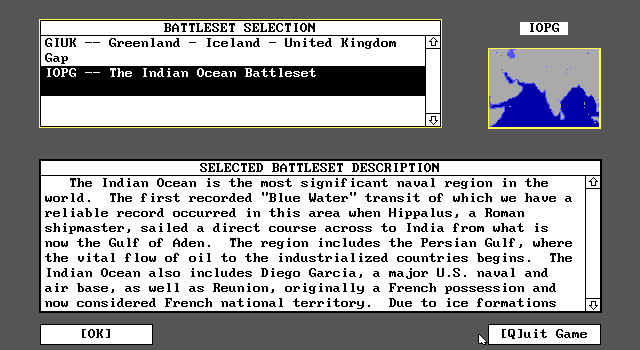
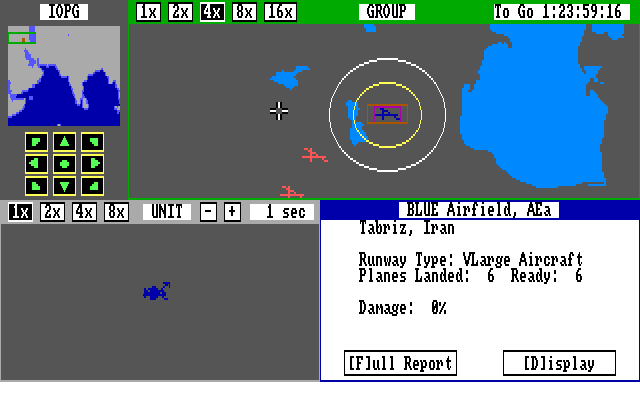
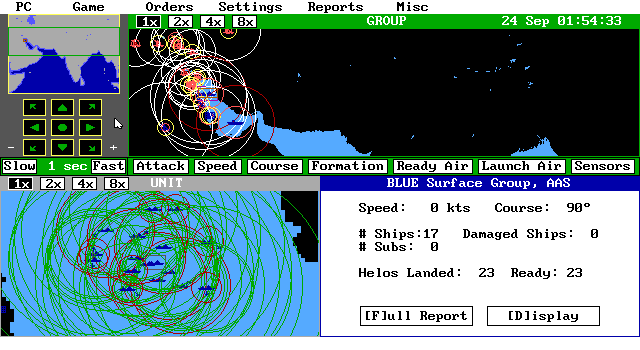
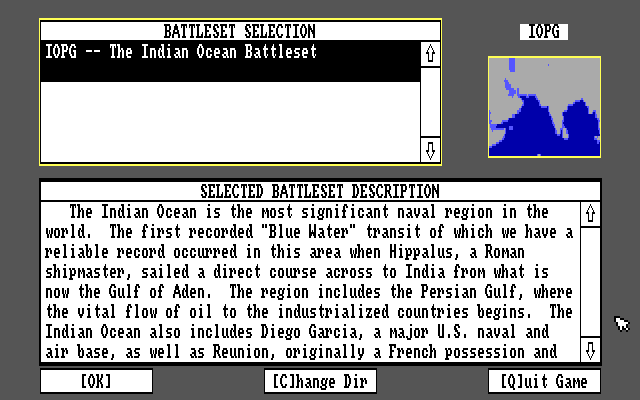
The major visual addition is the new Indian Ocean map, including the Persian Gulf. More than a cosmetic backdrop, it gives this BattleSet a distinct geographic face and separates it from the series’ more familiar European and North Atlantic concerns.
Story
There is no single linear tale carrying you forward here; the scenarios are the storytelling. BattleSet 4’s strongest move is grounding its missions in local conflicts, particularly Iran versus Iraq, instead of treating every crisis as a superpower standoff.
The 1991 Gulf War mission is especially important to the package’s character. A historical scenario sits differently from a purely hypothetical matchup: it asks you to engage with a conflict that has real-world weight, and it gives the BattleSet a sharper identity than its title’s broad regional label might suggest.
That mix of historical and hypothetical material is well judged. You get the tension of alternate military outcomes without losing the regional specificity that makes the Indian Ocean and Persian Gulf setting worth visiting in the first place.
Overall Experience
As the final BattleSet published for the original DOS Harpoon, Indian Ocean / Persian Gulf feels like a confident attempt to push the game beyond its standard Cold War lane. It is not just more of the same map space: the setting, countries, and scenario subjects give veteran Harpoon sessions a different flavor.
The payoff is strongest for established Harpoon fans who want fresh conflicts rather than a gentler or flashier version of the original game. Sixteen scenarios, two-sided play, and a larger roster of military units make it a solid amount of material, while the Gulf setting supplies the focus that an expansion needs.
Give it a chance if you already enjoy turning Harpoon’s naval warfare over in your head and want scenarios with more regional and historical texture. Newcomers should start with the base game; veterans can treat BattleSet 4 as a worthwhile late expansion whose setting does more than simply redraw the map.


Reviews
There are no reviews yet.