 Retro Replay Retro Gaming History, Reviews & Emulation
Retro Replay Review
Gameplay
The hook is the tension before orders are even written. You begin in spring 1901 with Europe divided among major powers, armies and fleets poised at borders, and no move free of political meaning. A unit pushed toward a neighbour may protect you, threaten them, or do both at once. That uncertainty is where Computer Diplomacy earns its name.
Each campaign moves through diplomacy, order writing, and execution. It is a disciplined structure that makes you live with your decisions: first make your case, then commit your moves, then watch the consequences unfold. Unlike a strategy game where you can solve every problem by building a bigger force, success depends on strategic positioning and on making deals that remain useful for at least one more turn.
The seasonal progression gives the game its slow-burn pull. Spring 1901 becomes autumn 1901, then spring 1902, and each new campaign carries the grudges and opportunities created by the last. Frustration can set in when a plan unravels because another power turns hostile, but that is also the point. You are not merely arranging units; you are trying to stay alive in a continent where trust has practical value.
Graphics
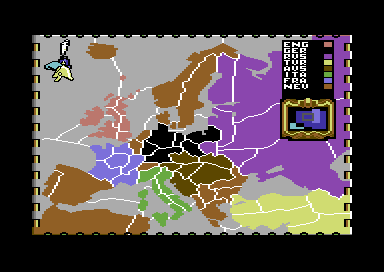
The game uses a top-down strategic view suited to watching armies and naval forces contest Europe. Its visuals serve the board-game map and the changing positions of your forces rather than chasing drama.
Story
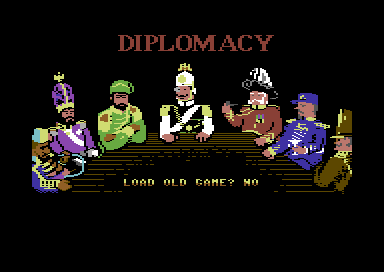
There is no authored adventure to carry you from scene to scene. Instead, the story comes from the campaign itself: the power you choose, the borders you test, and the agreements you decide are worth risking.
That makes its drama unusually personal. One campaign might turn into a careful partnership built around mutual security; another can become a bitter response to a rival whose actions have made them hostile. The game understands that in Diplomacy, a shift in attitude can matter as much as a successful move.
The early-20th-century European setting gives all of this a familiar geopolitical frame without distracting from the board-game contest. You supply the motives. Every advance, retreat, and broken deal becomes part of the history your particular match creates.
Overall Experience
Computer Diplomacy is for the strategist who enjoys sitting with a difficult decision. It asks you to think ahead, weigh alliances against expansion, and accept that a campaign can be damaged by a choice that seemed sensible one season earlier. That patience is not incidental; it is the whole meal.
Its strongest quality is that military planning and diplomacy are inseparable. Occupying the right space matters, but so does whether your move convinces another power that you are a partner, an enemy, or an immediate problem. Few strategic setups create that kind of pressure from such a straightforward sequence of phases.
Give it a chance if you want a faithful-feeling contest of nerves and long-term planning, especially with a full group ready to bargain and bluff. Skip it if your ideal turn-based game rewards quick tactical fireworks. For the right crowd, the payoff is a campaign that remains tense long after the first orders are issued.


Reviews
There are no reviews yet.