 Retro Replay Retro Gaming History, Reviews & Emulation
Retro Replay Review
Gameplay
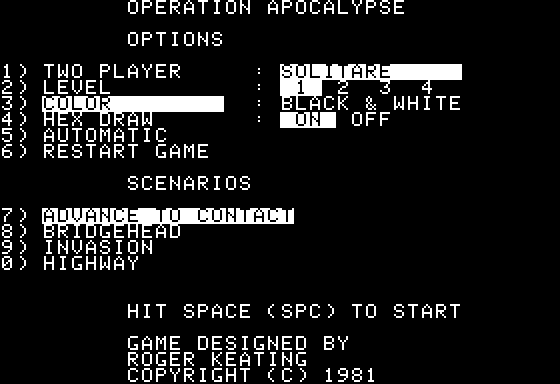
The first few minutes of Operation Apocalypse ask you to do real wargaming work. You choose from Advance To Contact, Bridgehead, Invasion, and Highway, then place your own troops before play begins. Because the computer assigns equal forces to each side, you cannot lean on a stronger army to bail out a sloppy opening. The central question is simple and satisfyingly severe: where can you put your units so the terrain helps you more than it helps the enemy?
That equal-force setup is the game’s strongest idea. It turns each scenario into a contest of deployment and turn-by-turn judgment, not a hunt for the most overwhelming side. Variable terrain across the hexes keeps the board from feeling like a blank mathematical grid; you have to account for the ground when deciding how to proceed. When a plan begins to click, it is because you have read the map better, not because the game handed you an advantage.
The friction is that this is a deliberately narrow solo experience. You are revisiting four scenarios rather than moving through a broad campaign, and the core activity remains careful hex-based maneuvering against the computer. That can feel dry if you want a war game full of narrative momentum or constant surprises. If you enjoy replaying a tight tactical problem at different difficulty levels, though, the structure has a clear purpose: improve your opening, correct your positioning, and see whether a harder setting exposes a flaw you missed.
Graphics
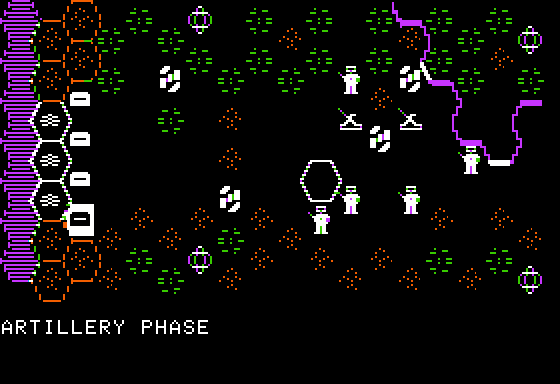
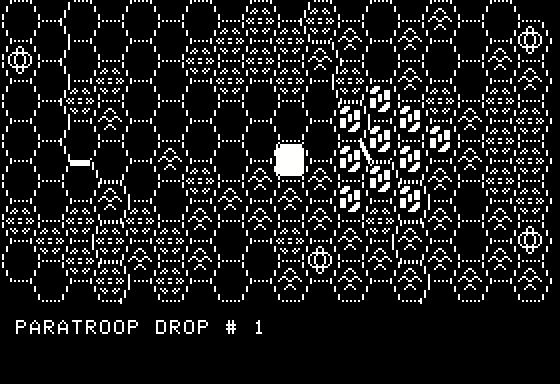
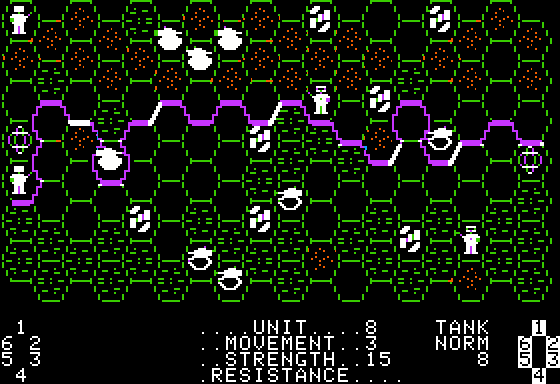
The game uses a top-down hex-map view suited to its subject. Troops are placed directly onto individual game hexes, and the changing terrain is the important thing your eye needs to track as you plan a route or set a defensive line. It is a functional battlefield view built around following positions on the map.
Story
There is no character-driven WWII tale here. The game frames its action through four land-operation scenarios—Advance To Contact, Bridgehead, Invasion, and Highway—rather than through named soldiers or a continuing campaign.
That stripped-down approach fits the design. Each scenario suggests a different military problem, but the story you take away comes from the match itself: the line you chose to hold, the opening placement that boxed you in, or the plan that finally worked after a previous defeat.
If you need a wargame to supply historical personalities and dramatic scenes, this will feel remote. If you are happy to create the tension through your own decisions on the map, the scenario framing is enough to give each attempt a distinct military context.
Overall Experience
Operation Apocalypse is a focused 1981 solitaire wargame with little interest in easing you in. Its appeal comes from a fair-minded premise: both sides begin equal, so your placement and handling of the terrain decide whether you gain the upper hand. That makes victories feel earned, while losses are likely to send you back to the opening deployment wondering what you should have done differently.
The four difficulty levels give the game a sensible ladder for learning its scenarios. Start lower if you are getting used to the rhythm of placing units and judging terrain; move upward once you can form a plan without merely reacting to the computer. The payoff is not spectacle but the clean satisfaction of solving a stubborn operational problem under stricter pressure.
Give it a chance if you want compact, turn-based WWII map puzzles and do not mind supplying your own patience. Skip it if you want a story-heavy war game, a large roster of scenarios, or a strategy game that distracts from its rules with a lot of extra activity. For the right kind of solo strategist, its sparse setup is not a limitation so much as a challenge laid plainly on the table.


Reviews
There are no reviews yet.