 Retro Replay Retro Replay gaming reviews, news, emulation, geek stuff and more!
Retro Replay Review
Gameplay
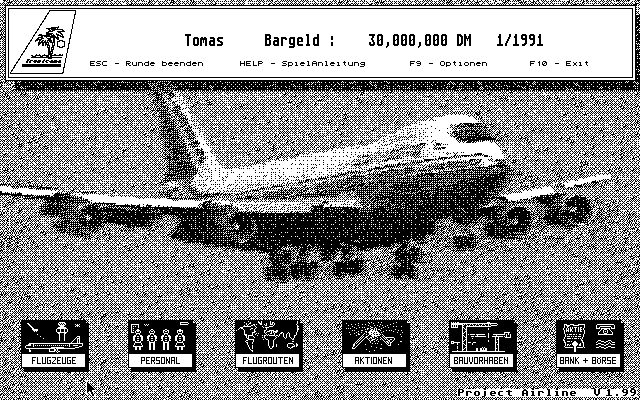
The first hour of Project Airline has a satisfying, slightly intimidating open-table feel. You begin with 30 million DM, a choice of 14 aircraft, and enough possible investments to make every early decision feel consequential. It is easy to understand the fantasy: build an airline from scratch, buy planes from a fleet largely made up of Airbus and Boeing options, hire the people to run it, and start claiming routes.
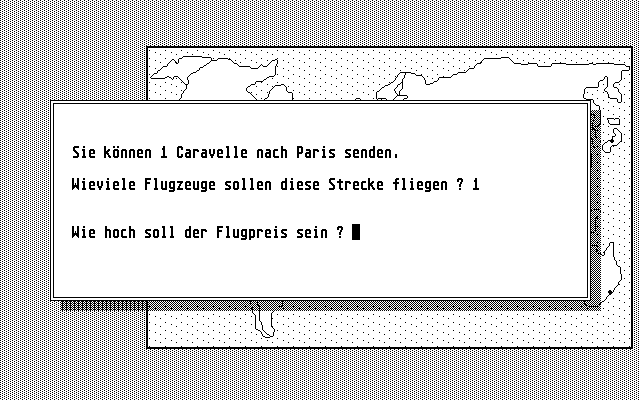
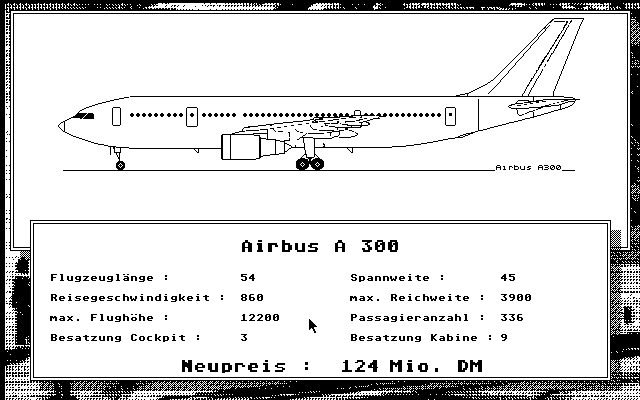
Route planning is where the game’s aviation theme earns its place. A destination is not simply available because you want it; the aircraft’s range determines where it can go. That makes fleet buying more than a matter of picking a favorite plane. Before spending, you need to think ahead about the routes you want to establish, because a cheaper or more limited aircraft can narrow your options immediately.
There is also a welcome willingness to let you play dirty. Investments in hotels and stocks broaden the money game beyond aircraft and personnel, while sabotage gives competitors a way to interfere with one another rather than quietly optimizing in isolation. That can turn a careful plan into a more cutthroat contest, especially under a bankruptcy rule where surviving matters more than looking efficient.
The three victory settings are not a minor rules toggle; they change the tempo. Playing for the most money when time expires favors a strong closing position. Racing to a money limit puts pressure on every investment. Playing until only one airline remains invites a more ruthless, longer-form approach. Pick the condition that matches your patience, because Project Airline’s decisions gain or lose their bite based on what the finish line asks of you.
Graphics
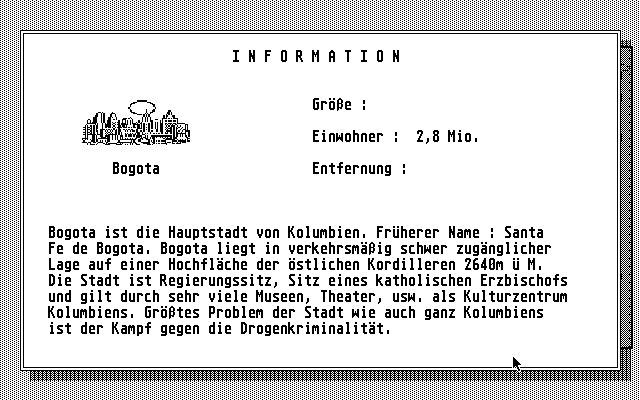
Project Airline keeps the focus on the managerial side of aviation: choosing aircraft, setting routes, and tracking an expanding business rather than putting you in the cockpit. The planes matter primarily as distinct fleet choices with different route reach, which fits the game’s practical, numbers-first viewpoint.

Story
There is no need for a scripted airline drama here. The story comes from the company you build: an empty operation, a first aircraft purchase, a new route opening up, and the uneasy knowledge that rival managers are trying to win by the same rules—or by sabotage.
That makes the stakes pleasantly personal. When you spend part of the opening 30 million DM on a plane, staff, a hotel, or stocks, you are writing the character of your airline through your priorities. Are you building a route-focused carrier, spreading your money across investments, or looking for leverage over opponents?
The bankruptcy mode gives that emergent story its clearest arc. Instead of simply trying to hit a total, you are trying to remain standing after everyone else has been pushed out. It is a simple premise, but it gives rivalry and sabotage a sharper purpose than they would have in a solitary accounting exercise.
Overall Experience
Project Airline is a compact airline-management game with a sturdy core: money, aircraft range, routes, staffing, investments, and rival interference all pull on the same central question of whether your airline can outgrow the competition. It is most appealing when you enjoy making a plan, seeing its constraints, and adapting rather than being handed a single obvious route to victory.
The shareware version’s 12-game-month cap is useful for getting a quick taste of the system, but it also puts a hard limit on how far an airline can develop in that edition. That favors decisive play and gives timed matches a natural urgency, though anyone who wants the satisfaction of a long, bruising battle for the last surviving company will feel the restriction.
Give Project Airline a chance if the thought of comparing aircraft range, balancing business investments, and competing under different win conditions sounds more exciting than flying the aircraft yourself. Its age shows in the narrow, rules-driven scope, but the central management puzzle remains appealing: spend carefully, choose routes with purpose, and do not assume your rivals will play nice.


Reviews
There are no reviews yet.