 Retro Replay Retro Gaming History, Reviews & Emulation
Retro Replay Review
Gameplay
The immediate attraction is not a new rule set but a new question: what happens when American Pacific Fleet ships enter an Atlantic conflict? For a game built around naval engagements, that is the kind of expansion premise that can pull you back in quickly. You are returning to familiar waters with cruisers, destroyers, and battleships that alter the fleet choices available to you.
The nine added vessels cover several useful categories. New Orleans- and Pensacola-class cruisers sit beside Gearing- and Fletcher-class destroyers, while Iowa- and South Dakota-class battleships bring the heavy end of the roster. That range matters more than a handful of near-identical additions would; the expansion gives you reasons to revisit the game’s tactical situations with a different lineup in mind.
There is also enough structured material to make the new ships more than a museum-piece roster: one campaign, two operations, and ten battles. Start with the standalone battles if you want to sample the alternate-history matchups, then move into the campaign when you are ready to spend more time with the fleet. The frustration is that this is firmly an add-on, not a reinvention. If the pace and demands of the original naval simulation never clicked for you, American hulls will not change that.
Graphics
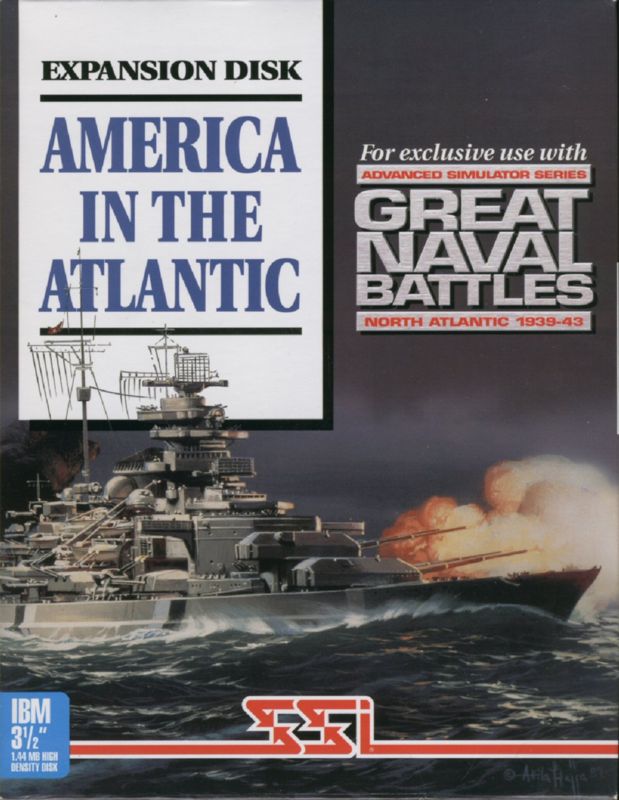
The most concrete visual change is the expanded American fleet itself: the add-on introduces named cruiser, destroyer, and battleship classes rather than merely relabeling the conflict. The ship selection is broad enough that the new battles have a more distinctly American character.
Story
This is a what-if war story rather than a character-driven one. Its central fiction moves ships of the American Navy’s Pacific Fleet into the Battle of the Atlantic, inviting you to consider a different distribution of naval power during 1939–43.
That premise works because it is specific. It does not ask you to buy into an entirely invented war; it shifts a recognizable group of American ships into a familiar theater and lets the military possibilities do the talking.
The campaign, operations, and individual battles give that idea several scales to play with. Do not come looking for dramatic plot twists or a cast of personalities. Come for an alternate-history frame that makes returning to Atlantic engagements feel freshly contested.
Overall Experience
America in the Atlantic is the right sort of expansion: narrow in scope, clear in purpose, and aimed squarely at people who already have room for more Great Naval Battles. The new ships are not random extras; they serve a coherent scenario hook and arrive with enough battles to justify learning their place in the fleet.
Its modest scale is also its limit. One campaign and two operations will not sustain you forever, and there is no indication that the expansion tries to overhaul the parent game. But if you enjoyed weighing naval forces in the original, the chance to bring Iowa-, South Dakota-, Fletcher-, Gearing-, New Orleans-, and Pensacola-class vessels into this Atlantic what-if is a meaningful reason to return.
Give it a chance if you want more battles from a naval game you already like and enjoy alternate-history military matchups grounded in real ship classes. Skip it if you need a self-contained entry point or a radically different experience. For its intended audience, it is a compact, thoughtful extension rather than essential new territory.



Reviews
There are no reviews yet.