 Retro Replay Retro Gaming History, Reviews & Emulation
Retro Replay Review
Gameplay
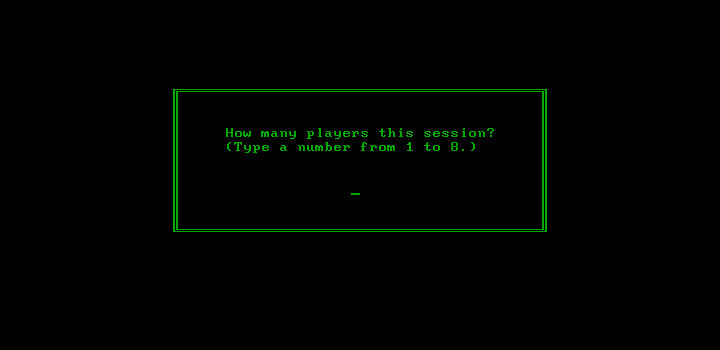
The first few minutes are wonderfully blunt. You choose a maze, pick a marker speed from 1 to 9, decide whether you care about time or points, and then it is just you, the keypad, and a route that needs solving. That lack of ceremony works in its favor: the game is immediately legible, and a bad run is easy to blame on your own hurried input or shaky memory.
Using only the numeric keypad makes movement feel more like operating a small machine than playing a loose arcade game. At lower speeds, you can concentrate on mapping the corridors; turn the speed up and every turn asks for commitment. The score combines maze level, speed, and completion time, so there is a real reason to revisit a maze you already escaped rather than merely checking it off a list.
The difficulty structure is the main hook. Ten mazes sit in each of the first ten levels, followed by a single final maze, and the later layouts add trap doors and invisible walls. Those hazards turn the exercise from route-finding into cautious experimentation. Frustration can bite when a hidden obstacle ruins a confident attempt, but that is also where the game earns its tension: you start treating knowledge as the real power-up.
This is not a maze game for someone wanting a gentle puzzle tour. It asks you to enjoy repetition, practice, and score improvement. If that sounds like work, the spare format will wear thin fast. If you like old arcade design that lets a tiny ruleset become demanding through speed and precision, it has more depth than its premise initially suggests.
Graphics
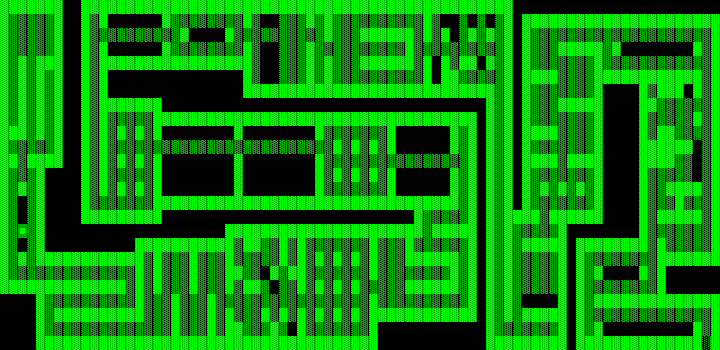
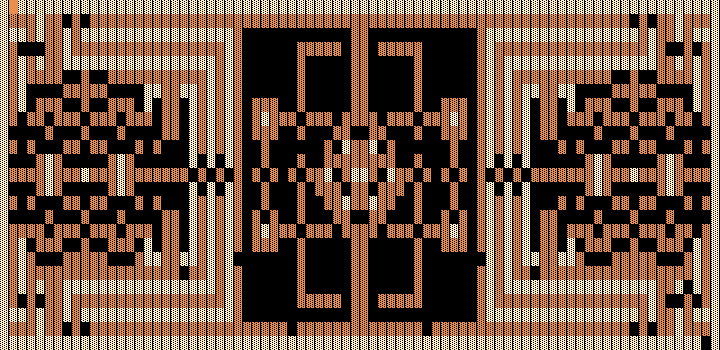
The monochrome screen uses high-intensity, low-intensity, and black shades to separate the maze elements. It is a stripped-down look, but it suits the task: your attention stays on corridors, your marker, and the hazards that become important as difficulty rises. Nothing distracts from reading the maze and moving decisively through it.
Story
There is no character journey to carry you from one maze to the next. Instead, the game builds a tiny personal story out of recognition: the corridor you misread, the route you finally remember, and the run where you dare to push the speed setting higher.
That makes progress feel self-authored. Selecting a maze number lets you define the next challenge, while timed and point-value scoring give the same layout different stakes. One session can be about surviving a tricky route; the next can be about proving you can do it faster.
The hazards in the tougher mazes supply the closest thing to escalation. Trap doors and invisible walls make later attempts feel less like abstract navigation and more like learning the tricks of a hostile course. It is a modest framework, but it gives persistence a purpose.
Overall Experience
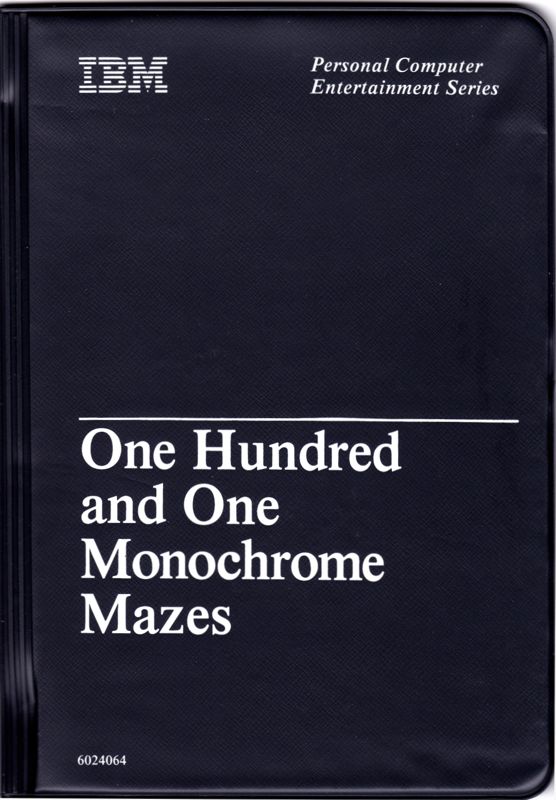
One Hundred and One Monochrome Mazes is a compact, hard-edged score game with a strong practice loop. The sheer number of mazes matters because the game lets you tune both speed and scoring style, not because it dresses each challenge in a lot of extra context. You can sit down for one attempt, then find yourself restarting because you know exactly where the previous run slipped away.
Its limits are equally clear. The keypad-only input and severe monochrome look make it feel firmly rooted in early DOS design, and the game offers little cushioning when a difficult maze catches you out. You need to bring patience and a taste for mechanical self-improvement.
For the right mood, though, that severity is the point. It is an honest test of navigation, recall, and nerve under speed pressure, with later hazards ensuring the challenge does not stay static. If this particular corner of vintage game design appeals to you, the related One Hundred and Eighty! may also be worth a look.


Reviews
There are no reviews yet.