 Retro Replay Retro Gaming History, Reviews & Emulation
Retro Replay Review
Gameplay
Kiwame II gets straight to the part that makes shōgi so absorbing: the board asks you to plan ahead while staying alert to immediate threats. The first hour can be humbling if you are rusty, because pieces do not forgive casual moves and the stronger AI is there to punish loose play. That severity is also the point. A win feels earned because you can trace it back to a patient sequence of decisions rather than a lucky break.
The sequel’s higher AI level is a meaningful upgrade for anyone who already exhausted the challenge in Kiwame. You are not buying a radically different game; you are buying a more demanding opponent in a familiar format. That makes it a better fit for someone who knows the basics and wants to sharpen their play than for a newcomer hoping for lots of guidance or variety.
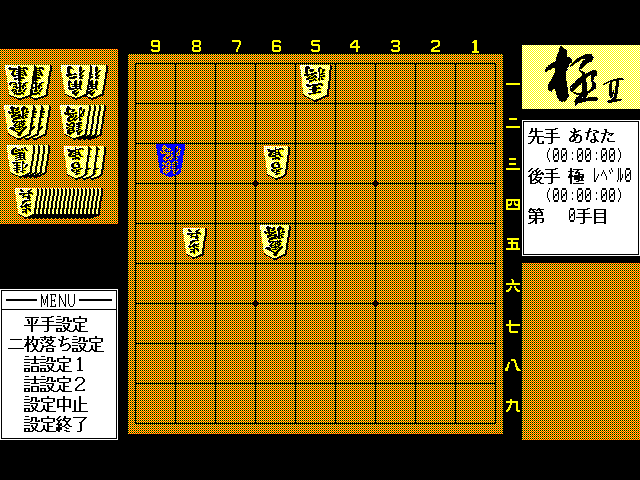
Its best extra is the option to arrange pieces yourself. This turns Kiwame II into a useful practice board: set up a position, inspect possible continuations, and keep returning until the answer starts to make sense. It also gives the game life beyond ordinary matches. When an AI defeat leaves you wondering where your plan collapsed, making a similar position yourself is a satisfying way to investigate it.
Graphics
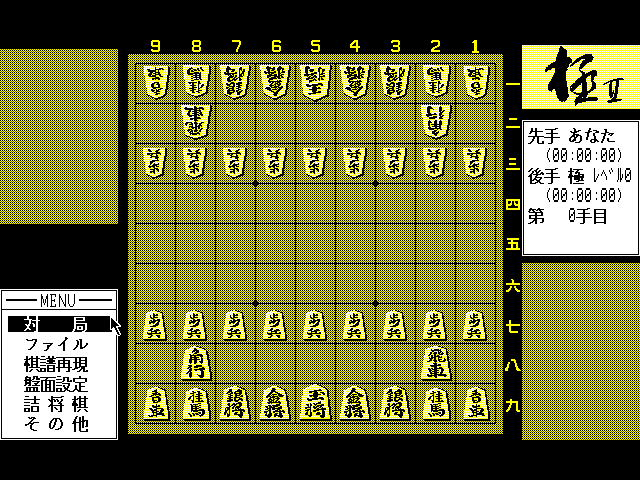
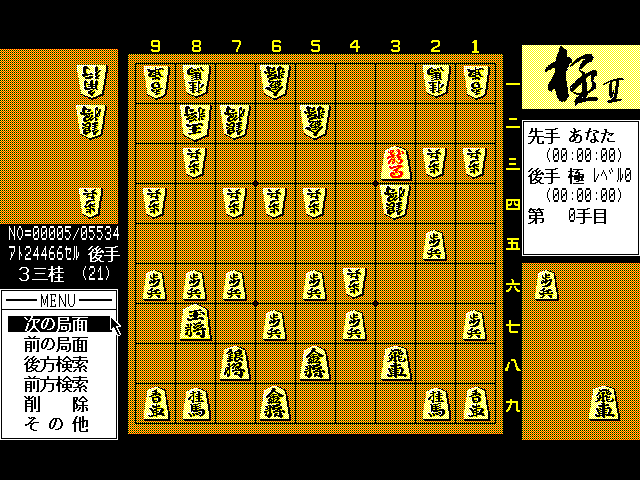
Kiwame II keeps the same basic look as its predecessor, centering the action on the shōgi board and its pieces. The board-focused view suits a game where following placement and movement matters more than ornament, though it also means this sequel does not offer much visual novelty alongside its stronger opponent.
Story
Kiwame II finds its drama in the match itself. A quiet opening can become tense once a piece is committed too far forward, and a position that looked controlled can suddenly demand an exact response. That kind of self-made tension is familiar to shōgi players, and the game wisely puts it at the center.
There is no need for a grand tale when each game can produce its own little narrative: a cautious plan, an overreach, a recovery attempt, or the slow realization that the opponent has been building toward a decisive advantage. The stronger AI makes those reversals feel more credible because it asks you to respect the board.
The custom setup option adds another layer to that drama. Instead of only accepting the positions a normal match creates, you can make a troublesome situation and revisit it until you understand it. For a strategy fan, that reflective side can be more memorable than a one-off victory.
Overall Experience
Kiwame II is a narrow but honest sequel. It preserves the prior game’s shōgi foundation, raises the opposition, and adds a tool that serious players can actually use. If you wanted a substantially new take on the game, its close resemblance to Kiwame will feel conservative. If you wanted better resistance and more room to study positions, that restraint is exactly what makes sense.
Frustration will set in when the computer exposes gaps in your calculation, especially if you treat the match like a quick board-game diversion. Give yourself time to consider exchanges and piece placement, though, and the game begins to reward patience. The payoff is not spectacle; it is the satisfying moment when a position you once found intimidating becomes understandable.
Recommended for shōgi fans, particularly anyone moving on from Kiwame and wanting a harder computer rival. Newcomers can still learn from it, but they should come prepared to learn through play and repeated mistakes. Kiwame II knows exactly what it wants to be: a serious digital shōgi board with a tougher sparring partner.



Reviews
There are no reviews yet.