 Retro Replay Retro Replay gaming reviews, news, emulation, geek stuff and more!


Retro Replay Review
Gameplay
Power Mission starts with a pleasingly nerve-racking setup: you arrange your fleet on your half of the battlefield, knowing the other side is doing the same somewhere beyond your sight. From there, turns become a compact contest of nerve. You have only so many moves to spend, and every one spent on movement, radar scouting, or an attack means giving up another option.
That hidden-information structure is the game’s strongest idea. You cannot simply point your strongest ship toward a target and start trading blows, because locating the enemy is part of the fight. Radar use turns reconnaissance into a meaningful commitment, and discovering an opposing unit should change how you spend the rest of a turn. When that rhythm clicks, the game feels more thoughtful than its straightforward destroy-the-fleet objective suggests.
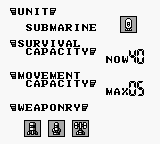
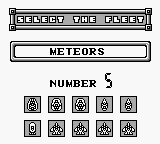
The five selectable fleets, built from combinations of eight unit types, are where replay value comes from. Differing attack strength and range mean unit placement matters from the opening deployment onward. A fleet and formation that favor reaching out at range invite a different pace from one that needs to close distance, so it is worth experimenting rather than assuming one opening plan will fit every map.
Frustration can set in when your scouting leaves a unit in danger or when a limited turn forces an uncomfortable choice between gaining information and pressing an advantage. That is also the point: Power Mission wants you to live with the consequences of incomplete knowledge. If you enjoy turn-based tactics that reward patience and careful positioning over quick reactions, this is a sturdy little naval duel.

Graphics
The top-down battlefield view keeps the naval action easy to parse. With fleets split across opposing halves of the map and enemy positions concealed until radar finds them, the simple overhead layout suits the game well: you can concentrate on spacing, range, and the uncertain water ahead.

Story
Power Mission frames its conflict as a sequence of fleet engagements rather than a character-driven adventure. The objective stays clear and appropriately blunt: locate and completely destroy the opposing fleet.
In single-player, the sense of progression comes from working through all eleven maps in order. That structure gives the campaign a clean forward pull, even though the central drama remains on the board—what is hidden, what has been found, and whether your fleet can finish the job.
This makes the game easy to return to in short sessions. You are not carrying a complicated plot between battles; you are carrying lessons about deployment, scouting, range, and how aggressively you can afford to search for contact.
Overall Experience
Power Mission is a focused Game Boy strategy game built around one strong source of tension: the sea is full of threats you cannot see yet. Its limited moves and radar-based discovery make even a small battle feel like a series of consequential decisions rather than a routine exchange of attacks.
The campaign’s eleven-map structure is compact, and the basic goal never becomes hard to understand. What keeps it from feeling flat is the interaction between the different fleets, unit attributes, and the need to uncover the enemy before you can eliminate them. Give it a little time, and its restrained rule set starts producing satisfying tactical dilemmas.
It will suit you best if you like measured, turn-by-turn planning and can enjoy a game that makes uncertainty part of the challenge. Go in ready to scout carefully, protect your formation, and rethink your fleet choice when a map exposes the limits of your usual approach. The payoff is a concise naval tactics game with more bite than its simple premise initially reveals.


Reviews
There are no reviews yet.