 Retro Replay Retro Gaming History, Reviews & Emulation
Retro Replay Review
Gameplay
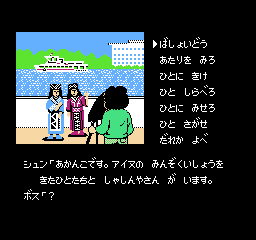
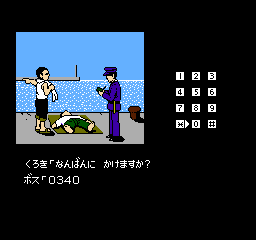
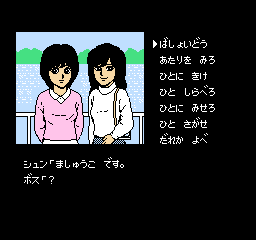
The first hour puts you in a pleasingly hands-on detective mindset. A corpse in Tokyo Bay becomes a trail toward Hokkaido, and every new location asks you to think like an investigator rather than simply wait for the next cutscene. The menu of actions keeps the basic routine clear: travel, question people, take evidence, show items, photograph, and keep pursuing the lead.
That menu is more than a convenience. Compared with parser-driven adventures, choosing from commands makes it easier to focus on the case instead of guessing which sentence the game wants. The important wrinkle is Examine. At times you must point to a particular part of the pictured scene, turning an otherwise text-led investigation into a small visual search. When you notice the spot the case needs you to inspect, it feels appropriately like catching a detail everyone else missed.
The same structure can create friction. A mystery game built around finding the next clue naturally asks for patience, and the need to inspect precise parts of a scene can leave you searching when your line of inquiry goes cold. Still, the verbs are simple and purposeful, so the frustration comes from the investigation itself rather than from wrestling a text parser. Give it a chance if you enjoy slowing down, revisiting the evidence in your head, and earning the next breakthrough.
Graphics
The game uses a first-person adventure viewpoint, with pictured locations that you investigate directly through the Examine command. Those scenes matter mechanically: you are sometimes asked to point at a specific area rather than merely select an option from the command menu.
Story
This is a proper murder mystery, not a thin excuse to move between puzzles. The opening discovery in Tokyo Bay has immediate momentum, then the investigation heads to Hokkaido and keeps widening as further murders emerge. That escalation gives the case a strong reason to keep moving: each answer suggests a larger problem rather than neatly closing the book.
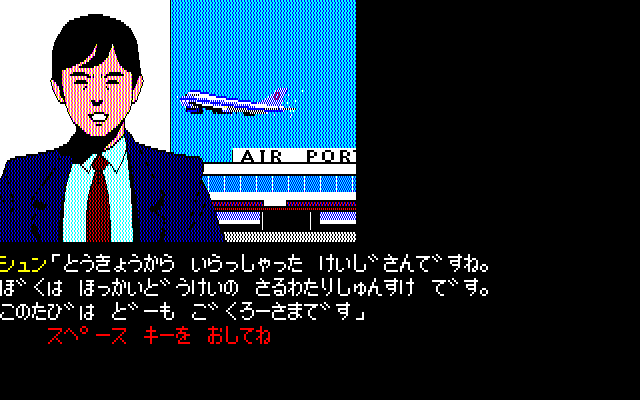
You play a Tokyo police detective and name the character yourself, which makes the role easy to inhabit. Shun Saruwatari, the local officer assisting the investigation, gives the journey a clear partner without displacing you from the detective’s seat. The premise understands that a good procedural needs both a destination and a companion, and Hokkaido supplies both a new jurisdiction and a string of real tourist locations to visit.
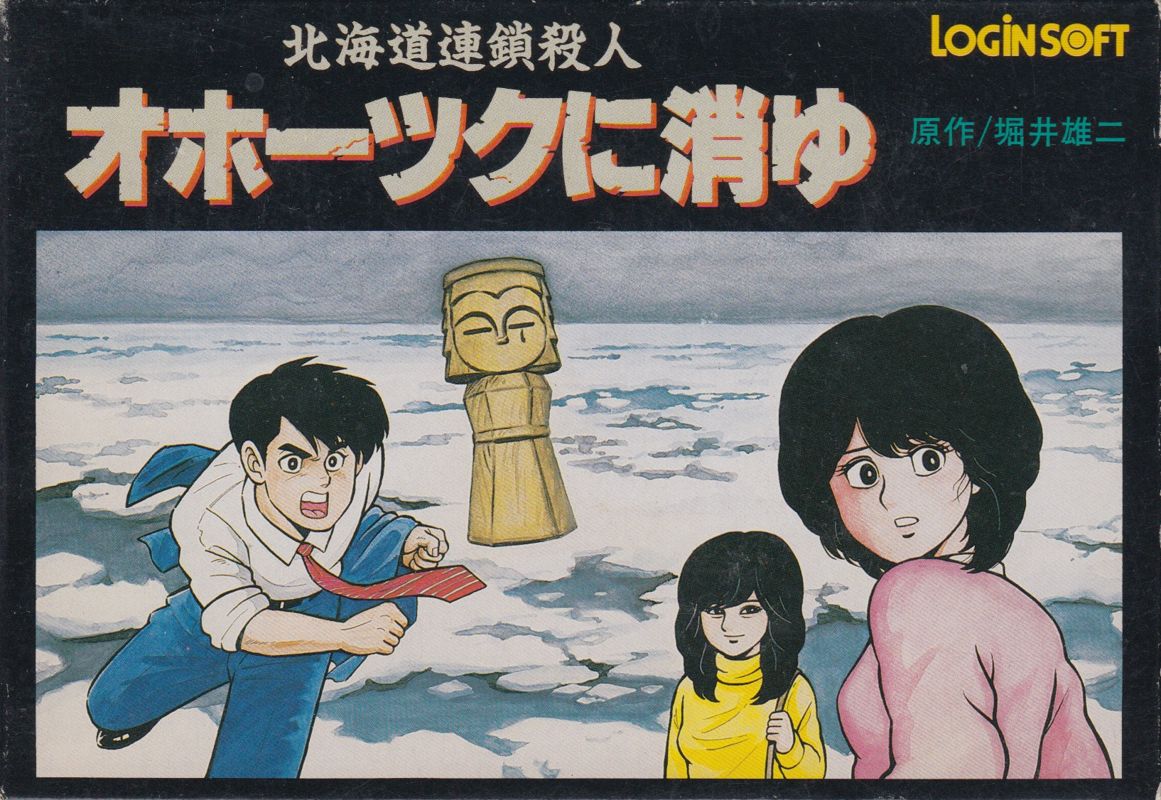
Yuji Horii’s follow-up to The Portopia Serial Murder Case keeps the focus where it belongs: following clues until the shape of the truth comes into view. If you want fast action or a breezy sightseeing tour, its murder-heavy plot may feel deliberate. If you want a case that keeps adding complications, that steadily expanding scope is the reward.
Overall Experience
Hokkaidō Rensa Satsujin: Okhotsk ni Kiyu is compelling because it makes the small acts of police work feel central. Asking the right question, showing the right object, choosing where to go next, and inspecting a suspicious corner are not side activities around the mystery; they are the mystery. You spend your time trying to move a case forward one credible lead at a time.
Its age shows most in the trial-and-error risk inherent to command adventures, especially when a precise examination is required. Yet the move away from a parser is a genuinely player-friendly choice. You have a defined toolbox, so your attention stays on what the crime scene or witness might be hiding.
For fans of Japanese detective adventures, this is an easy recommendation: a focused procedural with a strong opening, a travel-driven investigation, and enough interaction to make you feel responsible for each advance. It will test your patience more than your reflexes, but the case’s growing reach makes that patience feel well spent.


Reviews
There are no reviews yet.