 Retro Replay Retro Gaming History, Reviews & Emulation
Retro Replay Review
Gameplay
Lightning Vaccus: The Knight of Iron gets to the important part quickly: assembling a force for a hex-grid battle. Before each operation, you pick from a roster that includes the signature AD mecha alongside tanks and mobile rocket launchers, then decide where they begin. That opening deployment is not busywork. It is where you make your first real commitment, and a poor setup can leave you reacting to the enemy rather than directing the battle.
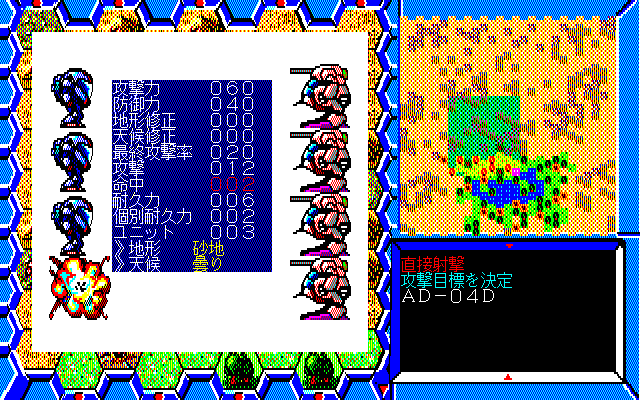
The core loop is deliberately restrained. Move opposing units next to one another and combat resolves automatically on a separate battle screen. If you enjoy strategy games where the crucial decision is positioning for the right fight, that creates a clean, thoughtful rhythm. You are not juggling real-time inputs or manually steering every exchange; you are trying to ensure that the clashes which happen are the clashes you can afford.
That also means Lightning Vaccus can frustrate anyone who wants direct control over attacks once the shooting begins. The payoff for tactical preparation is clear, but so is the sting when an automatic encounter does not go your way. Still, the mix of unit selection, tactical placement, and hex-by-hex maneuvering gives each scenario a purposeful shape. The ability to choose later scenarios adds welcome agency after the opening battle on the Vaccus peninsula.
Graphics
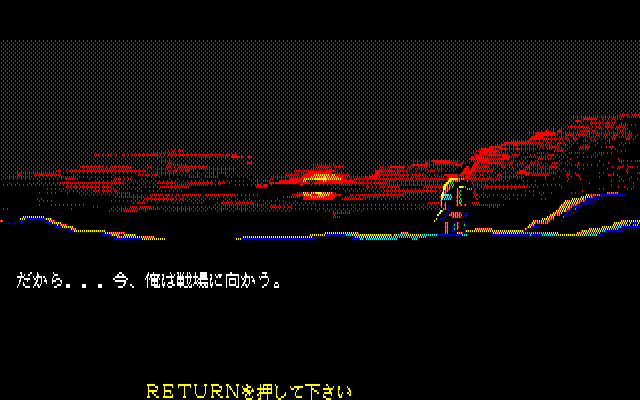
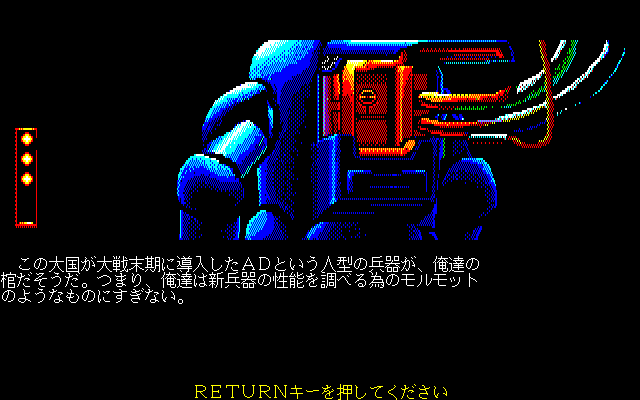
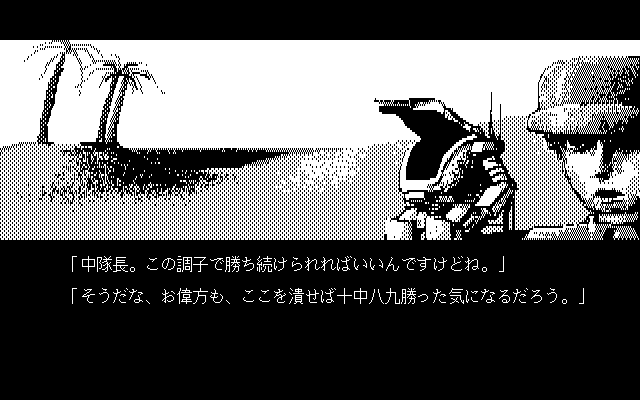
The visuals serve the strategy plainly: battlefield action unfolds across top-down hex maps, while opposing units get their own separate combat screen when they meet. Cutscenes carry the plot between operations, giving the conflict more texture than the map view alone.
Story
There is a familiar sci-fi war framework here—two fictional nations fighting for dominance with powerful AD mecha—but Lightning Vaccus does not leave it at machinery and territory. Its campaign follows an officer burdened by the loss of his teammates, someone who wants the fighting to stop so he can return home. That perspective gives the war a personal cost.
The first scenario grounds the conflict in the battle for the Vaccus peninsula, then later choices let you determine which scenarios to tackle. That structure makes the story feel less like a single straight march and more like a campaign with different fronts to consider, even as the central war remains the focus.
Do not come in expecting the tactical layer to disappear beneath a huge narrative. The story is advanced through cutscenes around the battles, and its strongest hook is the contrast between giant weapons of war and an officer who is tired of losing people. It is a simple dramatic angle, but a good one for a strategy game built around repeated military decisions.
Overall Experience
Lightning Vaccus: The Knight of Iron is for the patient strategy fan who likes making a plan and living with it. Its battles ask you to think ahead at unit selection and deployment, then trust that your map positioning has created favorable encounters. The first hour should tell you exactly whether that cadence works for you.
The automatic-combat structure narrows the game’s appeal, yet it also gives the tactics a distinct focus. Every adjacent enemy unit represents a commitment. You are not merely advancing pieces across a grid; you are deciding when to trigger a fight whose outcome you will have to accept.
For a 1989 MSX strategy game, the combination of hex-based warfare, varied military units, selectable later scenarios, and a weary officer’s viewpoint makes this more than a bare sequence of skirmishes. Give it a chance if you want measured mecha tactics and can enjoy the tension of planning over micromanagement. Skip it if you need hands-on control over every attack or faster, more immediate action.


Reviews
There are no reviews yet.