 Retro Replay Retro Gaming History, Reviews & Emulation
Retro Replay Review
Gameplay
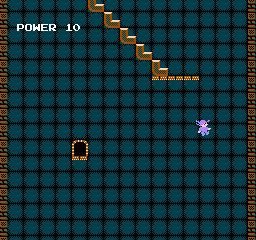
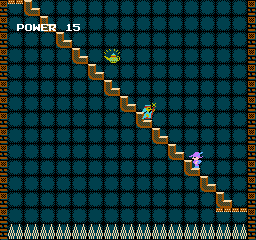
Mystery Tower starts by making its central idea immediately understandable: pick up L-shaped construction blocks, place them to form stairs or bridges, and reach the exit. Then it starts tightening the screws. The blocks are not just convenient platforms; their odd shape makes every placement matter, and the limit on pickups turns a simple route-building problem into a puzzle about planning several moves ahead.
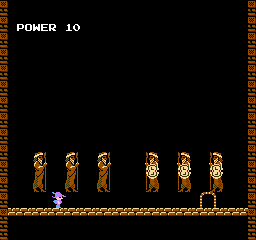
The best rooms create that great puzzle-platformer rhythm where you first scan the room, form a rough plan, and then realize halfway through that the route only works if you preserve one block for the final gap. Roaming bats, golems, and priest guards prevent the game from becoming a purely leisurely construction exercise. You have to think about safe movement as well as architecture, which gives successful runs some welcome urgency.
Frustration arrives when a wrong action leaves the room unsolvable. Mystery Tower is unapologetic about that possibility, but it does at least give you a direct way to kill Indiana Borgnine and reset the room rather than forcing you to carry on with a dead solution. That reset is not a kindness so much as part of the learning loop: fail, inspect the room again, and notice the placement you misunderstood. If you enjoy exacting, self-contained puzzles, the sixty-four-floor climb has real staying power. If repeated restarts make you impatient, its strict rules will wear on you quickly.
Graphics
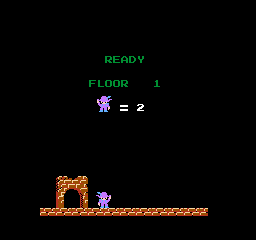
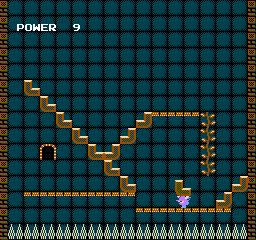
The side-view rooms put the focus on what matters: Indiana Borgnine, the chunky L-shaped blocks, the exit door, and the enemies moving through the space. Bats, golems, and priest guards give the tower’s puzzle chambers some character, while the clear room-by-room layout makes it easy to judge where a block can become a stair or bridge.
Story
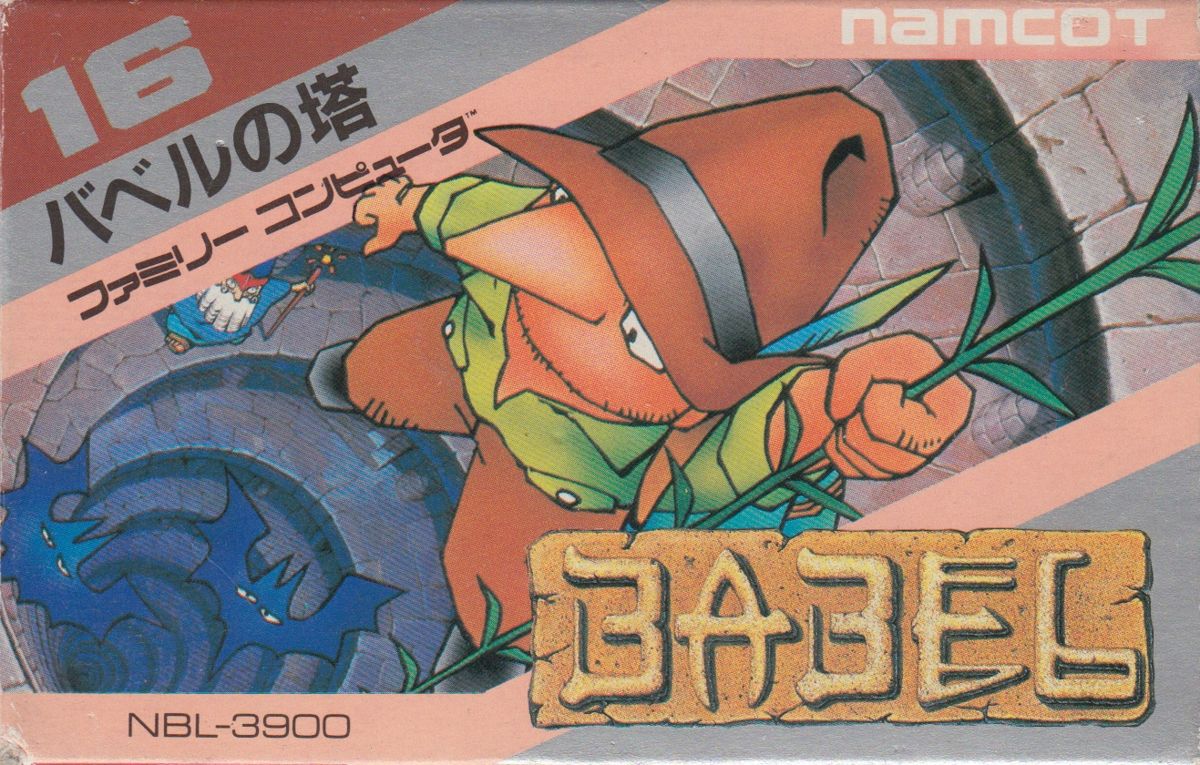
The story is a clean excuse for the ascent. You guide archaeologist Indiana Borgnine through the Tower of Babel in search of Babylon’s air gardens, collecting treasure along the way. It is an old-fashioned adventure setup, direct enough that it never competes with the room puzzles.
That simplicity works in the game’s favor. Each new chamber feels like another obstacle between you and the destination, and the biblical tower setting gives the climb a little more flavor than a bare sequence of abstract puzzle boxes would have had.
Do not come expecting a heavily developed narrative. Mystery Tower uses its premise to frame the action, then gets out of the way. The real story you will remember is your own run through a difficult room: the bad placement, the reset, and the moment the intended route finally becomes obvious.
Overall Experience
Mystery Tower is a tough, focused puzzle-platformer built around one strong idea rather than a pile of distractions. The limited block pickups give every room consequences, and that constraint makes even a small exit feel like a meaningful goal. When it clicks, you feel clever not because the game handed you progress, but because you understood the room’s geometry.
Its harshness is also inseparable from its charm. You will make a placement that kills a solution and have to start over. Enemy contact can interrupt a promising attempt. Yet the reset function makes those failures useful, particularly once you accept that experimentation is not separate from solving the puzzle—it is how you solve it.
Give Mystery Tower a chance if you like deliberate 2D puzzles with platforming pressure and can enjoy a game that asks for patience. The payoff is not a sweeping adventure so much as dozens of small breakthroughs, each one earned through sharper planning than the last. It remains an invitingly nasty climb for anyone who likes being forced to think before taking the next step.



Reviews
There are no reviews yet.