 Retro Replay Retro Gaming History, Reviews & Emulation

Retro Replay Review
Gameplay
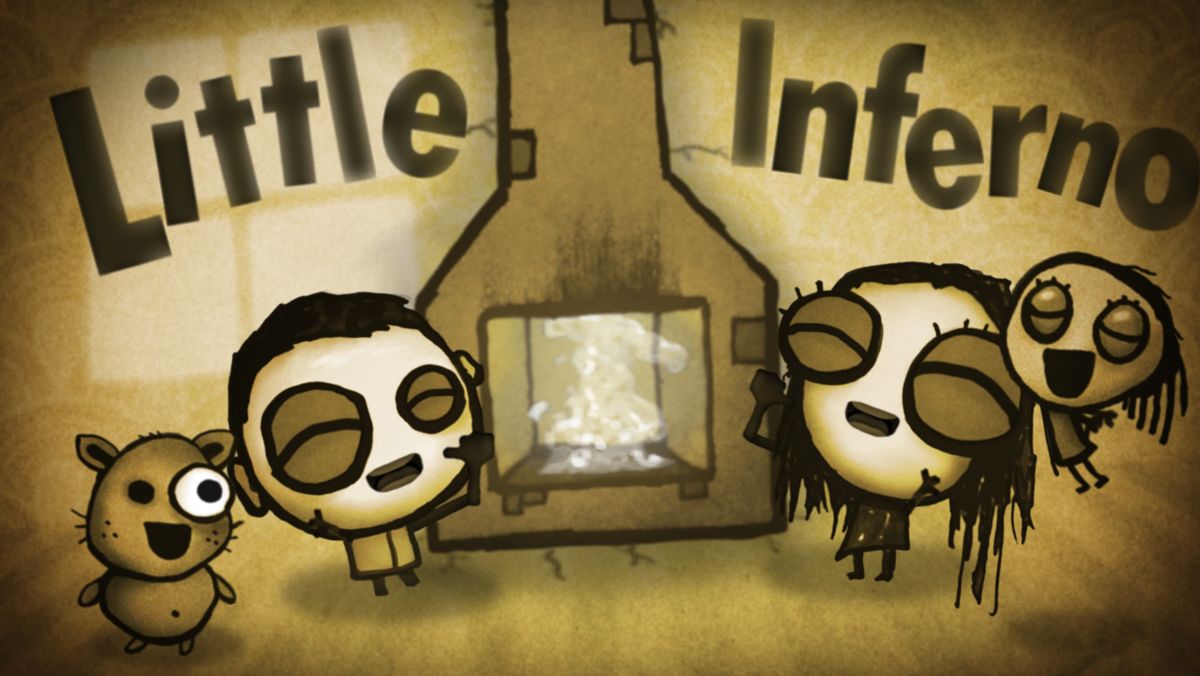
At first, Little Inferno feels almost frictionless. You order something odd, drag it from the shelf into the fire, strike a match with a quick sliding motion, and watch the result. That basic act stays satisfying because the objects are not mere inventory icons: they bounce, burn, react, and occasionally turn a modest experiment into a ridiculous explosion. It captures the childhood impulse to see what happens when you put two toys together, then gives that impulse just enough structure to become a game.
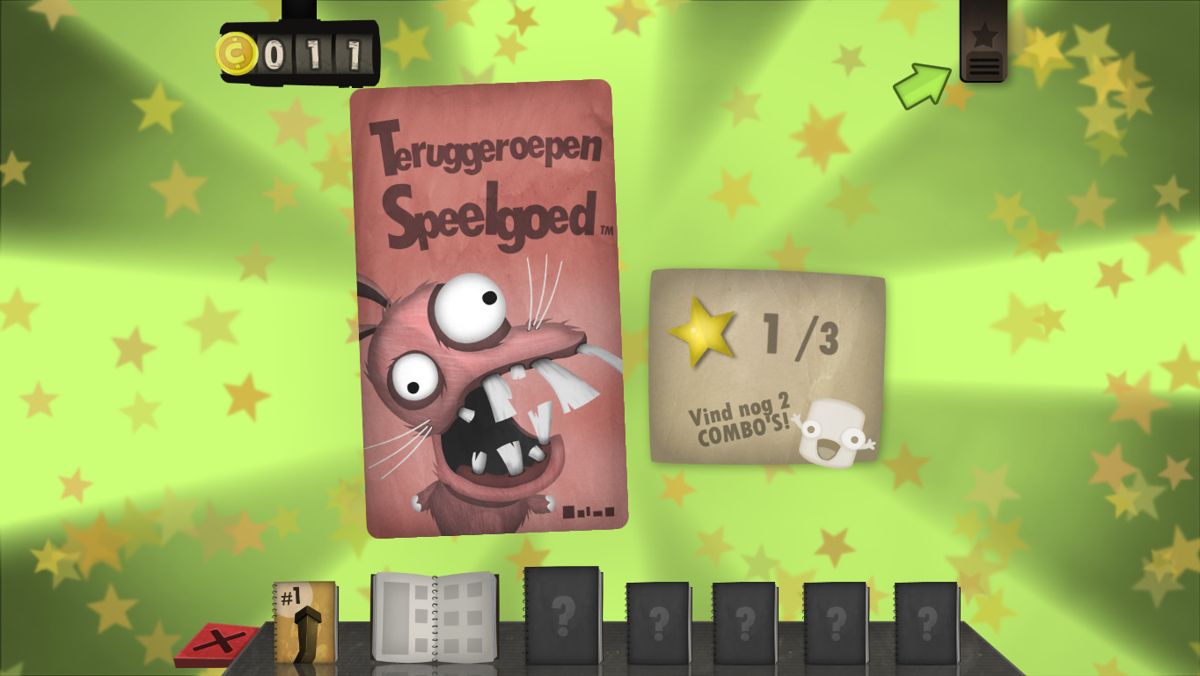
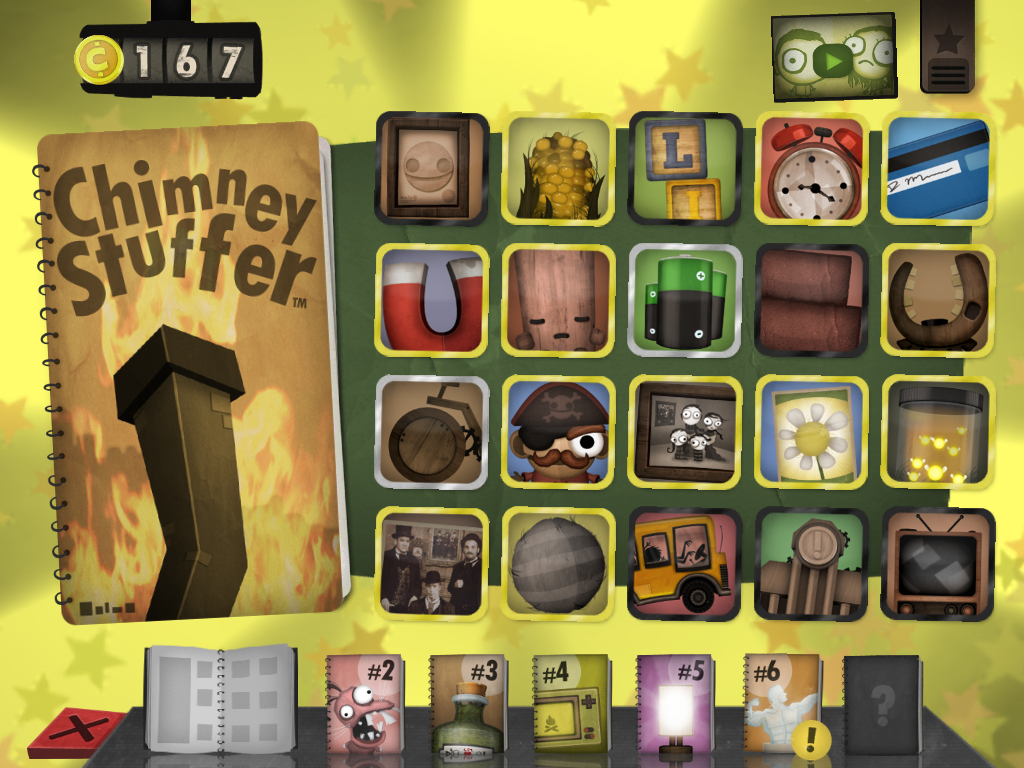
The structure is the list of 99 combos. Each one gives you a coy written clue and tells you whether it needs two or three items, leaving you to connect the words to merchandise spread across six catalogs. Early on, the answers come quickly because your options are limited. Later, when several catalogs are open and shelf space is tight, the guessing becomes a more deliberate process. The clues usually have a logical or humorous connection, but you will still spend time buying candidates, waiting for boxes, and testing a hunch that turns out wrong.
That waiting is the game’s most divisive choice. Items take time to arrive, repeat orders have a cooldown, and you cannot simply stockpile everything because money and shelf space are constrained. Tomorrow Stamps can speed deliveries, and the game makes sure you can continue earning bucks, so it never strands you. Still, the pacing can feel artificial when you know the likely answer to a combo but must wait for the right package. Enjoy the rhythm as a slow, curious toybox and it works; come in wanting a fast-moving puzzle marathon and the delays will grate.
Experimentation remains the point rather than a side activity. Buying each catalog item in sequence encourages you to see its individual behavior before treating it as a combo ingredient, and many of the best moments come from lighting something simply because you have no idea how it will behave. The final stretch changes gears with a shorter side-scrolling sequence where the boy can walk and speak with characters through dialogue choices. It is a welcome break from the fireplace loop, though the main pleasure is still in the small discoveries made in front of the flames.
Graphics
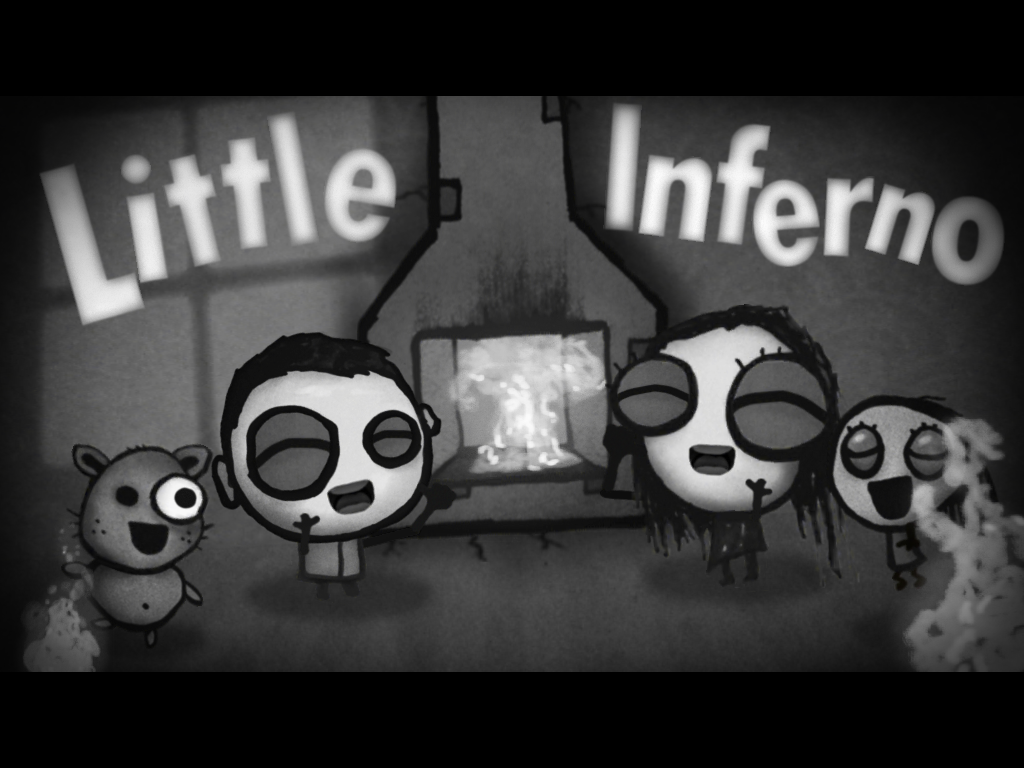
The fixed first-person view keeps nearly the whole screen on the fireplace, with a shelf along the bottom holding boxes, messages, and usable items. That tight framing makes every new toy easy to inspect as it burns. Fire can change color or form, objects animate as they collide and ignite, and the bigger explosions give the single-room setup a lively sense of payoff. Cosmetic fireplace changes and weather effects also keep the familiar scene from looking completely static.
Story
Little Inferno’s story sneaks up on you through mail. Miss Nancy from Tomorrow Corporation, a weather man, and Sugar Plumps each send messages that begin as amusing interruptions to your shopping and burning routine. Their notes offer hints, requests, gifts, and fragments of the world outside, where the boy has been told to remain indoors because of the cold.
The writing works because it does not rush to explain why this fireplace exists or why burning every possession has become normal. Instead, it lets the cheery corporate language and increasingly pointed correspondence rub against each other. You start out treating each message as another delivery; over time, they give your compulsive destruction an uneasy context.
There is real payoff in pushing through all 99 combos and the final requirement, since the game eventually takes you beyond the fireplace for its concluding interactive sequence. The story is still compact, and it is not the sort of game built around elaborate character arcs. But it gives the strange central routine a sharper purpose, making the ending land more strongly than a pure score-chasing puzzle would.
Overall Experience
Little Inferno is a clever little game about the pleasure and discomfort of mindless consumption. It earns that idea through play rather than lectures: you buy things, burn them for money, buy more things, and gradually notice how peculiar that loop is. The comedy is important here. Without the absurd toys, unexpected reactions, and playful combo names, the repetition would feel far more obvious.
The catch is that repetition does become obvious. Once the pool of possible items gets large, solving a clue may mean more catalog browsing and delivery waiting than inspired deduction. If you are patient and willing to treat failed experiments as part of the joke, that friction is manageable. If you need every puzzle to reward immediate, clean reasoning, some late combos may feel like busywork.
For the right mood, though, it is memorable: a short-form puzzle game with a compulsive first hour, a steadily stranger tone, and an ending that justifies looking beyond the fire. Give it a chance if you enjoy playful experimentation and dry, unsettling humor more than precision puzzle solving. For release background and related history, the Little Inferno overview is useful after you have finished burning your way through the catalogs.


Reviews
There are no reviews yet.