 Retro Replay Retro Gaming History, Reviews & Emulation

Retro Replay Review
Gameplay
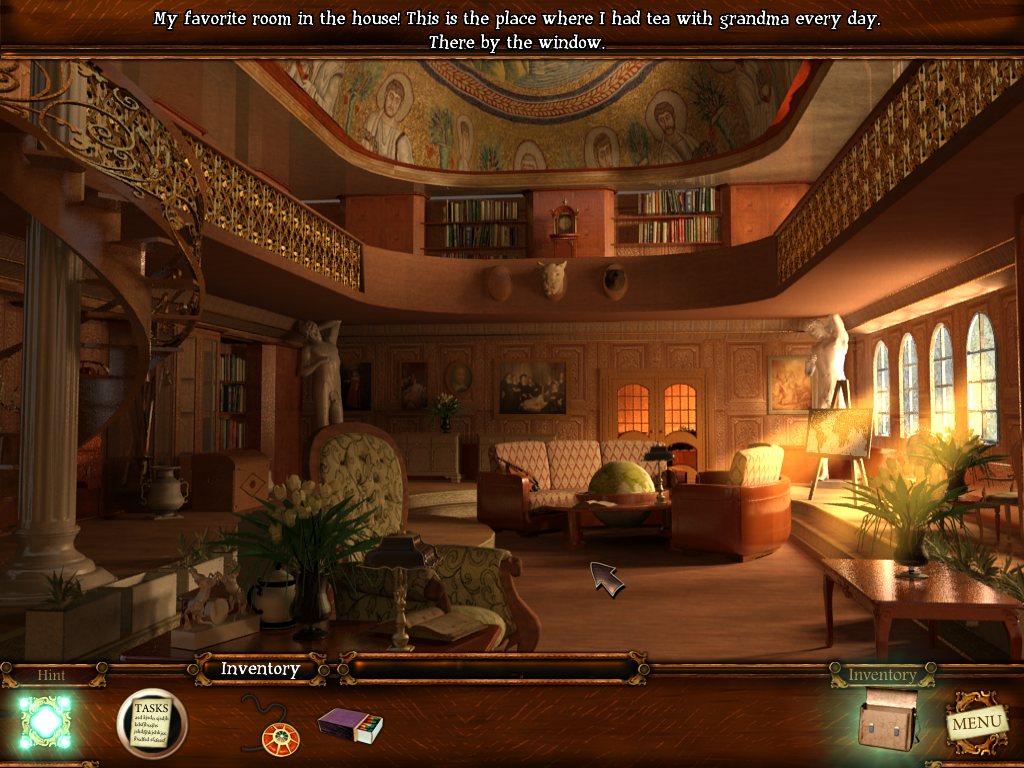
The first hour has a solid pull because Mina’s return to her family estate gives even its simple click-around exploration a little emotional direction. You are not dropped into a puzzle box without context; you are following someone trying to make sense of a place tied to loss. Before long, that intimate setup opens into a broader fantasy adventure involving the threatened forest and mountain region.
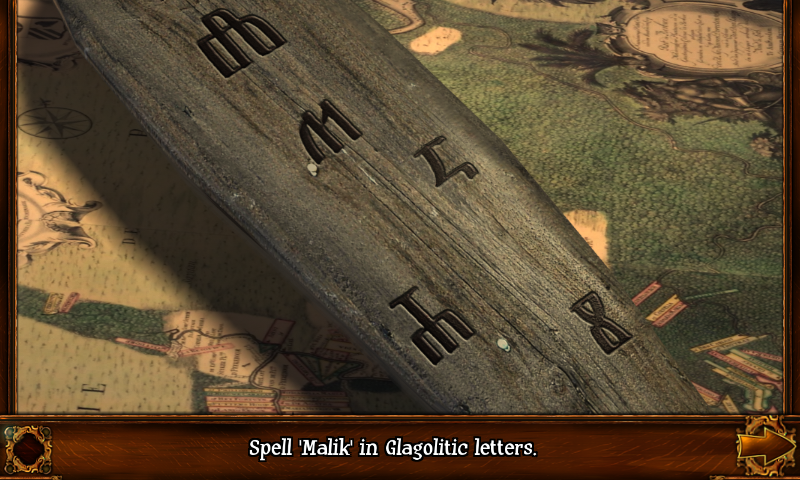
This is deliberately casual adventure design. You explore from a first-person viewpoint, move through six chapter-based locations, gather items for familiar inventory puzzles, and tackle many minigames along the way. That makes the game easy to settle into: there is usually a clear, immediate problem to poke at, rather than the kind of densely interconnected logic that can stall a traditional point-and-click adventure for hours.
The trade-off is that its puzzle solving is unlikely to satisfy you if you want a stern test of deduction. The game’s focus is variety and forward motion, with minigames sharing space with standard item use. Go in wanting a relaxed sequence of small challenges, not a demanding adventure-game gauntlet, and its pace makes more sense.
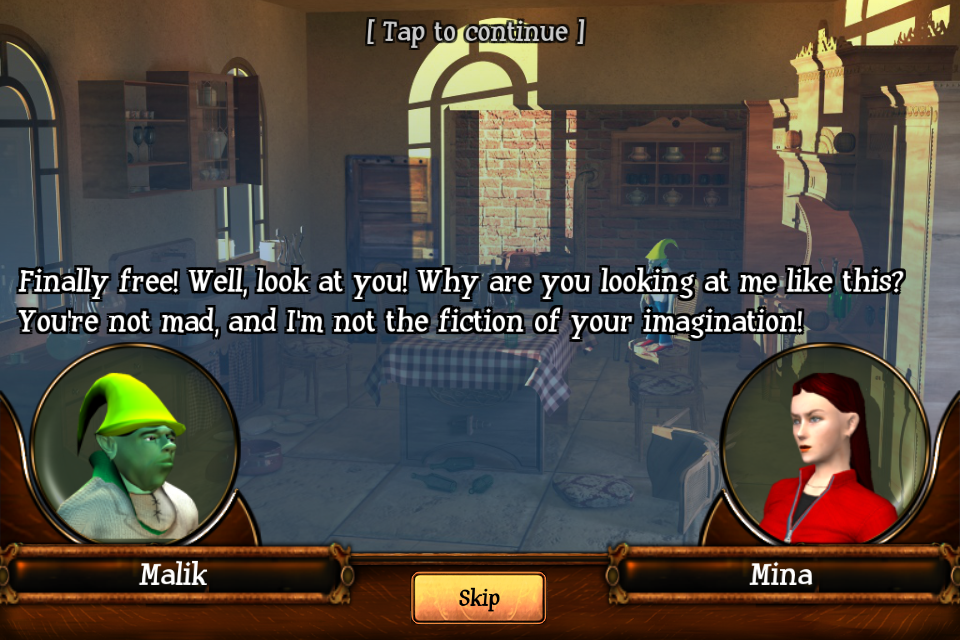
Malik, Mina’s companion for much of the journey, also helps the adventure feel less solitary as it moves away from the estate. The first-person switch from the third-person approach of Cateia’s earlier Crystal Valley adventure gives this one a more immediate sightseeing feel: you are looking into each new stop rather than watching Mina cross it from afar.
Graphics
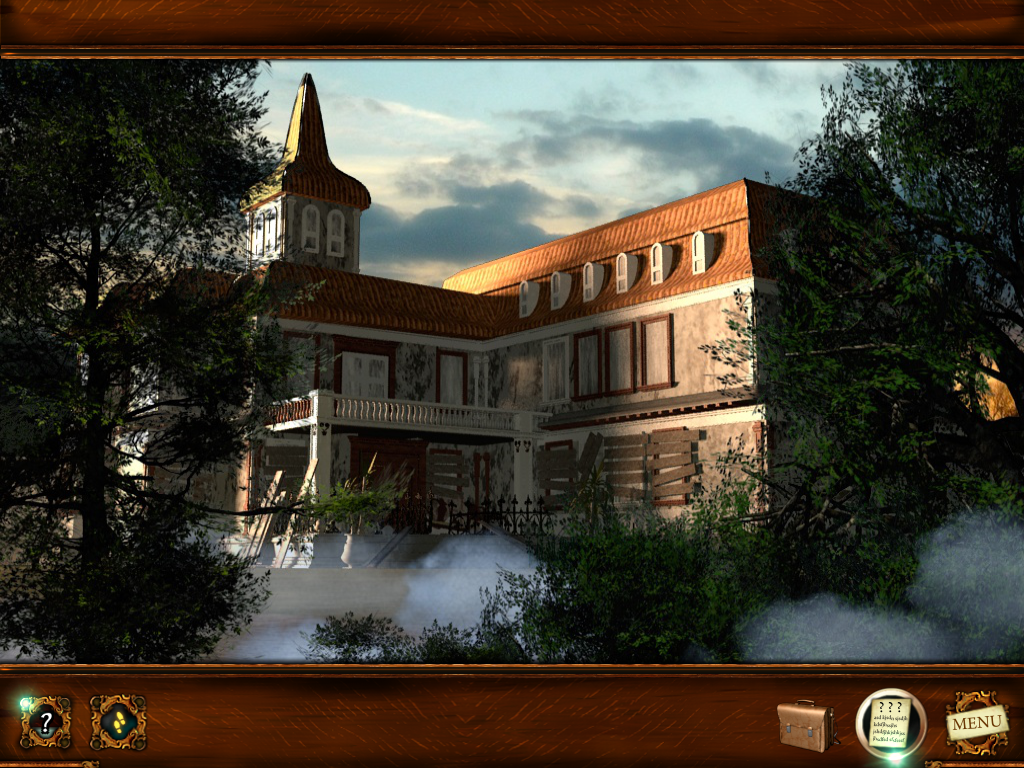
The first-person view puts the family estate, forest, and mountain locations directly in front of you, which suits an adventure built around investigating places one screen at a time. The structure gives each chapter a fresh setting, so the journey has a sense of moving outward from Mina’s troubled homecoming rather than circling the same scenery.

Story
Mina’s nightmares of her grandmother Kate and the family home burning give The Strix a more grounded opening than its fantasy label might suggest. Her trip begins as an attempt to confront loneliness and grief, and that makes the initial return to the estate feel like more than a generic excuse to start searching drawers and solving locks.
The story then widens into an unexpected effort to protect the surrounding wilderness. It is a familiar adventure-game turn, but it works as a change of scale: Mina starts with private memories and ends up facing a problem larger than herself. The forest-and-mountain stakes keep the plot moving beyond nostalgia without abandoning the reason she came home.
Do not expect the premise to remain an intimate study of bereavement. The game clearly wants to be a fantasy adventure, and Malik’s ongoing presence reinforces that more companionable, outward-looking tone. If that blend sounds inviting, the narrative offers a pleasant route from personal unease to a larger rescue mission.
Overall Experience
Tales from the Dragon Mountain: The Strix is a modest, friendly adventure whose strongest quality is its low-friction rhythm. The mix of exploration, inventory tasks, and frequent minigames gives you something new to do often, while the six-chapter trip keeps the scenery and objectives changing. It is the sort of game that is easy to play in a few relaxed sessions.
Its 6.3 reputation feels fair. The game has a worthwhile emotional starting point and an agreeable fantasy destination, but the casual difficulty and puzzle mix place it closer to comforting pastime than essential genre landmark. You may find the payoff worthwhile if a gentle mystery and a steady parade of manageable tasks sounds better than being stuck on one brutal puzzle.
Give it a chance if you want an approachable first-person fantasy adventure with a personal opening and little appetite for punishing logic. Fans interested in another entry with “Tales” in the name can also look at Tales from Heaven, though The Strix stands on its own as a much later, puzzle-led trip into a troubled family past and a threatened wilderness.


Reviews
There are no reviews yet.