 Retro Replay Retro Gaming History, Reviews & Emulation
Retro Replay Review
Gameplay
The first hour gives you a clear reason to care: Geron is trying to restore Nuri from raven form, and a merchant offers a possible answer at the price of unraveling Sadja’s forgotten tale. From there, Memoria plays like a classic point-and-click adventure: inspect the scene, collect objects, test inventory combinations, and find the one connection that turns an obstacle into progress. It is familiar territory, but the fantasy setting gives even mundane errands a little more character than the usual locked-door routine.
What helps the puzzle design stand apart is that Geron and Sadja do not solve problems in quite the same way. Geron can break or repair brittle objects, while Sadja gains access to several spells through her magical companion. A vision-based ability can gently push nearby people or objects toward actions they would otherwise resist, which makes Sadja’s sections feel more than just a change of scenery. You are still reasoning through adventure-game logic, but magic creates room for solutions that feel rooted in the world rather than arbitrarily bizarre.
Frustration can still creep in when the game asks you to study the environment closely or choose the right sequence of actions. Thankfully, it gives you sensible escape valves. Pressing Space highlights points of interest, the optional combination helper can react when an inventory item is held over a valid target, and certain longer puzzles can be skipped outright. The helper is not perfectly dependable, so do not treat it as an answer key, but it can spare you some blind experimentation.
This is a game that rewards patience more than speed. Try examining inventory items as well as scenery, and use the accessibility tools without guilt if a puzzle is holding the story hostage. Optional actions and alternate quest solutions also feed achievements, while unlocked cutscenes let you revisit the important scenes later.
Graphics
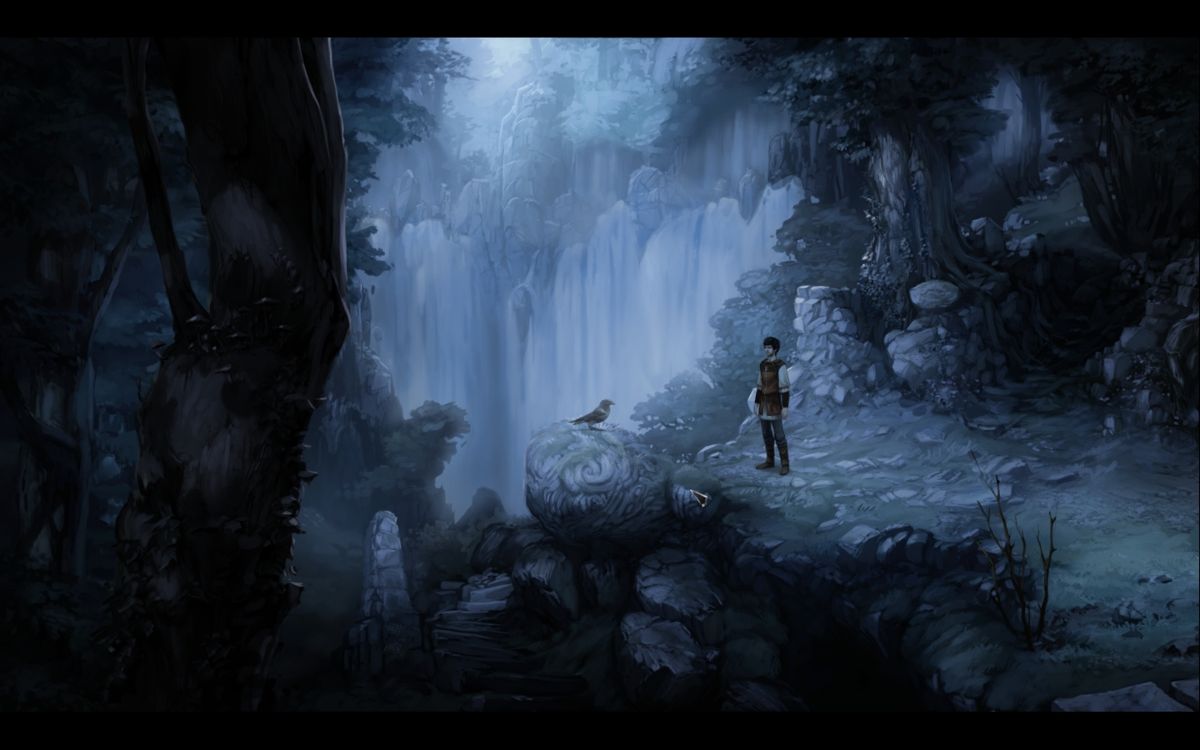
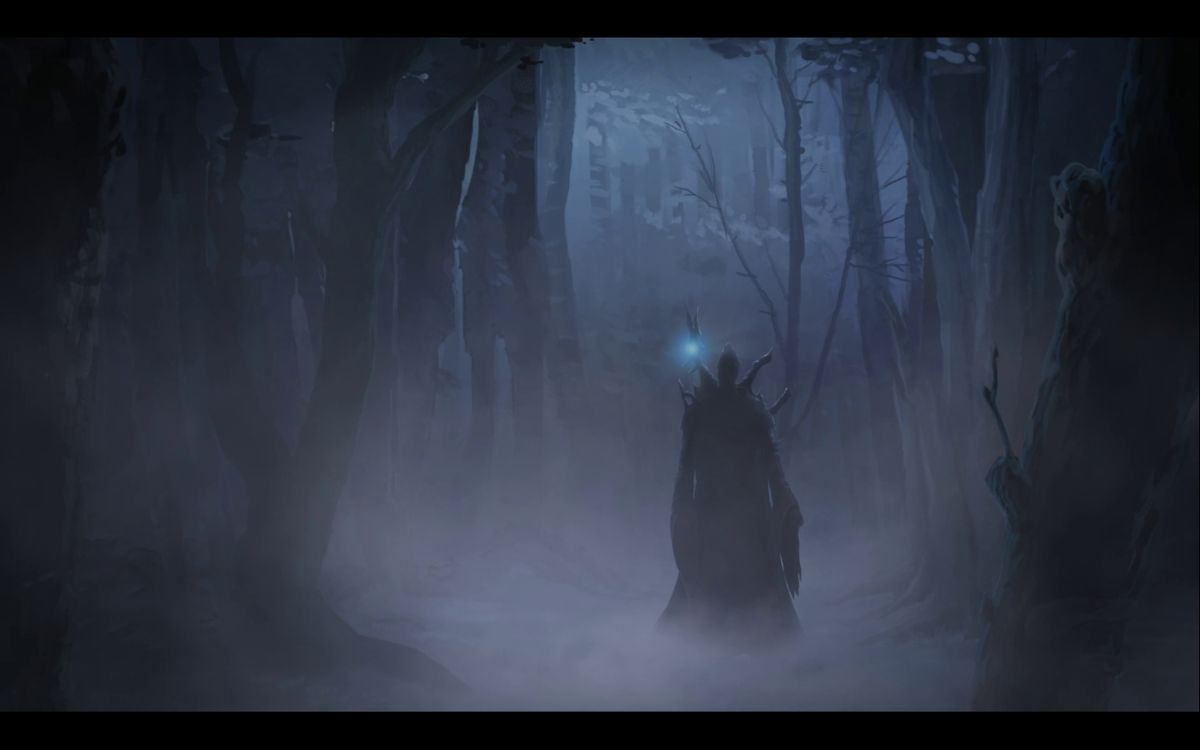
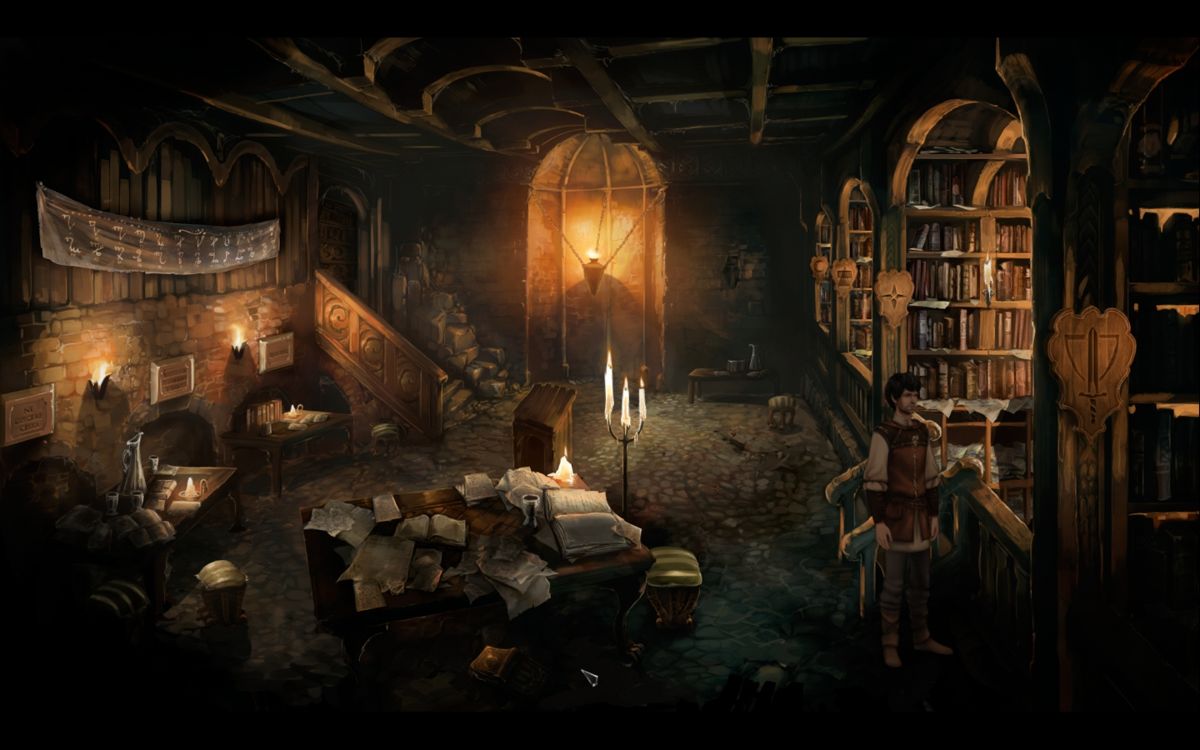
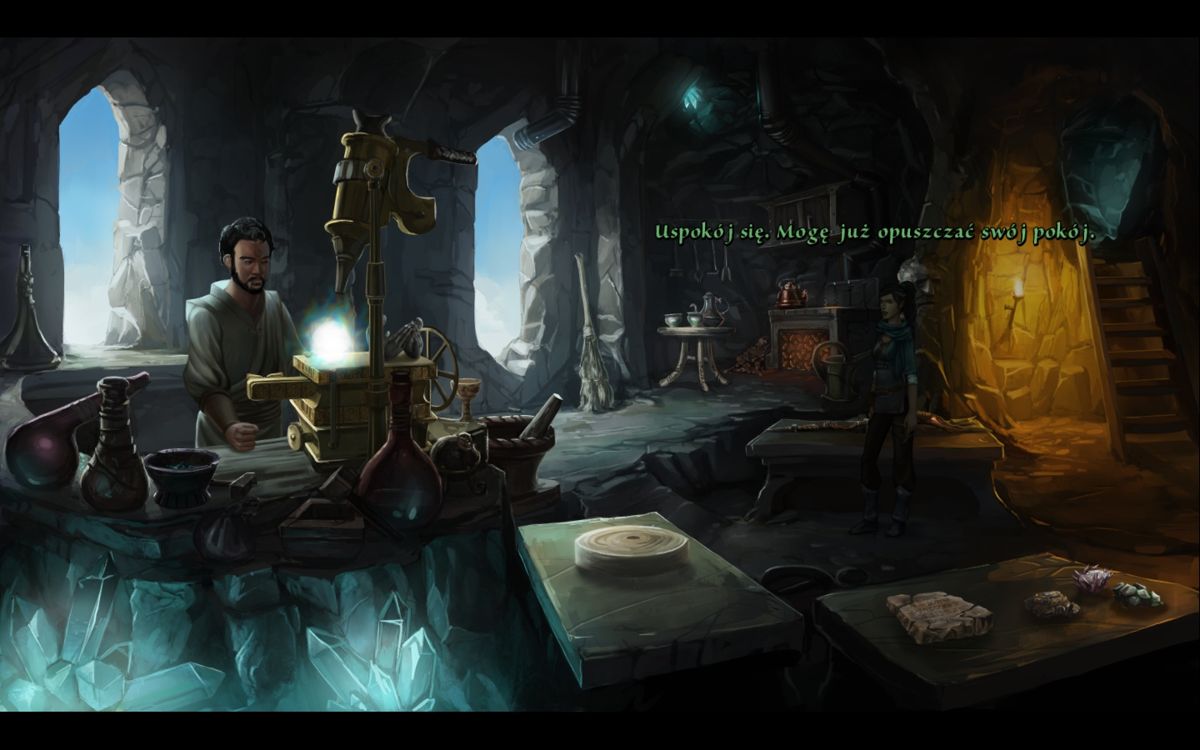
Memoria uses pre-rendered, semi-realistic backgrounds for Andergast, its nearby forest, and Sadja’s far broader route through tombs, mountains, and fortresses. The central characters stand out through more animated 3D models covered in hand-painted textures, giving Geron, Sadja, and their companions more movement against the painted backdrops.
Story
The strongest reason to play is the structure of its mystery. Geron’s immediate mission is intimate and urgent: Nuri is still present, but her memories of being a fairy are beginning to fade. Sadja’s thread reaches back roughly 450 years and carries the scale of an old legend. Journals and dreams gradually connect their stories, so each discovery feels like another piece of a larger promise rather than a detached historical diversion.
That split has a useful dramatic effect. Geron spends time in Andergast and the surrounding forest on comparatively everyday work, whereas Sadja travels through the kind of ruins and fortresses you expect from a full fantasy quest. The modern storyline can feel smaller beside hers, yet that is also what makes Geron’s concern for Nuri matter: he is not chasing glory, just refusing to abandon someone he cares about.
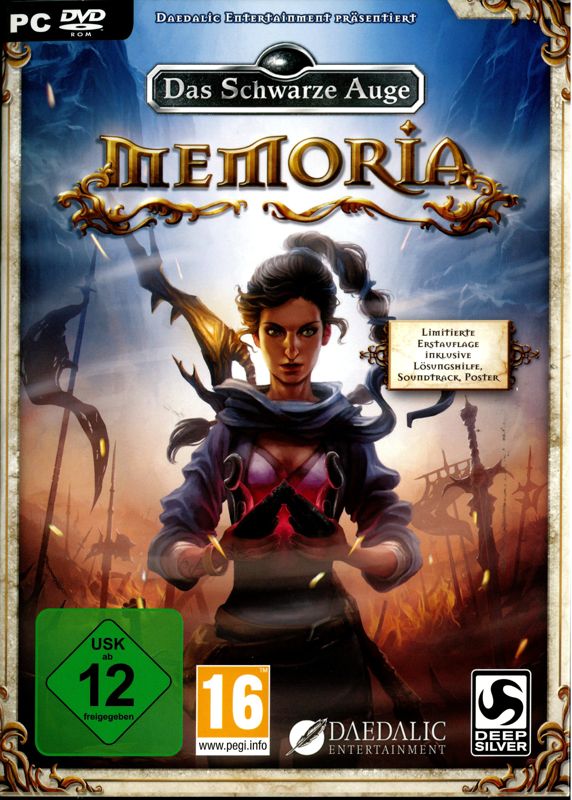
You do not need to mistake it for a standalone premise entirely divorced from its predecessor. It follows the wider The Dark Eye series and continues Geron and Nuri’s situation after Chains of Satinav. Familiarity will make the emotional starting point easier to appreciate, but the merchant’s bargain and Sadja’s riddle quickly supply their own forward pull. For release and background context, the game’s history is also worth a look after you finish.
Overall Experience
The Dark Eye: Memoria is at its best when you settle into its pace and let the two protagonists’ stories speak to each other. It does not abandon traditional inventory puzzling, but its spells prevent the interaction from becoming completely mechanical. The real payoff is watching an apparently simple cure quest expand into an older, stranger story with consequences for both Geron and Sadja.
The unevenness is easy to identify: Geron’s early objectives can seem plain next to Sadja’s epic route, and some puzzles will test your tolerance for close observation and adventure-game leaps of logic. Yet the hint tools and skips mean you can preserve momentum instead of spending an evening stuck on one stubborn problem. That flexibility is a major advantage for anyone who loves the genre’s storytelling but has less patience for its rougher habits.
At 7.7, this is a recommended fantasy adventure rather than an automatic essential. Give it a chance if you want hand-crafted point-and-click puzzles, a story that moves between personal stakes and ancient history, and enough assistance to tailor the challenge. If you need constant action or have no appetite for combining objects and scrutinizing scenes, its slower, more deliberate rhythm will wear thin. For the right mood, though, Geron and Sadja’s linked journeys are worth following through to the end.


Reviews
There are no reviews yet.