 Retro Replay Retro Gaming History, Reviews & Emulation

Retro Replay Review
Gameplay
The first hour is all about possibility. Association mode asks you to build a company and a roster from scratch, and the monthly rhythm quickly gives every decision weight. Recruiting, retiring talent, setting training, coaching individuals, and scheduling events all happen before the event phase arrives to grade your plans. A weak month is not merely a bad result screen; it can affect both a wrestler’s attributes and the popularity of the association.
That structure makes Survivor feel more involved than simply picking a lineup and simulating results. You can trust the preparation and put a match on auto, or step in directly through the card-based battle system. Being able to intervene is a smart fit for a game about ownership: you are not only judging talent from an office chair, but choosing when an important match deserves your attention. The tension between long-term training and short-term results is where the management loop starts to click.
There is substantial room to tailor a campaign. You choose rival association numbers, campaign length in years, and the number of competing human players; up to four people can chase the top team. That makes the competitive side more than an afterthought, especially if your group enjoys measuring careful roster building against somebody else’s. Solo players still get plenty to chew on, while Exhibition, Tournament, and League modes make the roster of more than 70 wrestlers useful outside the main campaign.
Frustration will likely come from the same place as the satisfaction: results reshape both your company and its wrestlers, so poor decisions can linger. Survivor wants you to pay attention over months rather than chase a single spectacular match. Give it time, learn which events and training choices serve your roster, and the gradual climb feels earned.
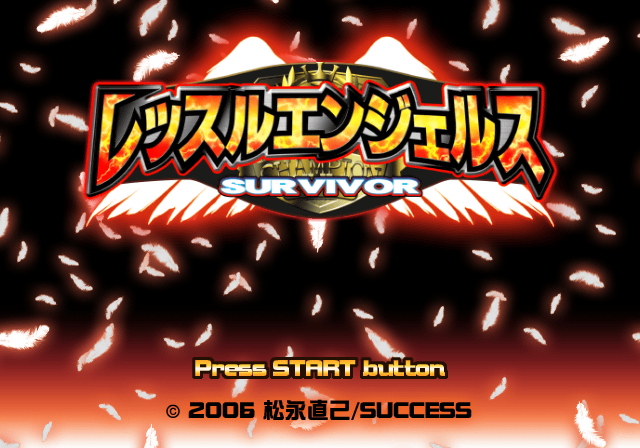
Graphics
The anime and manga styling centers attention on the wrestlers, while the game also includes event CG images unlocked through Association mode and collected in a gallery. Those images give successful campaigns a tangible record of what your promotion has achieved.
Story
Survivor deliberately steps away from the involved story modes associated with later PC games in the series. That is a meaningful shift in emphasis: you are not being carried through a heavily scripted wrestling drama, but asked to create your own reasons to care about a roster.
The closest thing to a narrative is the one you build through decisions. A new recruit, a carefully coached wrestler, and a result that lifts or damages popularity can turn routine planning into a personal rivalry or comeback in your head. It is a quieter kind of storytelling, rooted in management consequences rather than authored scenes.
That approach will divide fans. Anyone arriving for character-driven plot may find the campaign comparatively lean, while simulation-minded players may prefer that the wrestlers’ fortunes come from their own choices. For more of the series’ history, see the related Wrestle Angels 3.
Overall Experience
Wrestle Angels Survivor is strongest when you treat it like a long-season wrestling business sim rather than a conventional wrestling game. Its monthly office-and-event loop creates a clean reason to care about training, bookings, and results, and direct match control adds a welcome layer of responsibility when the stakes rise.
The lack of a major story focus is not a flaw by itself; it is a clear editorial choice, and it leaves the management systems to carry the experience. Fortunately, they have enough moving parts to do that. The mix of roster growth, company popularity, rival associations, and optional multiplayer competition gives a campaign a durable shape.
Give it a chance if you like sports management games where your planning is tested in public and the best moments come from watching a team you assembled become credible. Skip it if you mainly want flashy wrestling action or a plot-heavy visual novel. For the right kind of patient wrestling fan, Survivor’s payoff is seeing a pile of monthly decisions become a promotion worth defending.


Reviews
There are no reviews yet.