 Retro Replay Retro Gaming History, Reviews & Emulation
Retro Replay Review
Gameplay
The first hour makes its priorities clear: Rorona is not an RPG about charging toward a grand villain. You are running a workshop under a three-year ultimatum, with twelve challenges standing between Rorona and closure. That structure is a strong fit for the series’ alchemy focus because every trip outside town has a practical question attached to it: what do you need to gather, what can you synthesize from it, and which task deserves your time?
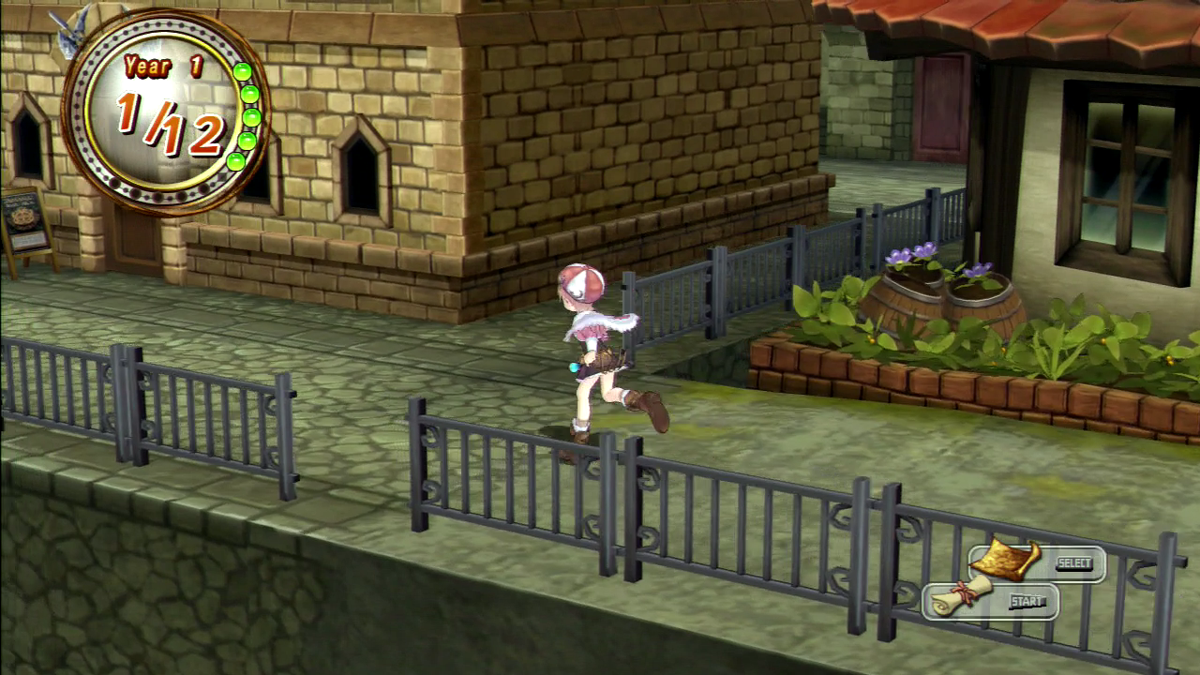
Exploration alternates between a static world map and third-person 3D areas such as towns, fields, and forests. You pick a destination through menus, then roam the loaded area for ingredients and visible enemies. It is a straightforward rhythm, but it gives the game a useful divide between planning in town and getting your hands dirty outside it. If you enjoy RPG loops where preparation matters as much as the excursion itself, Rorona’s workshop routine has real pull.
Combat is turn-based and shifts to a separate battle screen when you touch an enemy. The key difference is the importance of items: they can enhance skills, inflict status effects, and affect the environment. That makes synthesis more than a side distraction. A well-made item can alter how you approach a fight, so the satisfying moments come when the materials you gathered and the tools you crafted finally pay off in battle.
Frustration can set in if you want constant forward momentum. The game repeatedly asks you to leave town, harvest ingredients, return to the workshop, synthesize, and head back out. Its structure asks for a willingness to engage with that cycle rather than merely tolerate it. Give it a chance if crafting is the reason you came; if you mainly want combat and dungeon progress, the workshop obligations may feel like the main event getting in your way.
Graphics
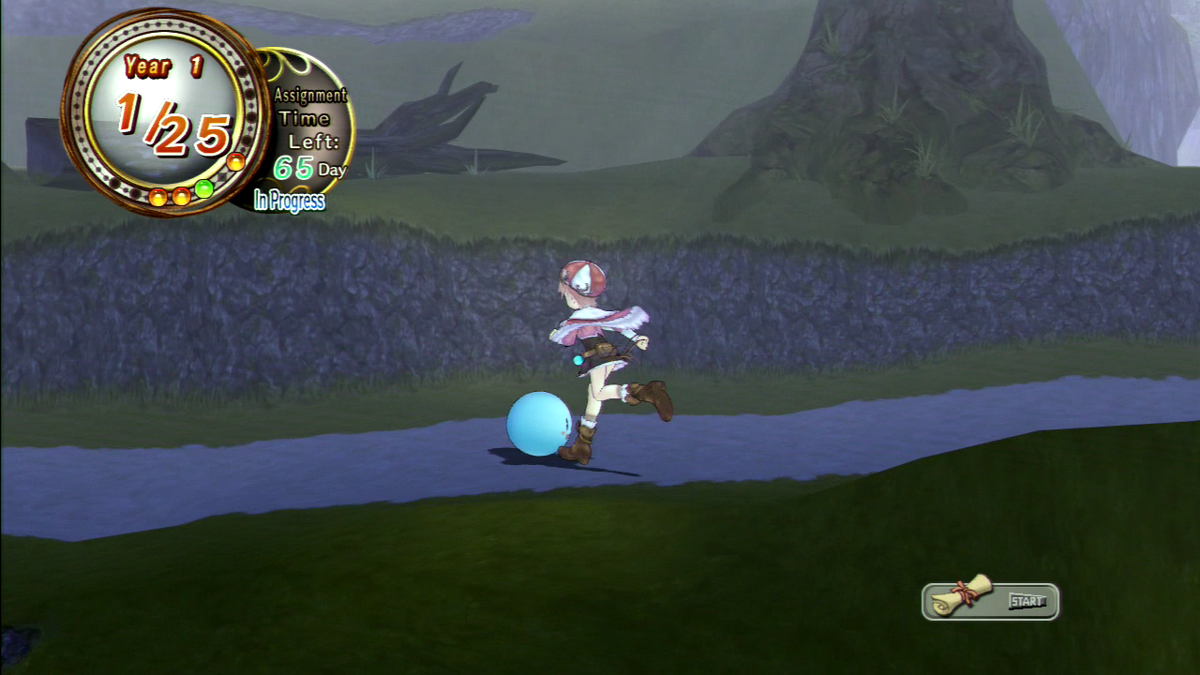
Rorona explores towns, fields, and forests from a third-person view, while visible enemies stand in the environment before battles pull you into a separate combat screen. The visual transition makes it clear when you are freely gathering and when you are committing to a fight.
Story
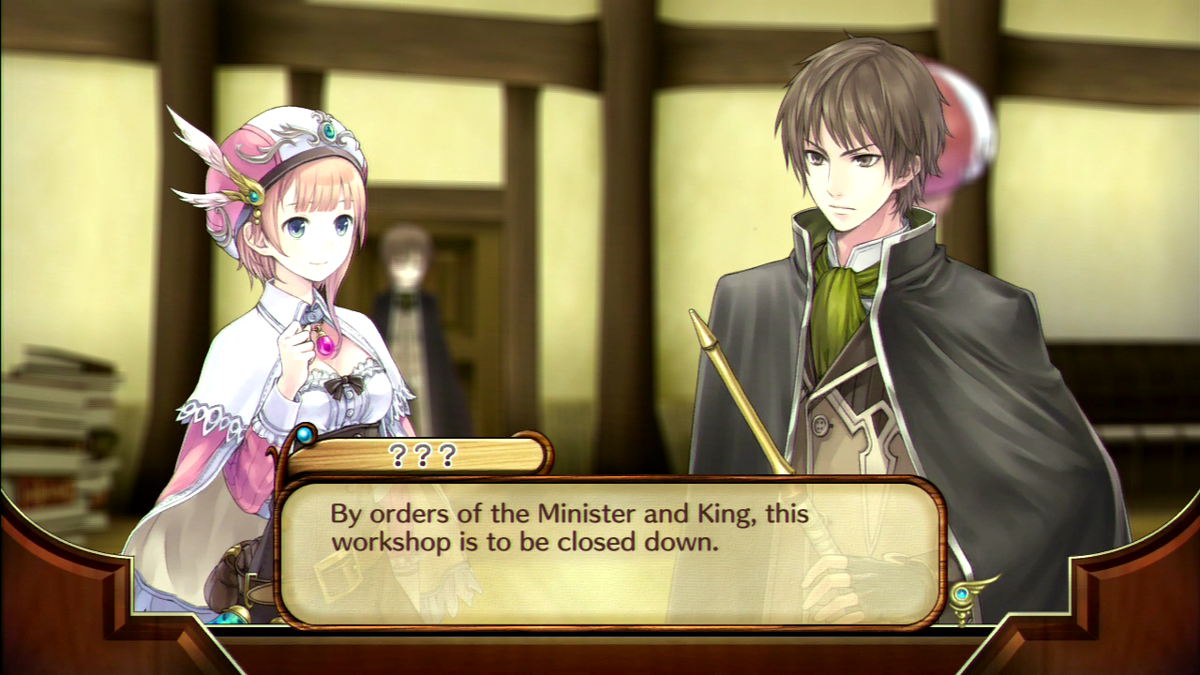
Arland’s central problem is refreshingly grounded. The kingdom rose after a travelling alchemist taught its people to use abandoned relics from nearby ruins, but the old workshop that helped begin that prosperity has been allowed to fade away. Rororina “Rorona” Frixell inherits that neglected place when its owner walks away, and the king gives her three years to demonstrate why it deserves to survive.
That premise gives even ordinary requests some weight. Rorona is inexperienced, and the stakes are her workshop rather than the fate of the world, so the story has room to make progress feel personal. It is a good setup for an alchemy RPG: learning the craft and proving the workshop’s worth are the same journey.
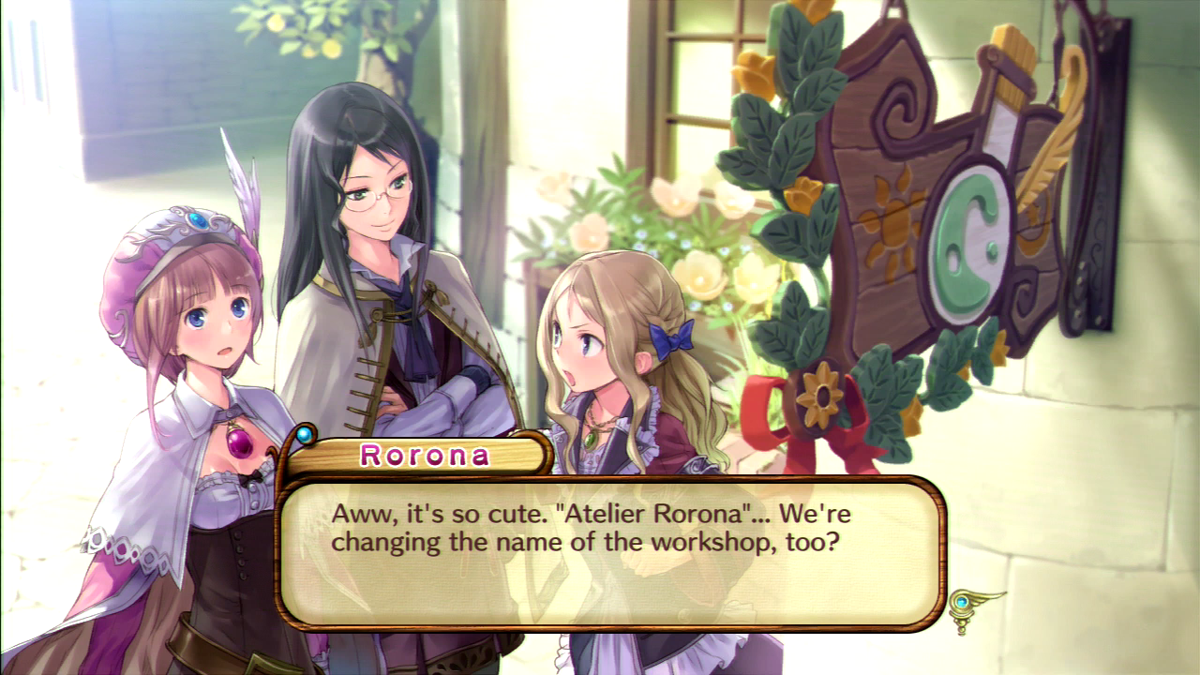
Conversations and cutscenes lean toward a visual-novel style when Rorona is not out gathering materials. Multiple storylines and endings depend on your choices and on the companions you choose to help, which is a meaningful reason to pay attention to residents instead of treating them as quest dispensers. The payoff is likely strongest for anyone who likes building attachments to a cast over a single playthrough’s choices.
Overall Experience
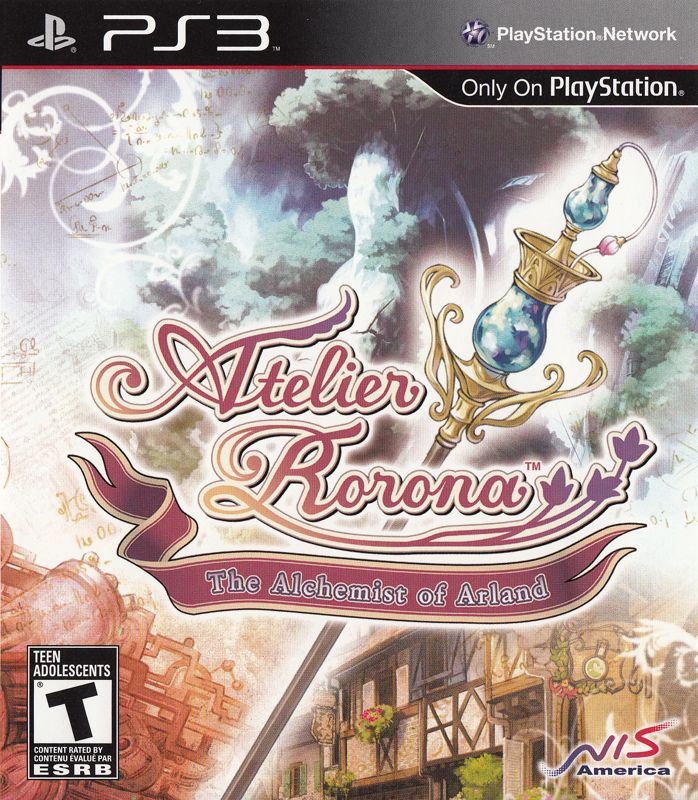
Atelier Rorona is a modestly scaled RPG with a clear point of view. It wants you to care about ingredients, requests, and the health of a little workshop, then connect all of that preparation to turn-based fights where items matter. The king’s deadline keeps the whole thing from becoming aimless, and the twelve-challenge framework gives Rorona’s growth a concrete shape.
Its rougher edge is also inseparable from its charm: the travel is menu-driven, the activity loop is repetitive by design, and the game does not disguise how much of your time will be spent organizing your next crafting goal. Yet that repetition becomes rewarding once you start seeing each excursion as input for a better solution, not as busywork between story scenes.
This is worth playing if you want an RPG where alchemy drives both progress and combat, and where choices around companions can change the story’s direction and ending. It is less likely to win over anyone who wants a fast, battle-first adventure. For the right kind of patient crafter, though, Rorona’s effort to save one small workshop is an engaging reason to keep making one more item.


Reviews
There are no reviews yet.