 Retro Replay Retro Replay gaming reviews, news, emulation, geek stuff and more!
Retro Replay Review
Gameplay
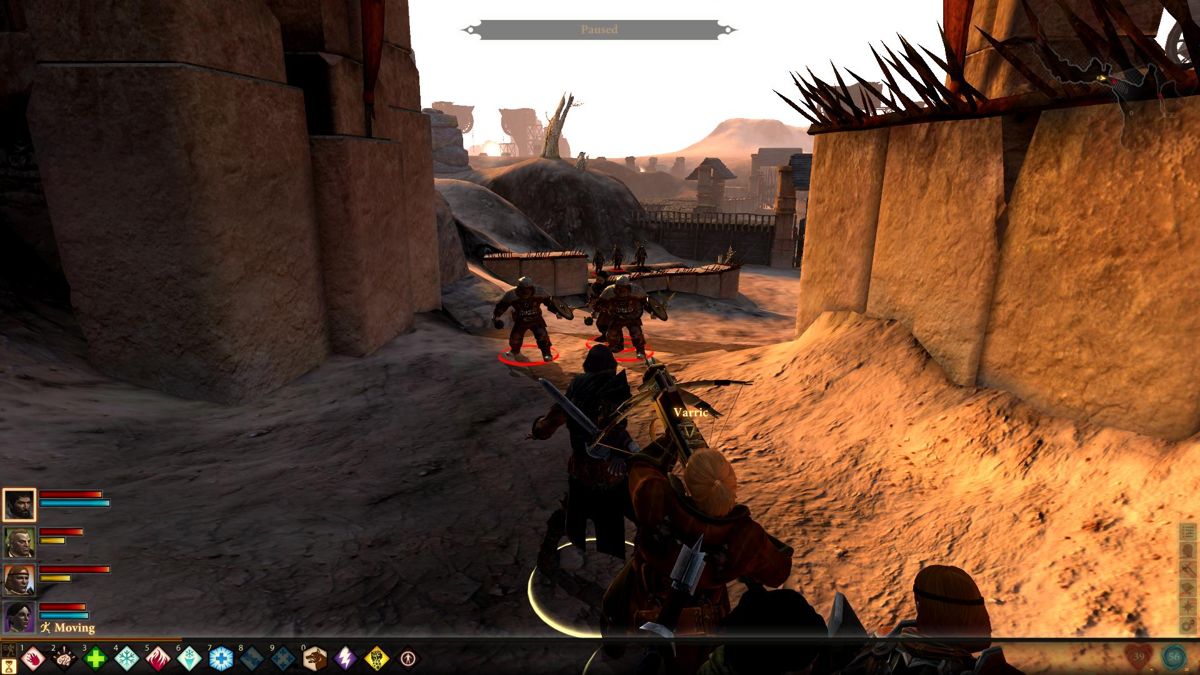
Legacy gets moving quickly: Carta attackers are after Hawke, and you respond by taking the fight to their doorstep. That directness is refreshing if you wanted another concentrated dose of Dragon Age II combat, but it also tells you exactly what you are buying. This is a linear dungeon crawl, not a fresh region built for leisurely exploration.
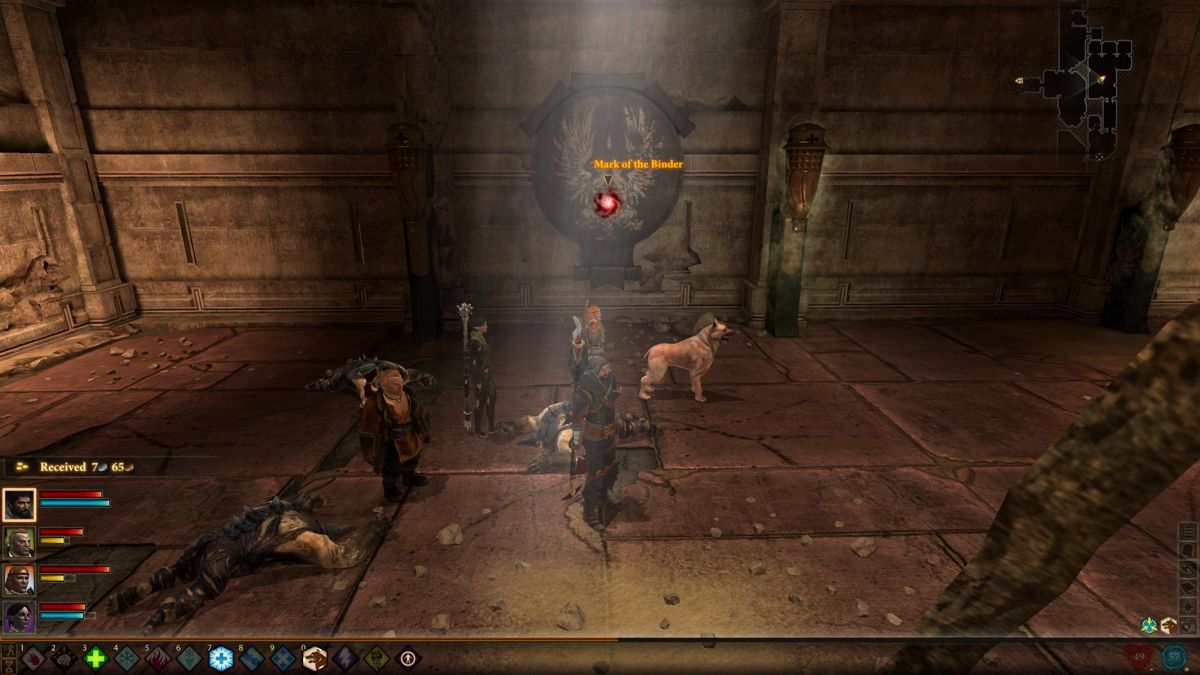
The moment-to-moment loop is familiar. You push forward, fight, stop for dialogue, read documents that fill in background details, and meet a few minibosses along the way. There are no significant changes to the main game’s play, so returning fans can settle in immediately. If Dragon Age II’s party battles never clicked for you, Legacy will not convert you; it spends much of its runtime asking you to enjoy that established formula again.
There is enough texture to prevent the march from becoming completely automatic. Three side quests reward attention, and the documents make it worth checking what lies between the fights. Near the end, one puzzle interrupts the combat flow and a moral choice gives you a brief chance to define Hawke’s response rather than simply clear the next room.
The final boss is the real test. Winning depends heavily on micromanaging your party, so casual command habits can turn the encounter into a wall. It is a stronger finish than another disposable skirmish, especially because the reward is powerful equipment, but be ready to take charge rather than letting companions coast through it.
Graphics
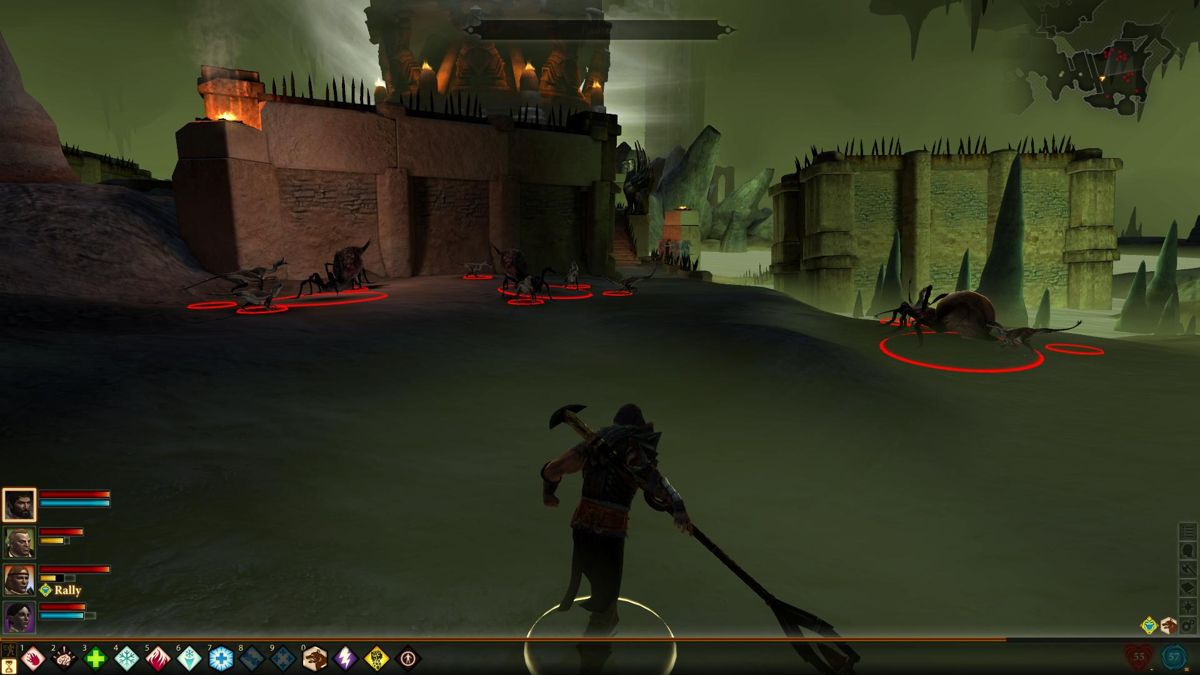
Legacy uses Dragon Age II’s established look: Hawke, the party, Carta enemies, and the dungeon crawl are all presented in the same style as the main adventure. The visual draw here is continuity rather than reinvention; it feels like an extra chapter of the same game, not a separate-looking campaign.
Story
The personal hook works. Carta goons are not merely hostile; they want Hawke’s blood, and the mystery behind their behavior pulls the adventure beyond a basic retaliation mission. That question gives the early fights a useful urgency.
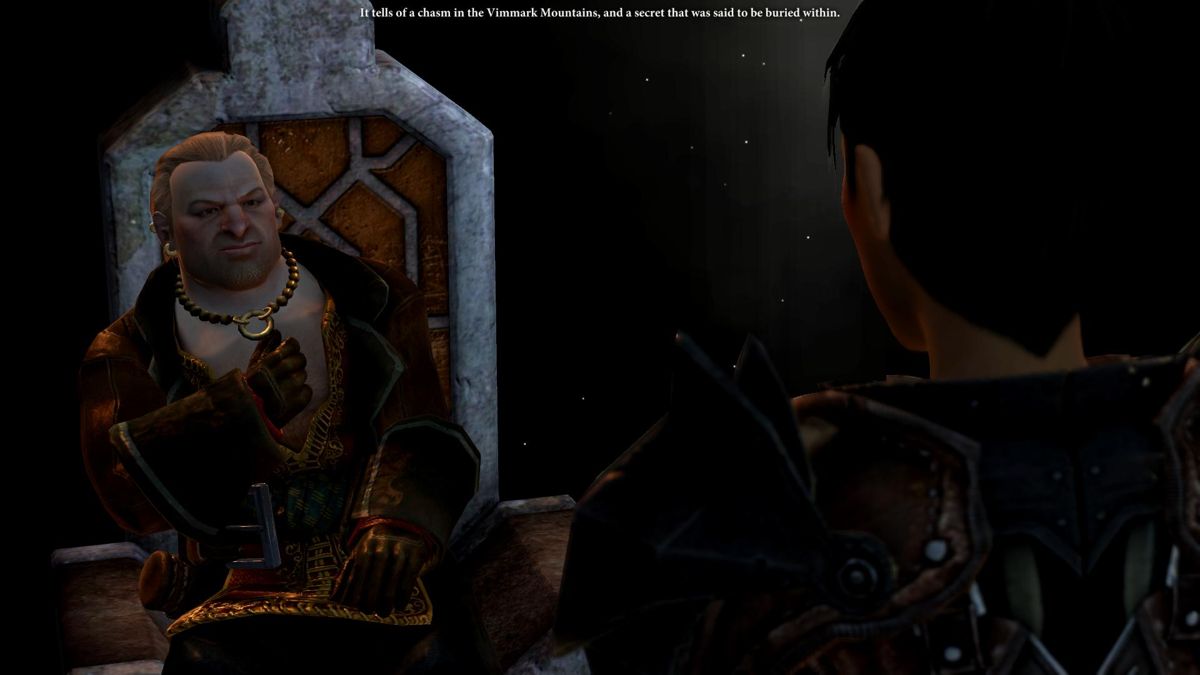
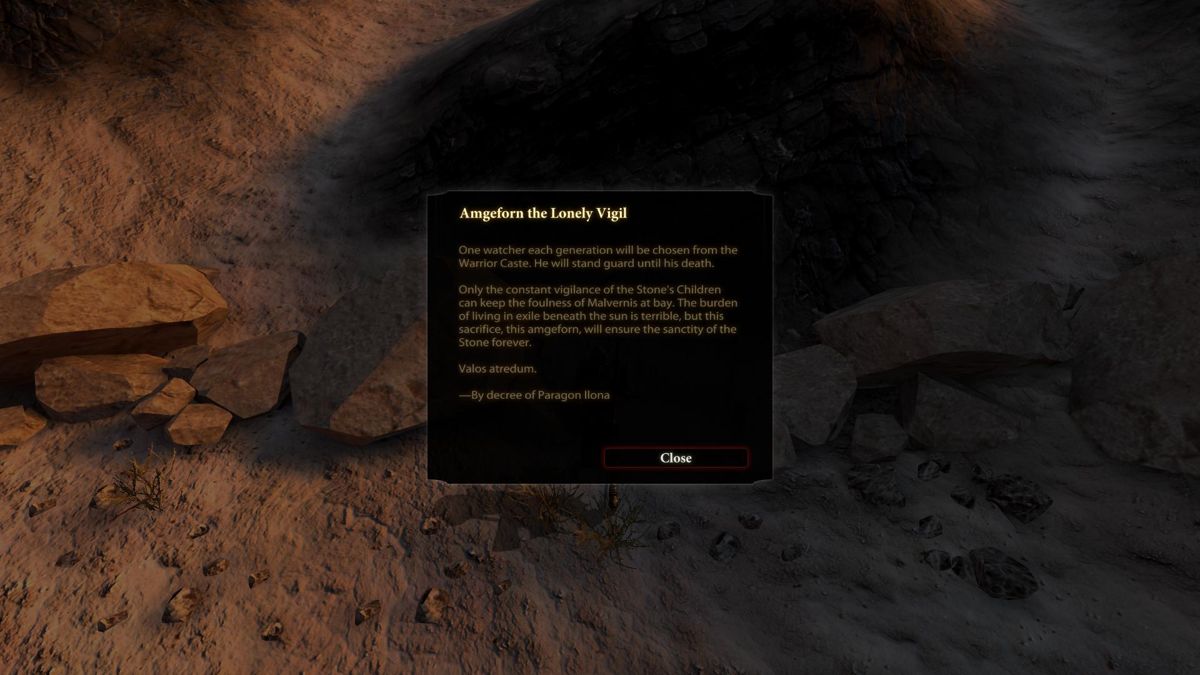
As you move through the dungeon, conversations and found documents gradually add context, with Hawke’s family history becoming the key thread. It is focused storytelling rather than a sprawling new political plot, which suits the expansion’s short, forward-driving structure.
The late moral choice is modest but welcome. Legacy does not drown you in decisions, so that one moment stands out as a chance to weigh the situation before the ending. Anyone invested in Hawke specifically will get more from this than someone only chasing another batch of quests.
Overall Experience
Legacy is a decent, focused slice of Dragon Age II that knows its strengths and does not stray far from them. The opening mystery, family-history angle, and hard final battle give it a clearer purpose than filler content, even when the long dungeon route starts to feel rigid.
The biggest caveat is commitment. You can begin after reaching Kirkwall, but returning is only possible at certain points, so do not enter expecting to freely bounce back to the main campaign whenever you like. Start it when you are happy to spend a sustained stretch in its combat-and-dialogue rhythm.
For fans who enjoyed managing a party in Dragon Age II and want more Hawke-centered lore, it is worth playing. For anyone already worn down by the base game’s battles or hungry for radically different gameplay, Legacy is competent rather than essential. Its payoff is strongest when the final challenge and personal story thread matter more to you than the familiar path taken to reach them.


Reviews
There are no reviews yet.