 Retro Replay Retro Gaming History, Reviews & Emulation
Retro Replay Review
Gameplay
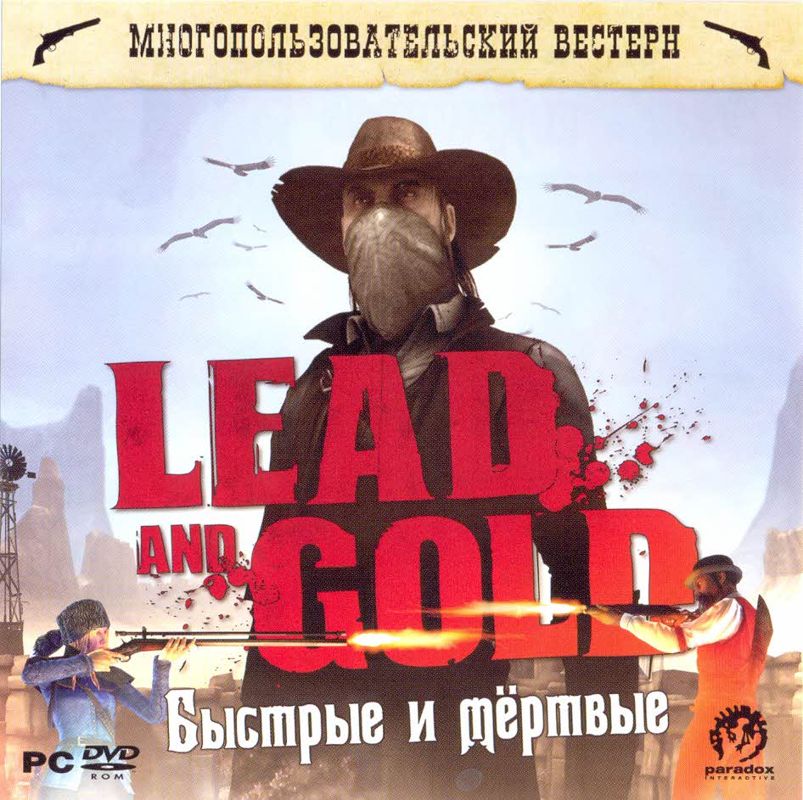
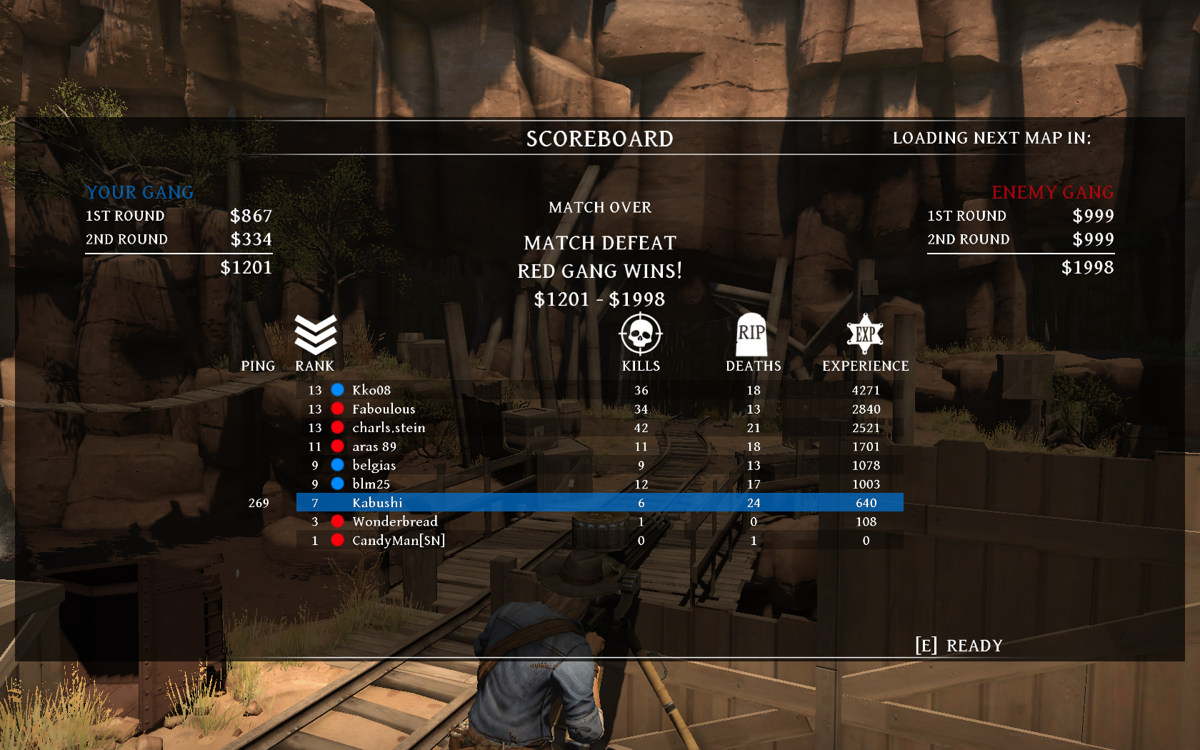
Lead and Gold: Gangs of the Wild West is a deliberately team-focused third-person shooter that trades lone-wolf heroics for dusty, close-range gang warfare. Its matches are built around objectives rather than simple kill counts, and that immediately gives the gunfights a useful sense of purpose. You are not just picking enemies off from cover: you are hauling gold, forcing your way into a capture zone, or trying to break a defending gang’s hold on a key position.
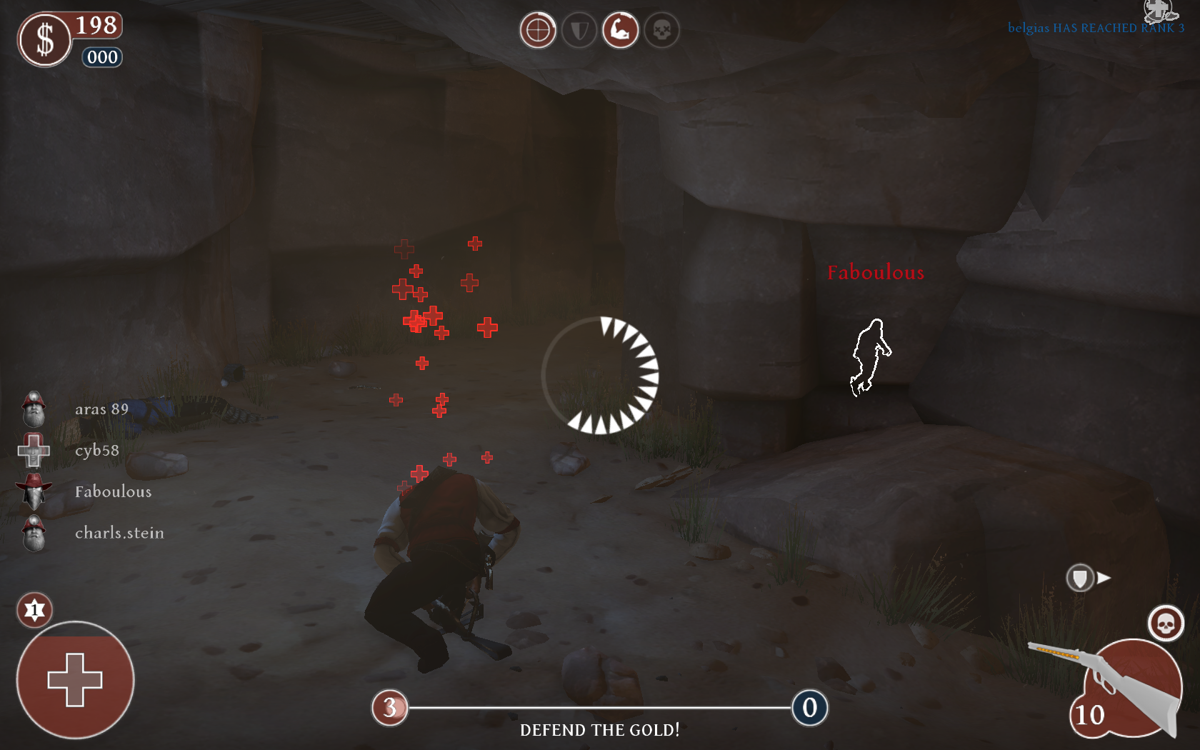
The four-class lineup gives the action its shape. The deputy, blaster, gunslinger, and trapper each approach combat from a different range and with a different tactical role, encouraging teams to mix their strengths instead of piling into the same firing lane. A good group feels like a gang with a plan: tougher characters can pressure contested ground, long-range threats can punish exposed opponents, and more specialized tools can make an approach dangerous or deny an area outright. The classes are distinct enough to make changing roles feel meaningful without turning the game into an impenetrable pile of abilities.
The synergy system is the game’s best idea because it rewards players for sticking together and acting like allies rather than treating teammates as mobile distractions. It pushes matches toward cooperation, whether that means supporting a gold carrier, holding a zone while a teammate raises the flag, or backing up a class whose weapons are better suited to a particular fight. The result is a shooter that can be satisfyingly tactical when players commit to the objective, though it can also become frustrating when a team refuses to coordinate.
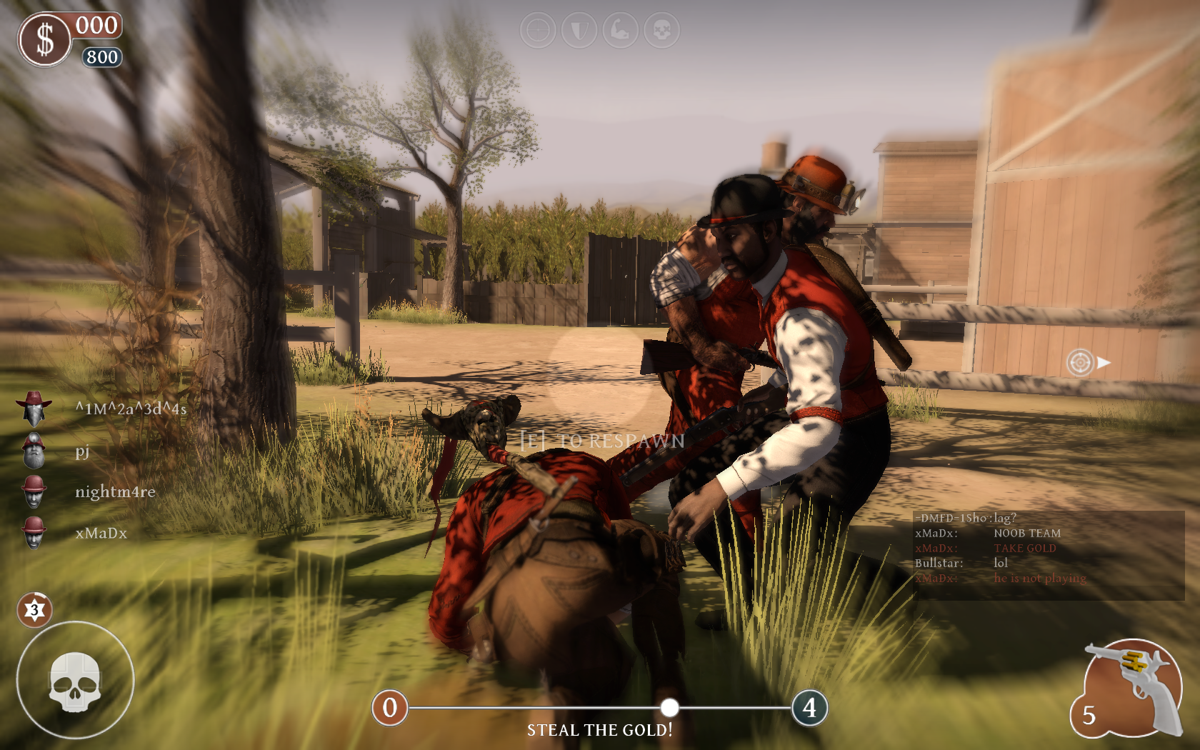
Greed is the more immediately readable mode: gold sacks appear on the map, one team must seize them, and the haul has to be carried safely to the drop-off point before another sack arrives. That one-at-a-time structure concentrates the action and creates clear turning points. Conquest is more methodical, asking gangs to clear control zones in sequence and remain present long enough to raise their flag. It rewards patience, positioning, and the ability to break a stubborn defense rather than merely winning a quick exchange of gunfire.
Graphics
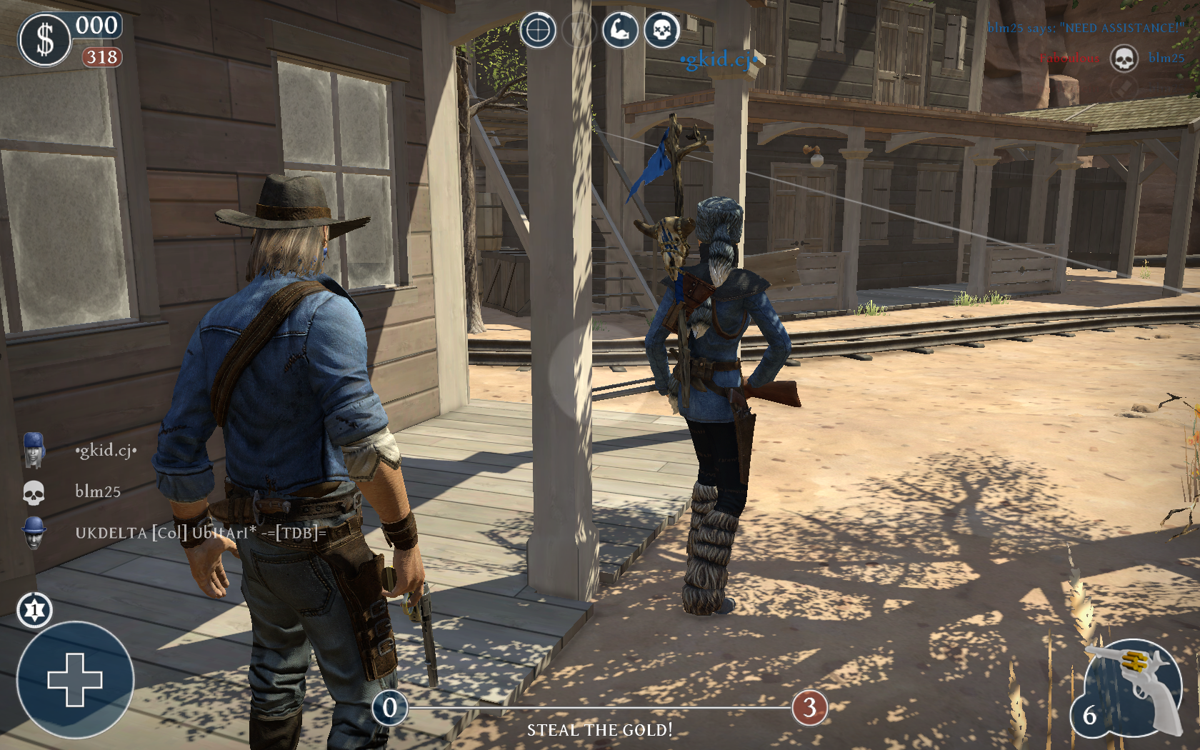
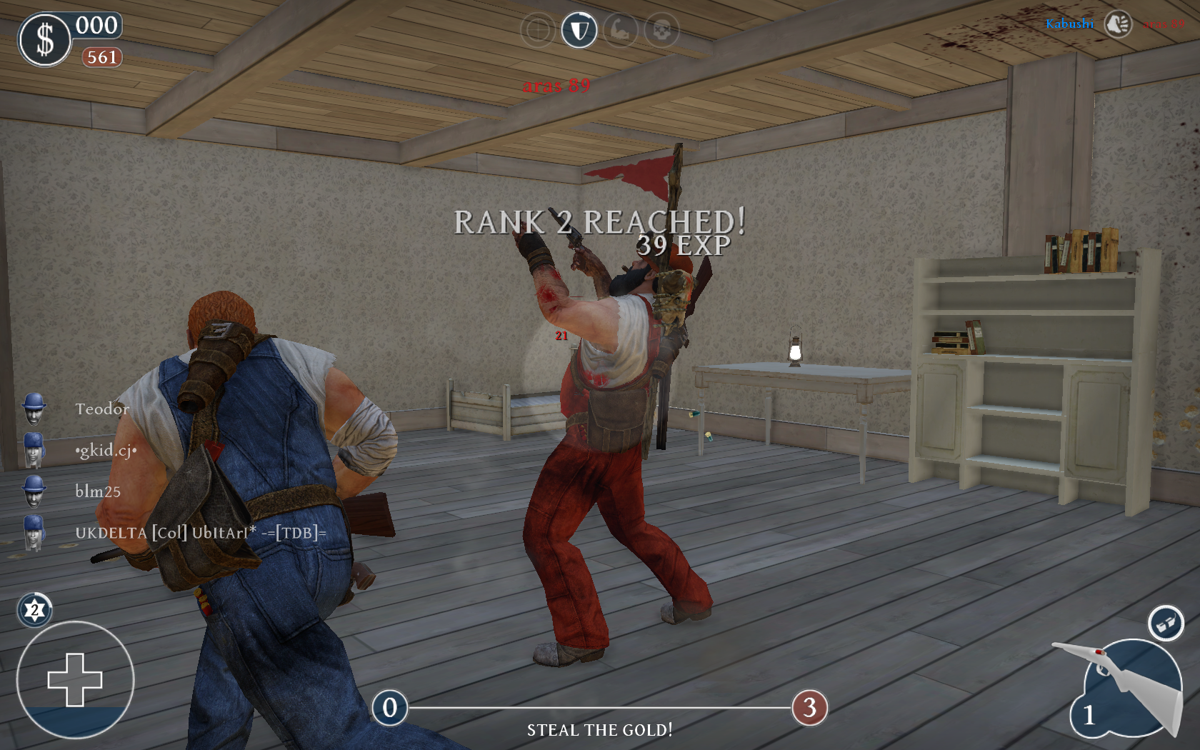
The game leans into a stylized nineteenth-century American West setting, giving its multiplayer arenas a welcome thematic identity. This is not a generic military shooter with cowboy hats pasted on top; the period weapons, gang-based conflict, and gold-driven objectives all reinforce the frontier mood. Running through a map with a sack of gold while enemies converge on your position carries a fittingly rough, desperate flavor.
Character design does important work in making the four classes legible at a glance. Since each role has its own weapons, abilities, and combat niche, their differing designs help players quickly understand the threats around them. In a multiplayer shooter where engagements can become chaotic, that kind of visual clarity matters more than ornamental detail. You want to know whether you are facing a foe built for a distant duel, a dangerous close push, or a trickier defensive approach.
The presentation is strongest when it serves the match flow: contested zones, spawned gold, and team objectives make the battlefield feel active rather than decorative. The Western setting also gives the familiar shooter routine a welcome change of costume. There is a gritty charm in seeing multiplayer competition framed as rival gangs squabbling over territory and loot instead of another anonymous war between uniformed factions.
Story
Lead and Gold does not build its appeal around a sweeping single-player narrative. Its story is the kind that emerges naturally from competition: rival gangs fighting over gold, land, and strategic ground in the nineteenth-century West. That is a light premise, but it is the right one for a multiplayer game whose best moments come from sudden reversals and hard-fought objective pushes.
Greed produces especially effective little stories during play. A sack of gold becomes the center of every player’s attention, and the match can pivot from a clean getaway to a desperate last stand in seconds. The carrier needs protection, teammates need to clear a route, and defenders need only one well-timed interception to turn a successful push into a disaster. Those unscripted struggles give the game more personality than a conventional deathmatch.
Conquest has a different rhythm, telling a story of advancing control rather than theft. Each sequential zone feels like another stretch of territory being wrested from the opposing gang. The requirement to remove enemies and stay in the area until the flag is raised creates a strong sense of occupation: winning a firefight is not enough if your gang cannot hold its nerve under pressure.
The attack-and-defense concepts behind Robbery and Powder Keg also suit the setting neatly. Stealing gold from defenders and using powder kegs to destroy a strategic target are classic Western-flavored conflicts, and the side-switching structure ensures that both teams must prove they can attack with aggression and defend with discipline. These modes broaden the game’s objective-driven identity rather than merely adding another excuse to shoot opponents.
Overall Experience
Lead and Gold: Gangs of the Wild West is at its best with players who enjoy cooperation, clear objectives, and class-based firefights without the overwhelming complexity of a full-scale tactical shooter. The six-map launch lineup keeps the focus tight, while the available modes offer different kinds of pressure: Greed emphasizes escorting and interception, while Conquest favors steady territorial control. The game understands that multiplayer matches need goals people can instantly read and fight over.
Its greatest strength is that every mechanic points back toward teamwork. The class system gives players reasons to fill different roles, the synergy system rewards close support, and the objective modes punish gangs that confuse individual kill-chasing with actually winning. When a team moves together, covers the right angles, and commits to carrying gold or holding a capture point, the game delivers the kind of lively tactical chaos that makes multiplayer shooters memorable.
The downside is equally clear: this is not a game for players looking for a sprawling solo campaign, a huge buffet of modes, or a shooter built around personal domination. The focused selection of classes, maps, and competitive scenarios gives it a direct, old-fashioned multiplayer feel. That can make matches feel repetitive for players who need constant novelty, but it also means the game gets to the good part quickly and asks players to master teamwork rather than chase distractions.
For fans of third-person shooters who want a Wild West setting with real objective play, Lead and Gold is an engaging choice. Its dusty gang warfare is most rewarding when played with a coordinated group willing to protect the carrier, contest the flag, and use each class as part of a larger plan. It may be lean, but its focused design gives every sack of gold and every captured zone a satisfying weight.


Reviews
There are no reviews yet.