 Retro Replay Retro Gaming History, Reviews & Emulation
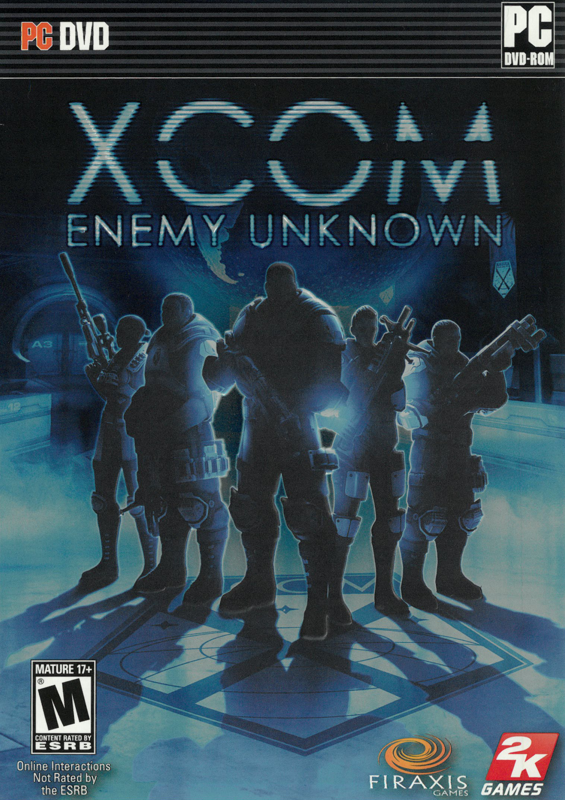

Retro Replay Review
Gameplay
The first few missions make XCOM: Enemy Unknown feel invitingly direct: move a small squad into cover, uncover the map through line of sight, and take carefully calculated shots at an alien force you cannot fully see. Then it starts tightening the screws. A solid percentage chance still means a miss is possible, a wall can be destroyed along with the protection it offered, and one bad turn can leave a soldier exposed. The result is not merely a tactics game about finding the strongest attack; it is a game about making a backup plan before your first one falls apart.
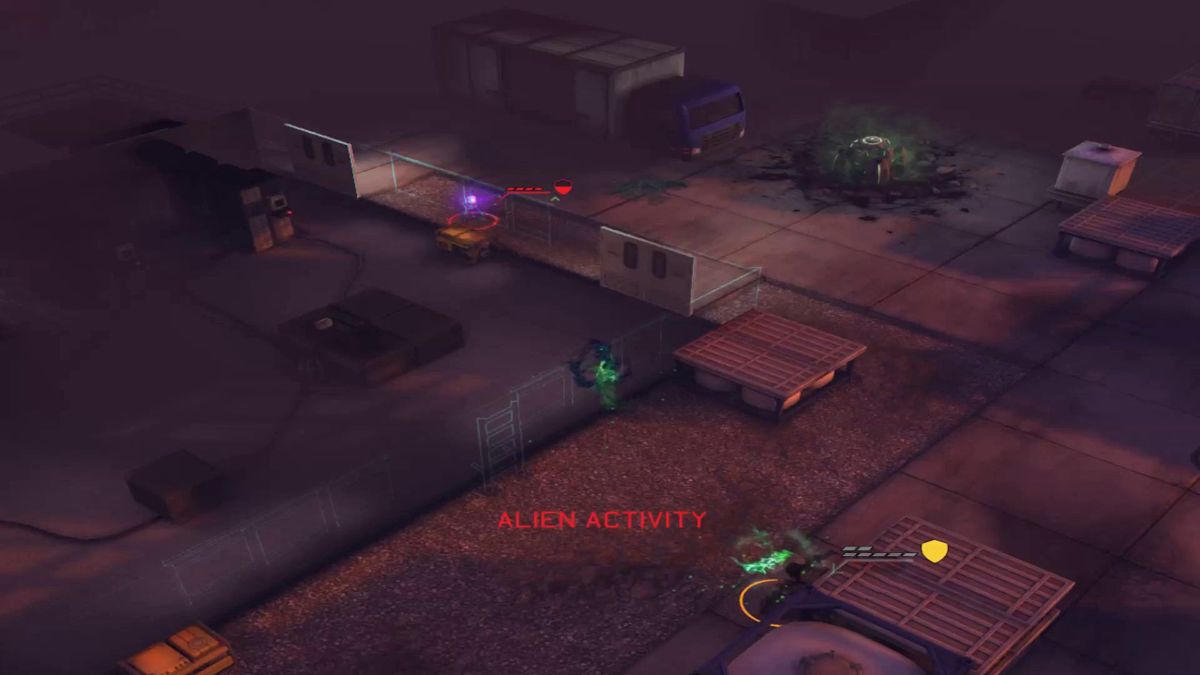
The camera earns its keep. The floating isometric view makes it easy to survey a compact mission area, while the closer tactical angle is useful when you need to judge an attack. Fog of war keeps the advance cautious, and destructible terrain prevents cover from becoming a permanent answer. Suppressive fire and active camouflage add room for clever repositioning, but the broad lesson stays simple: do not sprint ahead assuming the battlefield will remain stable.
Soldier progression is where a successful campaign becomes personal. Troops settle into Assault, Heavy, Sniper, or Support roles after their first mission, then gain abilities, weapons, healing options, and customized loadouts. You begin to build habits around reliable squad members, only to discover that injuries force them to rest. Managing a roster rather than one untouchable dream team is essential, and it makes every casualty sting. Ironman mode pushes that tension even further by refusing mid-mission saves; it is a superb option once you are ready to live with every disastrous roll.
Back at headquarters, XCOM avoids treating strategy as downtime. Captured aliens and recovered technology feed research and development, new rooms expand the underground base, and money must cover satellites, their silos, interceptors, and the rest of the growing operation. Three countries may ask for help while you can answer only one call, so panic and funding become hard priorities instead of background meters. This layer can feel punishing when several problems arrive together, but that pressure is exactly why a successful month feels earned.

Graphics
The 3D isometric battle screens make troop movement and cover easy to follow, especially because walls fade away when they would block your view. Switching closer for an attack gives firefights a more immediate angle without losing the battlefield overview. The holographic Earth view in the Geoscape also gives satellite coverage and alien activity a clean, understandable place on the map.
Story
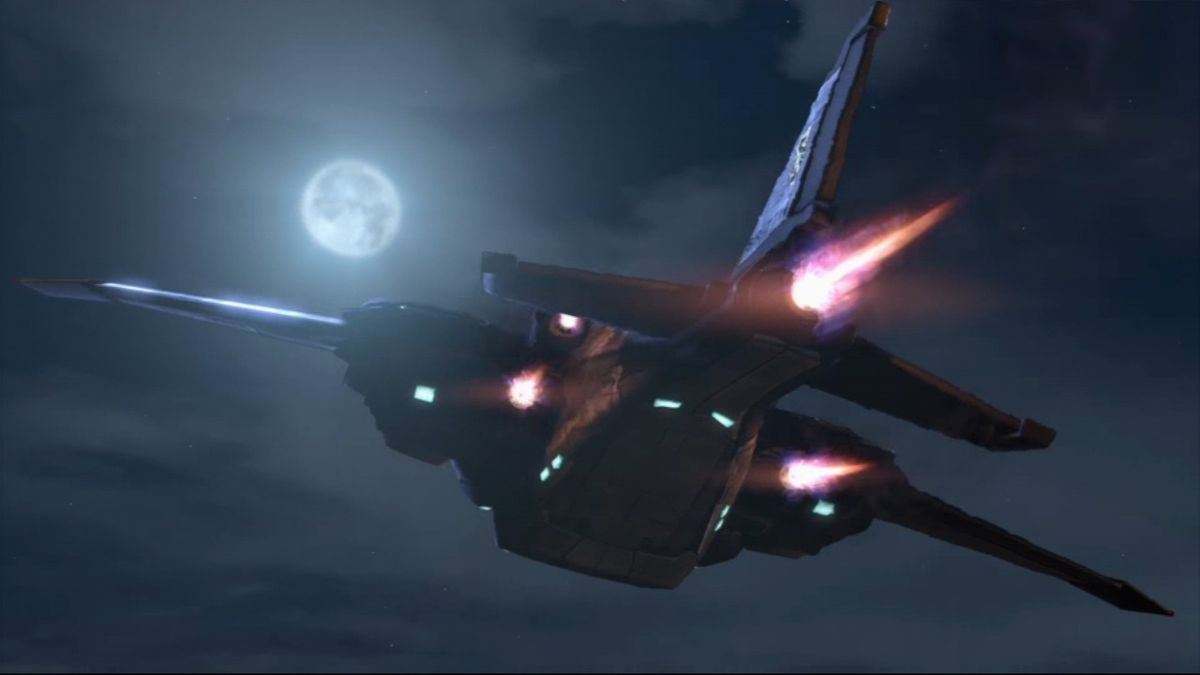
This is an invasion story built around command pressure rather than a sprawling cast drama. Earth’s regular military efforts have failed, and you take charge of the multinational XCOM organization as it tries to keep the response from collapsing. Cutscenes advance that larger thread, but the campaign’s most persuasive storytelling happens in the gap between mission briefings: the country you could not protect, the funding lost to rising panic, and the soldier now sidelined after coming home hurt.
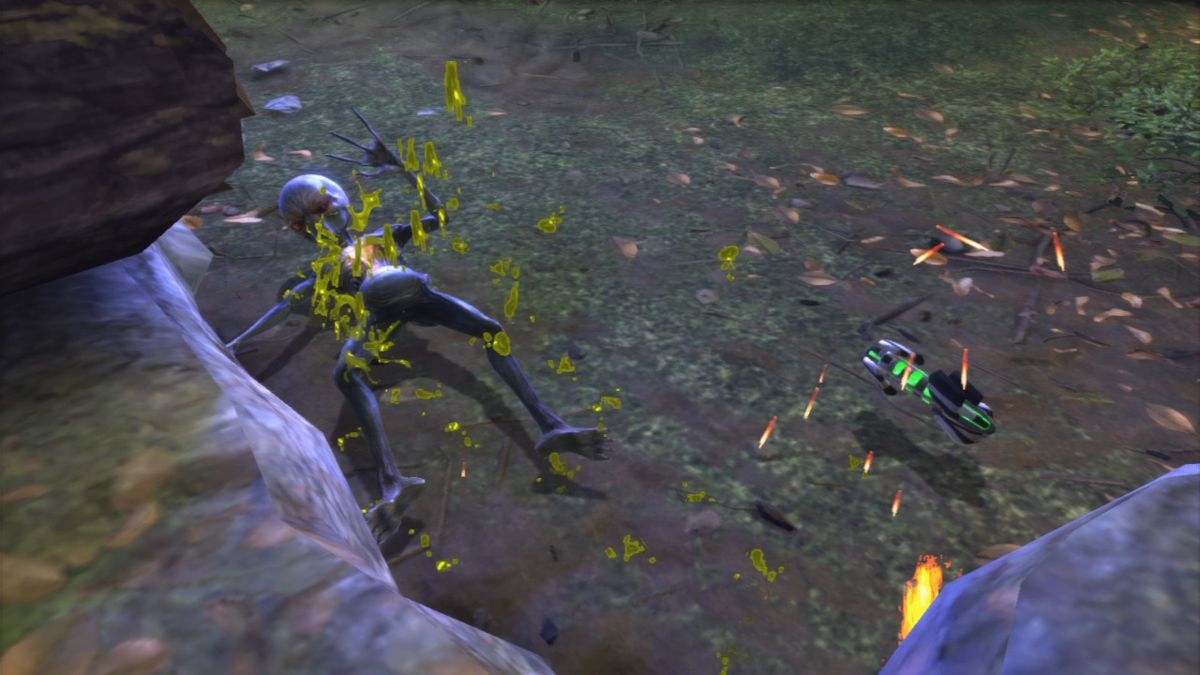
The aliens steadily make the conflict feel less routine. Early encounters give way to threats such as poison at range from Thin Men and, later, psionic abilities. Recovering alien material and eventually gaining access to related technology gives research a satisfying narrative purpose: knowledge comes from surviving the enemy long enough to understand it.
Anyone wanting background on the remake’s release and history can find it in this XCOM: Enemy Unknown overview. In play, though, the story lands because the campaign turns the broad objective of defending Earth into a chain of painful local decisions.
Overall Experience
XCOM: Enemy Unknown is excellent because it understands that tension needs consequences. A mission is not simply a self-contained puzzle; it affects your research pace, squad availability, regional panic, and finances. That connection makes even a modest victory satisfying, while a setback can create the kind of recovery story that strategy fans remember for years.
It does streamline the original formula. There is no detailed inventory system, time-unit system, or always-visible grid map, and troops deploy immediately rather than disembarking from transport. For many people, that focus is a strength: turns move cleanly, the squad roles are easy to grasp, and the important choices are front and center. If you specifically want the denser simulation of the older X-COM, the simplification may take adjustment.
Give it a chance if you enjoy tactical games that ask you to accept imperfect information and live with the outcome. Be patient during the first hour, rotate your injured troops, and resist spending every resource on the latest short-term crisis. The frustration of missed shots and collapsing plans is real, but the payoff is stronger for it: XCOM makes you feel like a commander not because it gives you total control, but because it makes you carry responsibility when control fails.


Reviews
There are no reviews yet.