 Retro Replay Retro Gaming History, Reviews & Emulation

Retro Replay Review
Gameplay
The first thing to understand about Slayers Royal is that it refuses the usual RPG bargain. You do not come out of fights richer and stronger simply because you fought them. Instead, your combat readiness comes from how rested and how full your characters are before battle. That can be a jarring adjustment if you arrive expecting to grind your way past trouble, but it also gives preparation real weight. You have to think about the party as people who need looking after, not just a row of numbers waiting to rise.
Combat moves into 3D, turn-based arenas, where you can take direct control of each party member or let the AI handle them. That choice is welcome: manual control suits anyone who wants to manage a difficult situation carefully, while automation can keep routine encounters from becoming a chore. Magic is powerful but not endlessly spammable, since every spell carries a wait time before that character can cast again. The result is a slower tactical rhythm where timing matters and magical options need a little restraint.
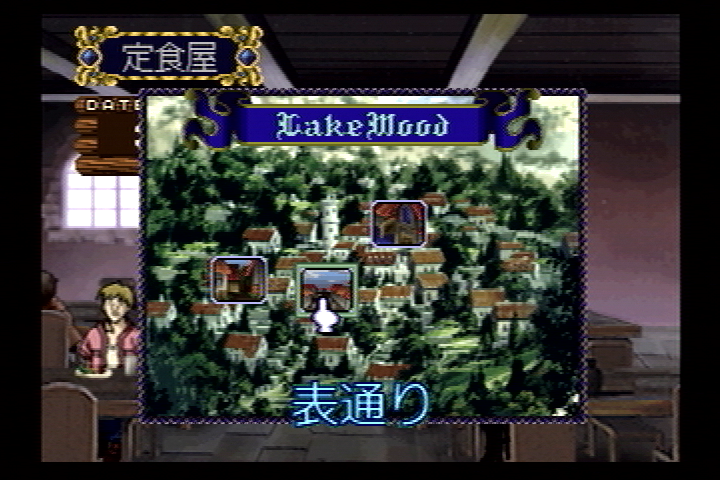
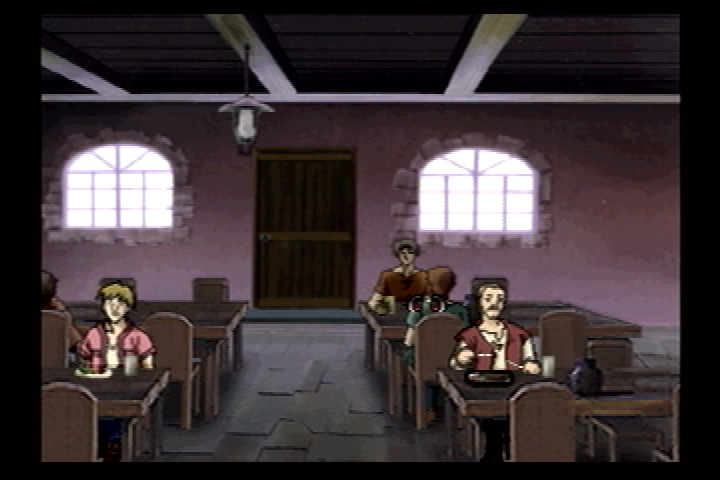
Between battles, the 2D town sections let you move among areas and inspect objects or speak to people. The conversations are more than decorative flavor, because choices can earn the group stat upgrades or money. That gives you a reason to pay attention to Lina’s exchanges with her companions rather than rushing through every dialogue box. Some scenes are voiced, which should be a nice bonus for anyone coming specifically for the cast’s personalities.
The friction is obvious, too. A battle system tied to rest and food will not suit every mood, particularly when you want the familiar comfort of earning experience through combat. But the game’s systems at least have a point of view. If you enjoy learning a game’s peculiar rules instead of treating every encounter as a reward dispenser, Slayers Royal has more character than its basic premise might suggest.
Graphics
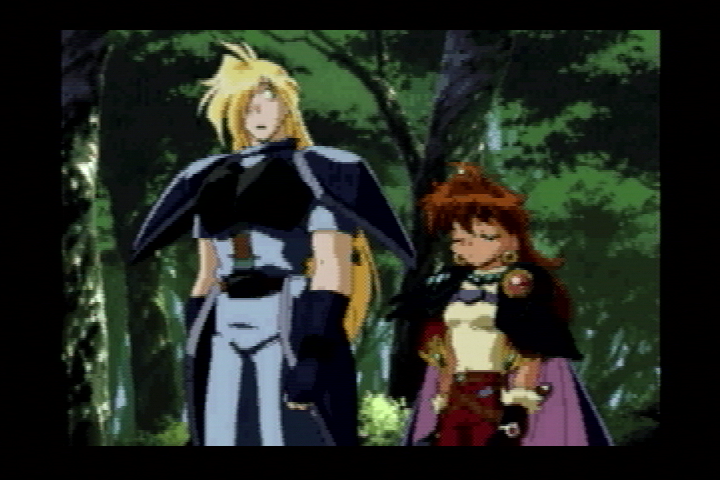
The game divides its look between 2D town screens and 3D battle arenas. Town exploration keeps characters, objects, and conversation targets front and center, while the shift to 3D gives the turn-based fights a distinct space of their own. It is a functional split that makes wandering around town feel separate from planning a battle.
Story
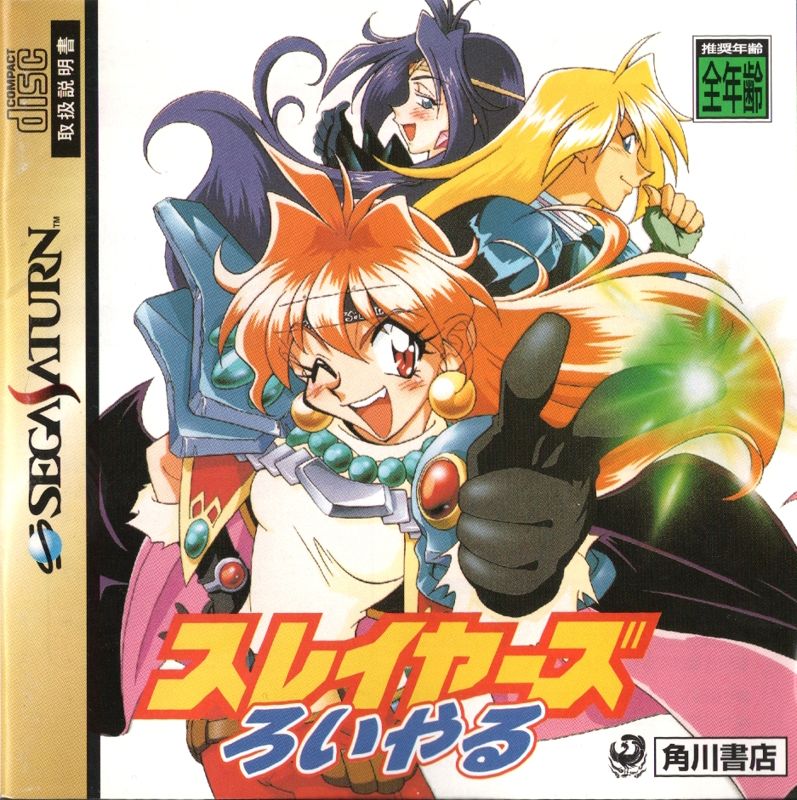
This is a broad, high-stakes Slayers setup: Lina, Gourry, and Naga reunite, and almost immediately find themselves facing a threat to the whole world. It is not trying to ease you into a small local problem. The story gets its momentum from throwing its central trio back into danger before they have even had time to settle in.
The real draw is the chance to spend time with that group and with returning friends. Lina’s conversations with her companions are a regular part of the town-side experience, and the occasional voiced exchange gives those moments extra lift. For a licensed game, that focus is smart: the party dynamics are not merely a backdrop to the tactical battles.
Because dialogue choices can affect stat upgrades and money, conversations carry practical stakes as well as story value. That is a good fit for a game built around an ensemble; paying attention to the cast can directly help your next outing. Fans invested in Lina, Gourry, and Naga will get the most from this structure, while newcomers may find the world-saving framework straightforward but less personally resonant.
Overall Experience
Slayers Royal is most enjoyable when you meet it on its own terms. It mixes town exploration and character conversations with tactical, turn-based battles, then asks you to manage the party’s basic condition instead of chasing conventional battle rewards. That is unusual enough to be divisive, but it is also the reason the game feels like more than a standard licensed RPG.
You should give it a chance if the Slayers cast is already a draw and you like tactics games that ask for a little planning before the first turn. Direct control, optional AI, delayed spellcasting, and dialogue choices create several ways to engage with the party without turning the experience into a pure numbers grind. There is a satisfying logic to its oddest decisions once you accept that battle preparation matters.
On the other hand, you may bounce off it if you want quick combat rewards or a steady stream of character growth from every victory. Its strongest quality is also its biggest hurdle: progress asks for attention to food, rest, timing, and conversations. For the right gamer, that makes the world-saving adventure feel specific and pleasantly strange. For everyone else, it may feel like an unnecessary detour from the action.

Reviews
There are no reviews yet.