 Retro Replay Retro Gaming History, Reviews & Emulation
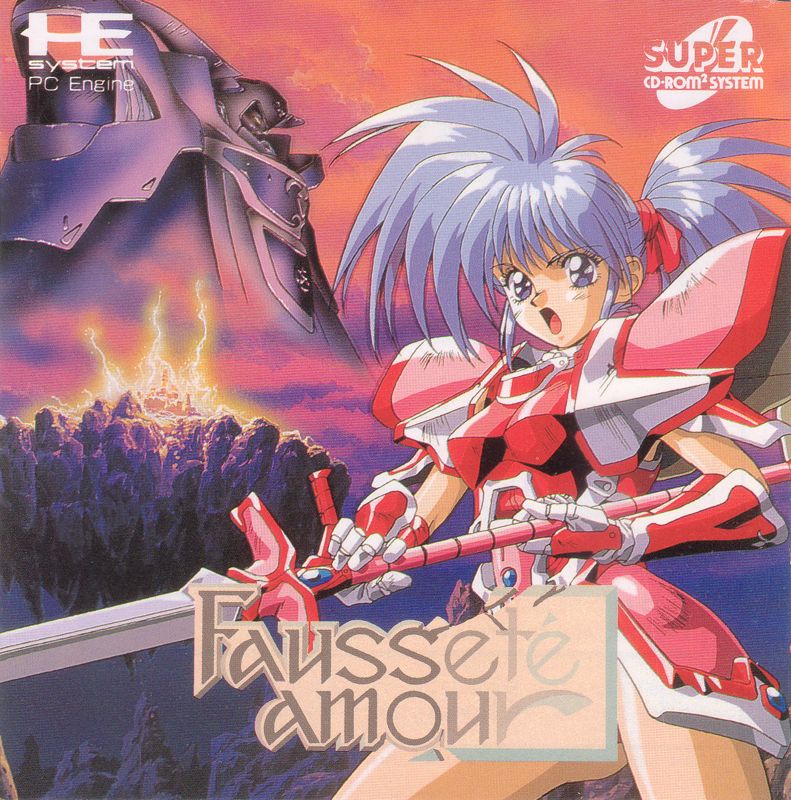

Retro Replay Review
Gameplay
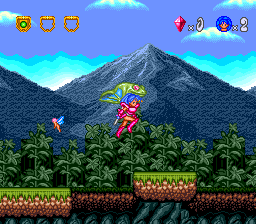
The first few minutes give you a clear reason to push ahead: Koruku has a regular chain-like weapon for enemies, three offensive spells, and a stage layout built around platforms rather than a flat march to the exit. It is recognizably a 1990s side-scrolling action game, but the chain’s use as a grapple gives it more personality than a standard sword-swinging platformer. You are not merely looking for the next safe landing; higher platforms can become routes once you double-jump, connect the grapple, swing, and jump again.
That traversal wrinkle is where the game is likely to click. Grappling your way upward sounds simple, yet it asks you to make good use of Koruku’s movement in spaces designed to be larger than a single screen-sized obstacle course. The boss battles at each stage’s end also give the journey a proper destination. If you enjoy action platformers where getting through the level matters as much as winning individual fights, this is the strongest argument in its favor.
The punishment for being hit is severe enough to create tension. One blow removes Koruku’s armor; another ends the attempt. Fairies scattered in the stages can yield replacement armor or magic-restoring orbs when struck, so they are valuable breathing room rather than mere decoration. That structure can make a rough encounter frustrating, particularly when you are trying to preserve armor, but it also means the resource pickups and spells have genuine weight. Play patiently, learn when a grapple route is safer than forcing a fight, and do not treat magic as something to hoard forever.

Graphics
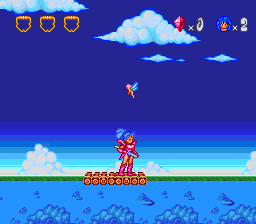
The game pairs side-view platform stages with anime-style cutscenes between them. Koruku’s armor-loss system is visually central to the action, changing her appearance after damage before the next hit kills her; it is an undeniably provocative choice for a young protagonist, even though the game does not depict explicit nudity.
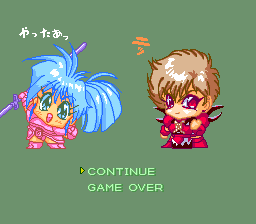
The cutscenes carry the more dramatic side of the game, using anime imagery and voice acting to bridge the stages and keep Koruku’s rescue mission in view.
Story
Koruku’s goal could not be clearer: Goatbone has used mind control and shape-shifting to turn her friends into monsters, abducted her sister, and burned her village. An old man’s gift of armor, a weapon, and magic sends her toward the demon’s lair. It is broad fantasy melodrama, but it gives the platforming a useful emotional stake from the outset.
The strongest story idea is also its bleakest: Koruku is not simply clearing monsters from her path, but facing friends who now obey Goatbone. That puts a more personal edge on the boss-driven structure and makes the rescue feel more urgent than a generic march toward an evil ruler.
Anime cutscenes with voice acting deliver the story between stages, while CD audio accompanies both those scenes and the action. The result is a game that leans into heightened, old-school anime drama rather than subtlety. If you enjoy that earnest style, the plot has enough personal damage behind its familiar revenge-and-rescue setup to keep you invested.
Overall Experience
Fausseté Amour is worth a look for the chain grapple first. Combining it with double-jumping turns Koruku’s movement into more than routine platform hopping, and the large stages give that ability room to matter. The mix of direct melee, three spells, collectible recovery, and boss finales gives its action a solid arcade backbone.
Its harsher edges will decide whether you finish it. The two-hit armor system makes mistakes costly, and the way it depicts that damage is difficult to separate from the game’s otherwise sincere young-heroine story. This is not a game to recommend for its handling of Koruku alone; it is one to recommend to someone who can tolerate that dated choice because the movement and stage-to-boss rhythm sound appealing.
For a gamer with a taste for offbeat TurboGrafx CD action games, the payoff is a compact-looking fantasy adventure with a memorable traversal hook and plenty of melodramatic energy. Go in for the swinging and platforming, stay if Koruku’s desperate fight to reclaim her sister and friends catches you. It is an uneven package, but not an anonymous one.



Reviews
There are no reviews yet.