 Retro Replay Retro Gaming History, Reviews & Emulation
Retro Replay Review
Gameplay
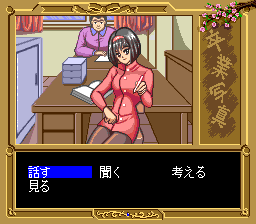
The first decision is refreshingly simple: pick Sotsugyō Shashin or Miki from the main menu. The real hook lies in Sotsugyō Shashin, where this edition does more than polish the earlier computer game. You can play as Naoki Muraoka or select Hiromi Kamura, then experience the same central events from a different point of view. That alone gives a second run a purpose beyond merely chasing a better result.
Choice matters more here than it did in the original Sotsugyō Shashin. Instead of heading toward one fixed conclusion, your decisions can alter the story’s course and lead Naoki to one of seven endings or Hiromi to one of ten. For a game built around following a narrative, that is a substantial upgrade. It encourages you to pay attention to your responses and makes the two protagonists feel like routes worth comparing rather than a token alternate selection.
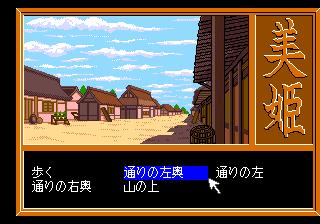
Miki takes the more archival route. Its gameplay remains largely unchanged, so it is less likely to be the reason you buy the collection if you want the most expanded version of the formula. Still, having both games together is useful: you can move from the familiar original-style structure of Miki to the more flexible branching of Sotsugyō Shashin and feel exactly where this release puts its effort.
Graphics
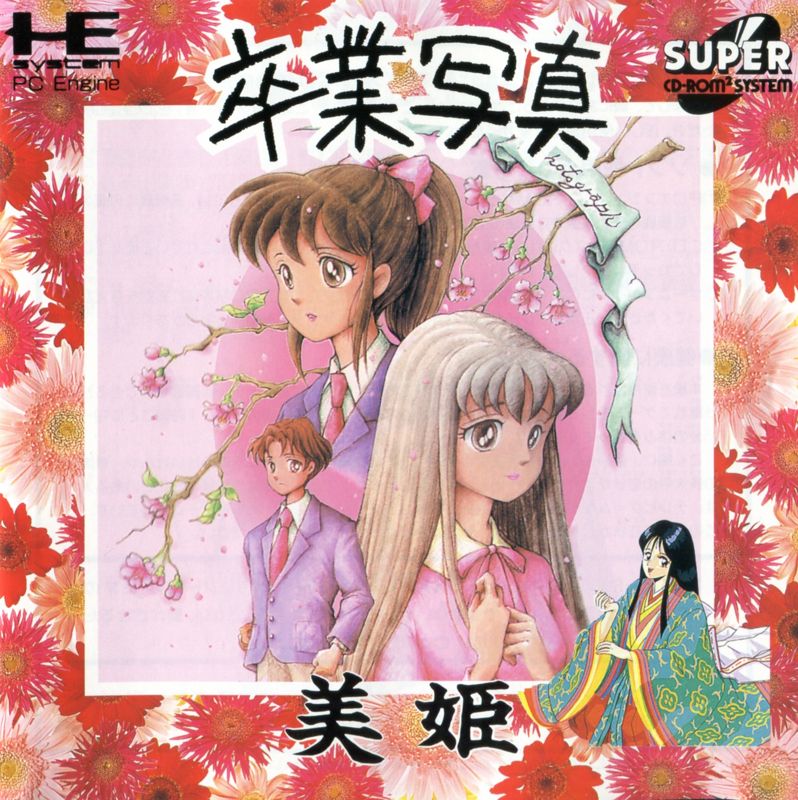
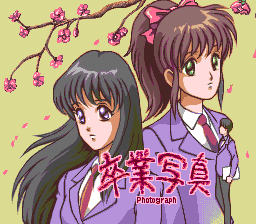
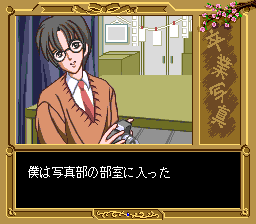
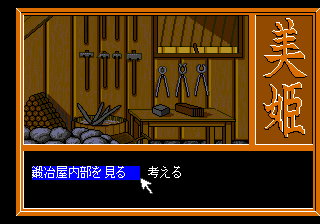
The artwork has been redrawn for this release, carrying the anime/manga character focus into the TurboGrafx CD version. It is a welcome touch for a pair of first-person adventures that depend heavily on character and story scenes to hold your attention.
Story
Sotsugyō Shashin gains much of its interest from its dual-protagonist structure. Naoki’s scenario no longer stands alone; Hiromi’s route frames the same events through her perspective. That setup is stronger than a simple alternate ending because it invites you to reconsider what you thought you understood after the first playthrough.
The branching endings give the story room to feel responsive. Naoki has seven possible conclusions, while Hiromi has ten, and that difference makes Hiromi’s newly added scenario especially tempting if you enjoy mapping out narrative paths. You are not just replaying for a changed final screen; the edition is explicitly built around choices influencing how the story unfolds.
Miki does not receive the same structural overhaul, so its story is the more straightforward half of the package. That contrast is useful rather than damaging. It makes the collection feel like a look at two related adventures, with one preserved largely as it was and the other widened into a more replayable story.
Overall Experience
This is a good fit if you enjoy sitting with a narrative, making choices, and returning to see how another viewpoint changes the shape of familiar events. The added voice-overs and remixed soundtrack give the package a more complete CD-era treatment, while the refreshed art helps distinguish it from the earlier computer releases.
The caveat is simple: the biggest reason to commit is Sotsugyō Shashin, not a radically remade Miki. If a branching first-person anime fantasy adventure sounds like your kind of slow-burn game, Hiromi’s route and the combined seventeen endings make the enhanced half compelling. If you need constant mechanical novelty, the package’s story-first focus may feel narrow.
For the right gamer, though, the payoff is real. Play Naoki’s path first, then switch to Hiromi once the shared events are fresh in your mind. That is where this version stops feeling like a rerelease with extras and starts feeling like a more thoughtful, more replayable edition of Sotsugyō Shashin.


Reviews
There are no reviews yet.