 Retro Replay Retro Gaming History, Reviews & Emulation
Retro Replay Review
Gameplay
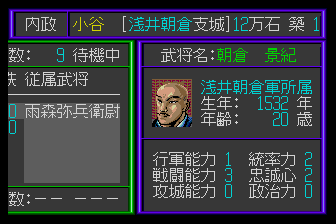
The first decisions in Zan: Kagerō no Toki carry the right kind of weight. You select a region of Japan and its leader, then start balancing what happens within your own territory against the ambitions of the other rulers. It is a stronger foundation than a strategy game that treats conquest as the only answer, because a quiet turn spent arranging your position can matter as much as a battle.
Diplomacy is where the game earns its historical focus. Negotiations, contracts, and peace treaties give you ways to handle rivals besides immediately marching on them. That does not make the game gentle; it makes it more interesting. You have room to try a political solution when your forces are not ready, and the pressure comes from judging whether an agreement is useful or merely delays the next conflict.
Combat asks more of you than the earlier semi-automatic approach. Battles unfold on their own maps, and you actively move your units before engaging the enemy in close combat. That shift is the heart of the sequel’s added depth. You are no longer just setting a broad direction and accepting the result; positioning becomes part of the decision-making, so a bad approach can turn a seemingly straightforward fight into an aggravating mistake.
This is not a breezy pick-up-and-play strategy game. The satisfaction comes when the political layer and battlefield layer begin to inform each other: make an agreement to buy time, improve your position, then commit to a fight on terms you can manage. If you enjoy being asked to think before acting, the slower pace is a virtue rather than a drag.
Graphics
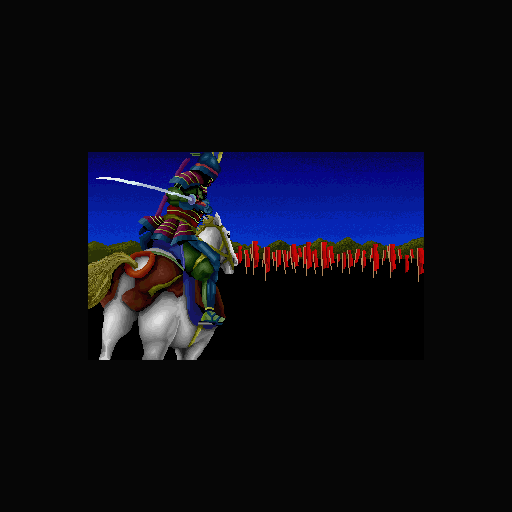
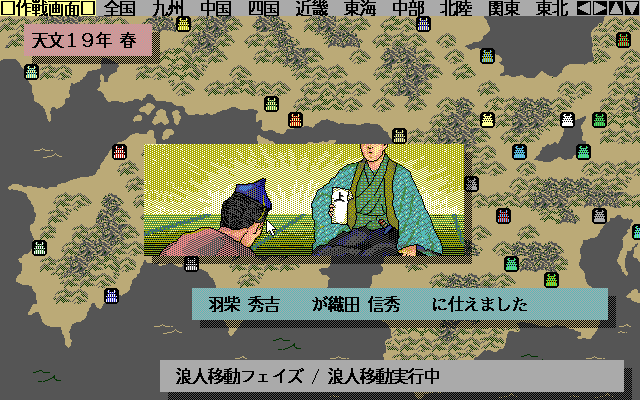
The game uses an anime/manga style within its historical Japanese setting. Its most useful visual choice is the separate battle-map view, which puts the focus on following unit movement and the moment forces close in for combat rather than treating war as an abstract result.
Story
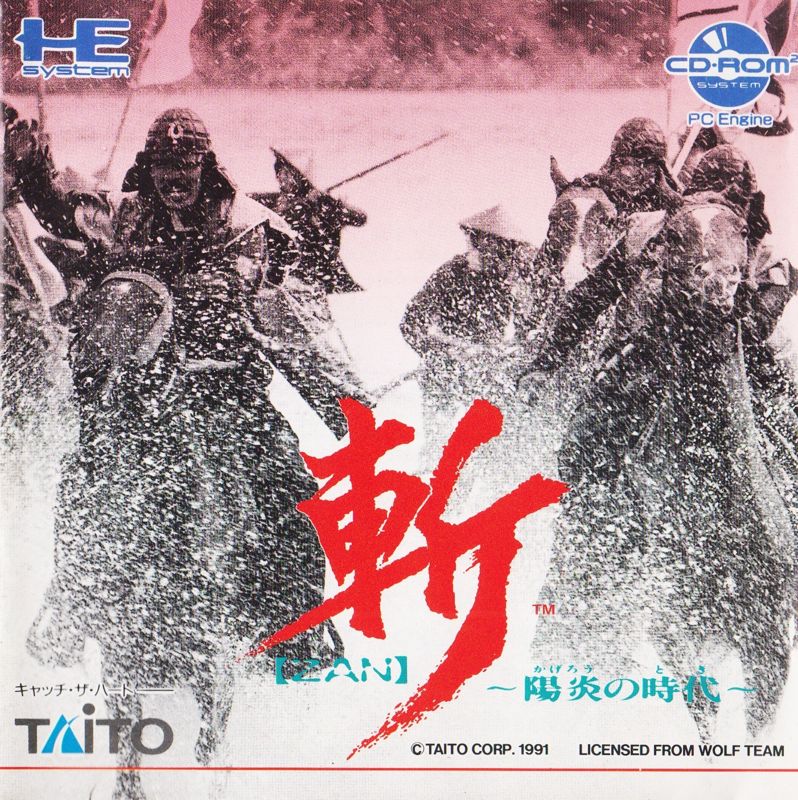
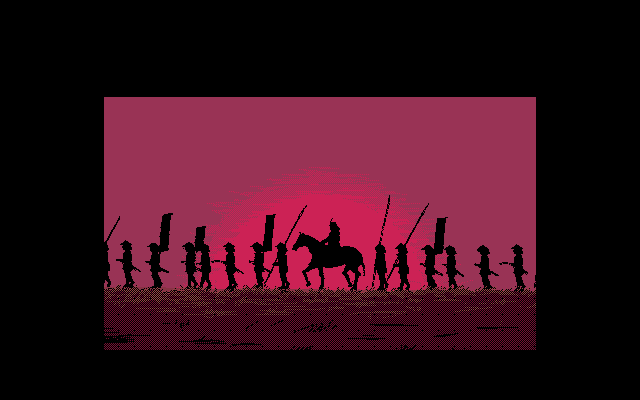
Kagerō no Toki trades supernatural conflict for the concrete struggles of 16th-century Japan. That is more than a cosmetic change. By centering continuous warfare and the competing leaders of the Sengoku period, the game gives its strategic choices a firmer historical frame.
Figures such as Oda Nobunaga and Tokugawa Ieyasu place the campaign in a period already rich with shifting power and uneasy alliances. The game’s negotiations and peace treaties fit that backdrop particularly well, because diplomacy feels like part of the central conflict instead of a side activity pasted onto a war game.
If you came looking for demons and fantasy escalation, this installment deliberately goes another way. Its drama is rooted in leaders, regions, and rival claims. That grounded direction suits a game whose strongest moments come from weighing political risk against military action.
Overall Experience
Zan: Kagerō no Toki is a meaningful step forward for the series because it gives you more ways to shape a campaign and more responsibility when war finally arrives. The move from semi-automatic battles to direct unit navigation makes conflict more involving, while diplomacy stops the strategic layer from becoming a single-minded rush to conquer.
Its frustrations are tied to that ambition. You cannot simply expect a quick resolution whenever armies meet, and the larger set of political and military choices demands attention. Still, that friction is usually the point: the game wants you to live with the consequences of your decisions rather than skate past them.
Give it a chance if you want a turn-based historical strategy game that treats the Sengoku period as a contest of both negotiation and force. The payoff is a campaign where a treaty, a regional decision, and a unit’s route toward close combat all feel connected. It is a more grounded, more deliberate sequel, and the added depth is worth the extra thought.


Reviews
There are no reviews yet.