 Retro Replay Retro Gaming History, Reviews & Emulation
Retro Replay Review
Gameplay
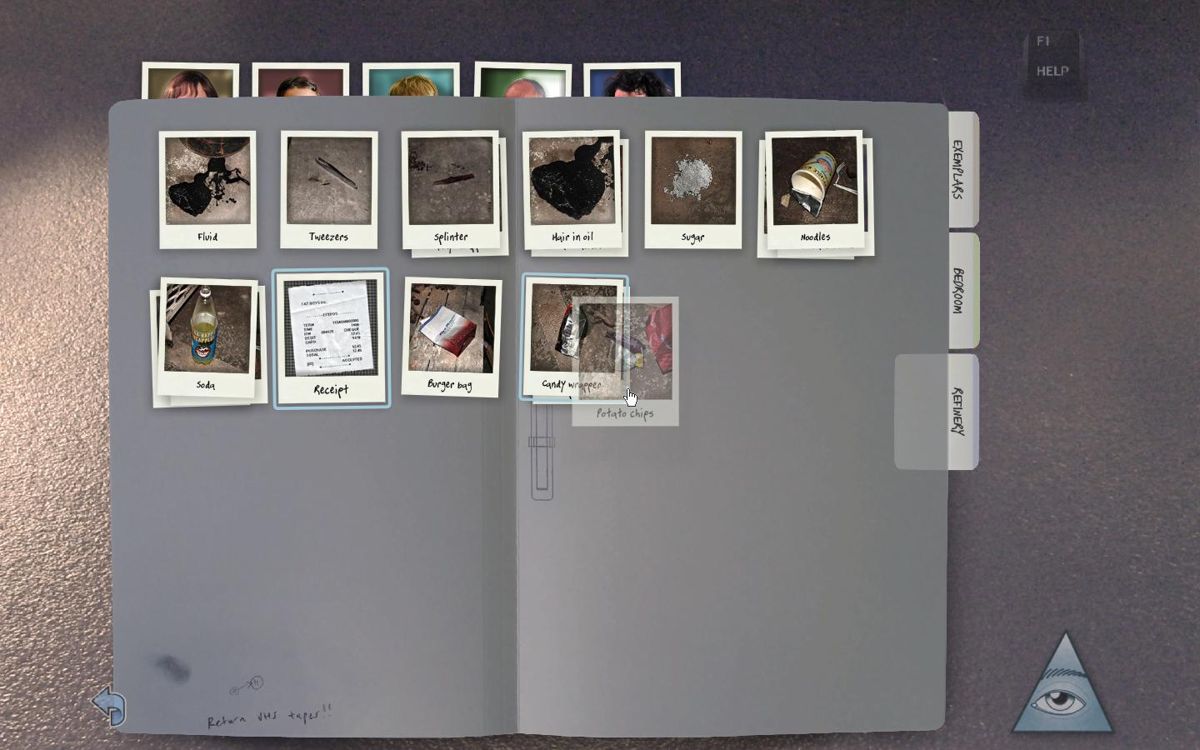
The first draw here is simple: you are not just moving through three detective stories, you are being asked to account for the evidence. Casebook Trilogy: Special Edition tracks what you find and separates essential Hard Evidence from optional Other Evidence, so every case has a built-in tension between reaching the solution and leaving no stone unturned. If you enjoy finishing a mystery with a nagging sense that there may still be one overlooked clue, those statistics give you a concrete reason to go back.
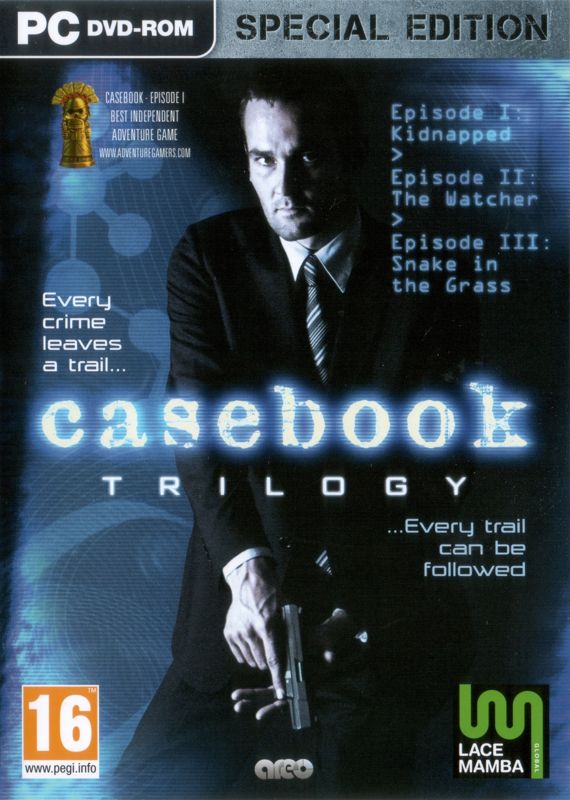
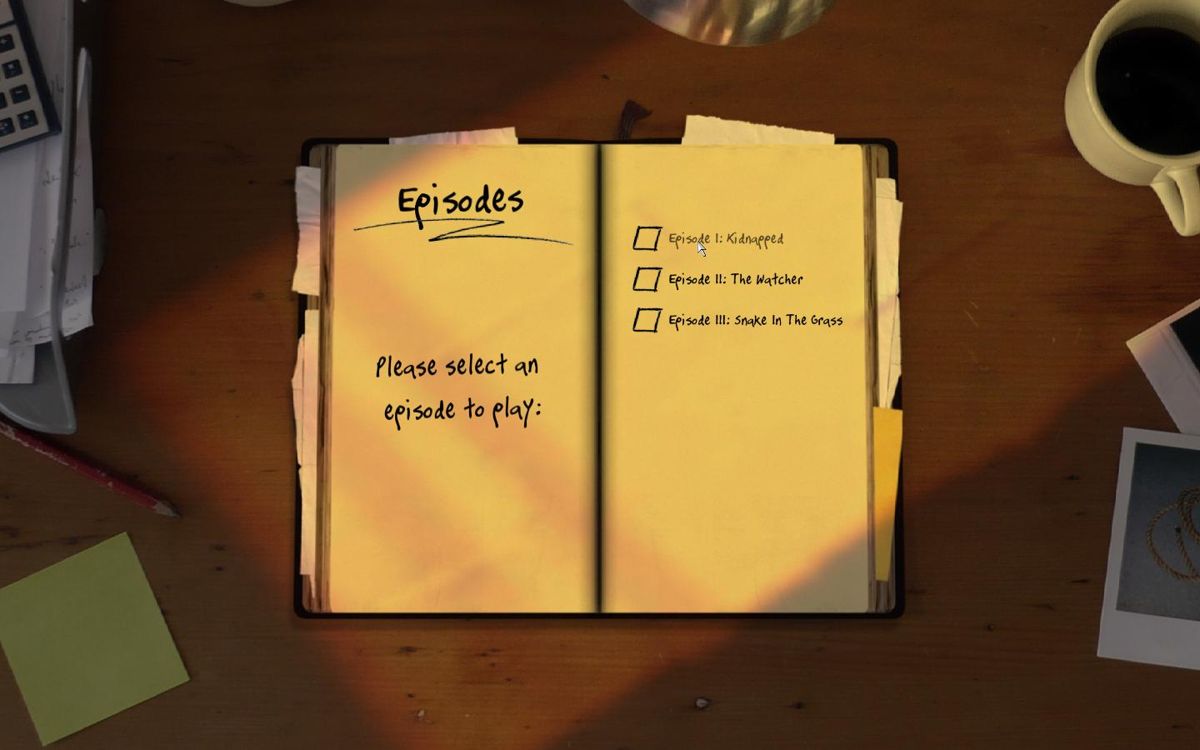
The new evidence-linking system is the strongest idea in the package because it asks you to turn discoveries into conclusions. That is a much better fit for a forensic mystery than simply collecting objects or ticking through dialogue. The compilation’s three episodes—Kidnapped, The Watcher, and Snake in the Grass—give that process room to develop, making this feel like a sustained detective project rather than one brief case.
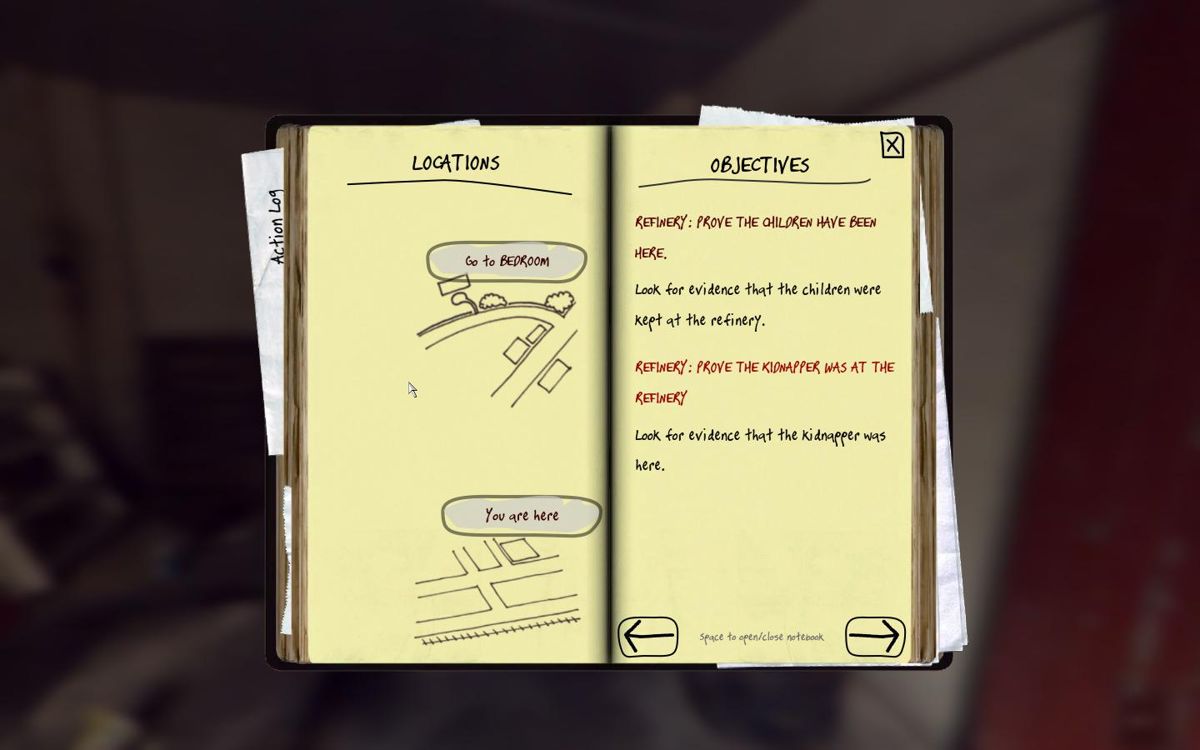
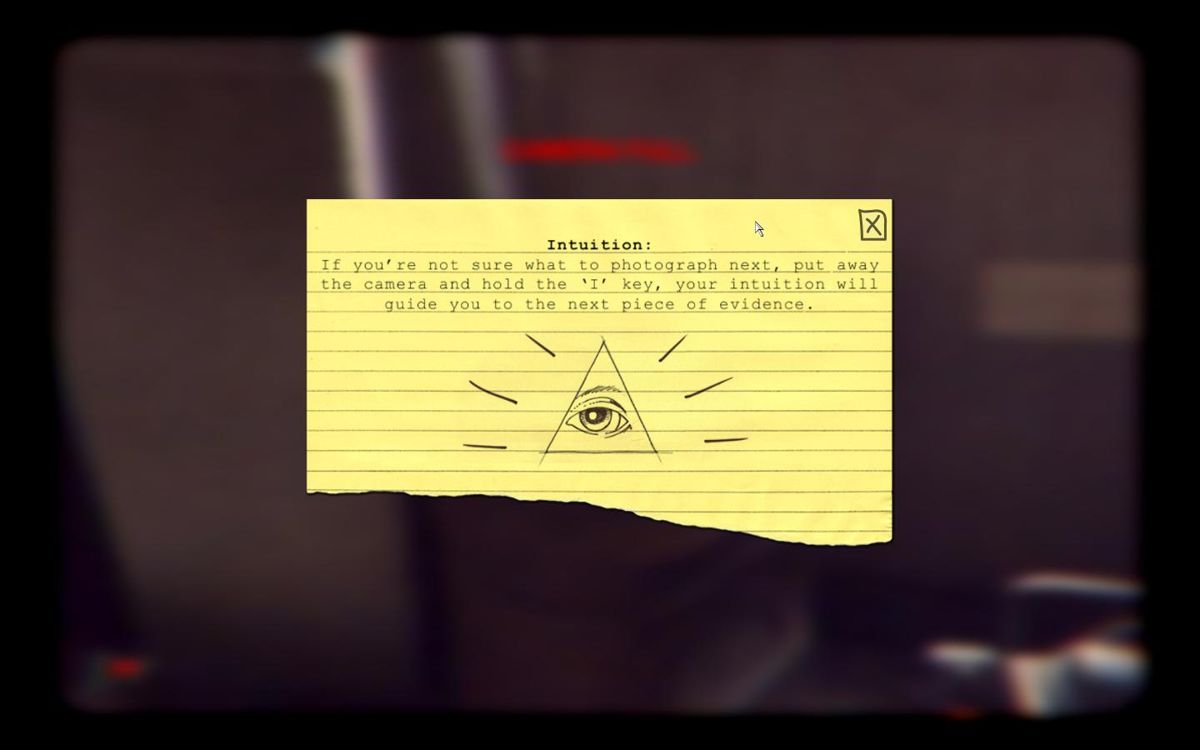
Its friction is deliberate. Mini-games can be skipped and the hint system is there when you hit a wall, but both reduce your final score. That makes help a practical safety valve rather than a free escape hatch. You will either appreciate the pressure to solve problems yourself or resent the ranking system for treating a needed nudge as a blemish. The best approach is to use hints sparingly, then replay a case if a stronger grade matters to you.

Graphics
The game is presented in first person, keeping you in the investigator’s seat as you work through the cases. The supplied material emphasizes the reworked episodes and their new investigation systems rather than making the visuals the headline; the important thing is that the perspective suits close attention to evidence.
Story
This is a detective anthology, not one oversized case stretched thin. The three episode titles immediately promise different mysteries—Kidnapped, The Watcher, and Snake in the Grass—and the Special Edition’s structure lets you move through a set of self-contained investigations with a common forensic focus.
What works in its favor is how closely the mystery premise and the progression systems align. Hard Evidence is required to close a case, while Other Evidence exists for the investigator who wants a fuller file. That distinction gives the stories a pleasing sense of depth: solving the central problem is one goal, but building the most complete account is another.
Do not come expecting the trilogy’s narrative to carry everything on its own. The stories are experienced through the work of investigating—finding evidence, linking it, and deciding how much assistance to accept. If that process hooks you, three episodes is a satisfying amount of material. If you mainly want a mystery to passively unfold, the score-conscious casework may feel more like homework than drama.
Overall Experience
Casebook Trilogy: Special Edition earns its place as a compilation because it does more than bundle three episodes together. The reworked games, evidence-linking system, extra mini-games, hints, and ranking framework all pull in the same direction: making you care about the quality of your investigation, not merely whether you reached an ending.
There is a satisfying push and pull between accessibility and mastery. You are allowed to skip a troublesome mini-game and ask for help, so a stalled puzzle does not have to end a case. But the reduced score ensures that the cleanest run remains meaningful. That is a smart compromise for a mystery game, even if the penalty will annoy anyone who regards hints as a normal part of play.
Give it a chance if you like deliberate detective adventures, optional clue hunting, and replaying for a better result. The payoff is strongest for the gamer who wants to earn the title of Forensic Expert by uncovering as much as possible, not just scrape by with the essential evidence. Its focus is narrow, but it is focused in exactly the right place.


Reviews
There are no reviews yet.