 Retro Replay Retro Gaming History, Reviews & Emulation
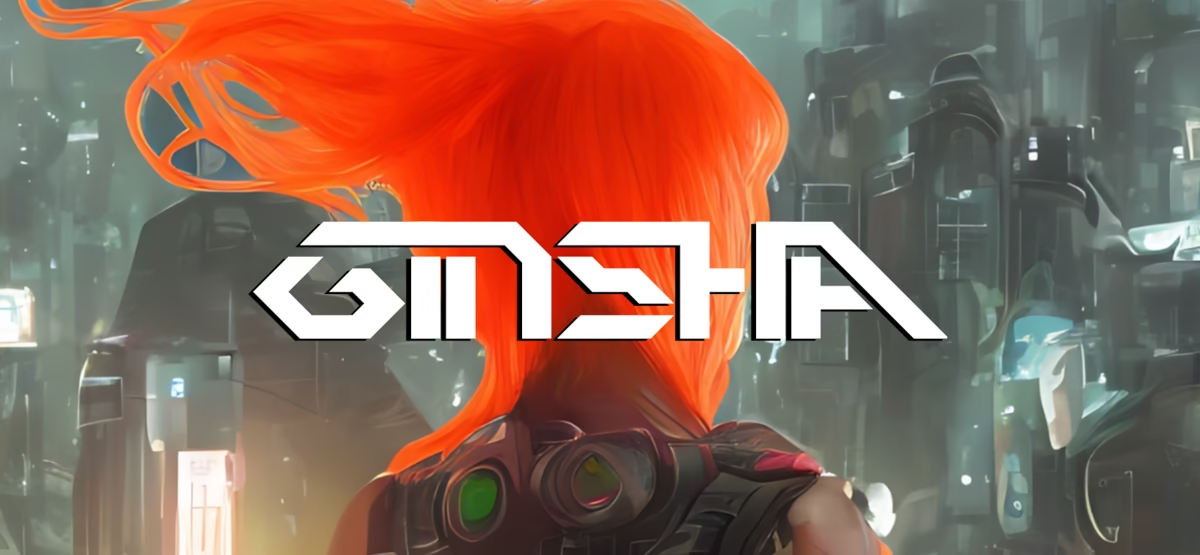
Retro Replay Review
Gameplay
Ginsha starts with a familiar promise, then piles on enough ideas to become its own strange beast. You explore interconnected planets in side-scrolling fashion, look for secrets and shortcuts, and push through enemy-filled environments with weapons, skills, dashes, and a directional gravity shield. The shield is the key detail here. It gives the platforming and combat a more deliberate flavor than simply firing at whatever is in front of you, especially when fights move between the ground, air, water, and space.
There is a lot to keep track of. Alongside combat and traversal, you are leveling up a clone, managing equipment and inventory, taking quests, gathering loot, crafting companion drones, and scanning discoveries for an in-game wiki. That is exciting if you enjoy systems feeding into one another. Finding something obscure can lead to data, upgrades, or more advanced gear, so exploration has a practical reward beyond checking a map square off your list.
The tradeoff is that Ginsha does not sound interested in being clean or minimal. Its RPG, crafting, survival, and scanning layers can make the journey feel dense, and you will get more out of it if you are willing to engage with more than the immediate next objective. A controller is the sensible way to play, particularly given the quick combat, directional defensive tool, and platforming demands. You can find the Windows version on Ginsha’s Steam page.
Graphics
Ginsha uses atmospheric pixel art for its 2D side-scrolling sci-fi adventure. The format suits a game that moves through alien planets and varied combat spaces without abandoning the classic platformer viewpoint.
Story
You play as the alien lifeforms Gin and Gon on a mission tied to saving their species and uncovering the mystery of a dying planet in the far future. The setup gives the exploration a clear personal stake, even as the game sends you across six planets and into contact with unfamiliar lifeforms.
Its most interesting narrative idea is that behavior carries consequences. Dialogue choices and a karma system affect your surroundings, open new possibilities, and can lead to different endings. You can make friends or enemies, learn new languages, and choose a more benevolent or cruel path instead of treating every encounter as a fight or a vending machine for quest rewards.
That structure should reward a second run more than a tightly authored one-and-done story would. The selling point is not simply reaching the conclusion, but seeing how different decisions shape the route there. If you like role-playing games where curiosity and attitude matter as much as combat skill, Ginsha gives its story systems real weight.
Overall Experience
Ginsha is an ambitious, system-heavy Metroidvania for the gamer who wants more than a polished sequence of upgrades and boss gates. Its mixture of platforming, free-aim or assisted combat, gravity-based defense, equipment, crafting, scanning, and choices is unusually broad. When that combination clicks, it should make each new area feel like an invitation to poke around, experiment, and come back better prepared.
It is also the kind of game that asks for patience. You need to be comfortable with inventory, builds, hidden paths, and a world full of possible distractions. Someone who wants a fast, focused action game may find all those layers pulling attention in too many directions. Someone who likes being handed a big sci-fi sandbox of interconnected problems, on the other hand, has a lot to dig into.
The payoff is the sense that your progress can come from several directions at once: sharper combat choices, stronger gear, better use of the gravity shield and dash, a newly crafted drone, a scanned discovery, or a decision that changes what becomes possible. Ginsha is worth a chance if that dense, exploratory approach sounds energizing. It is less about rushing to the next milestone and more about seeing how far its many moving parts can take you.


Reviews
There are no reviews yet.