 Retro Replay Retro Replay gaming reviews, news, emulation, geek stuff and more!


Retro Replay Review
Gameplay
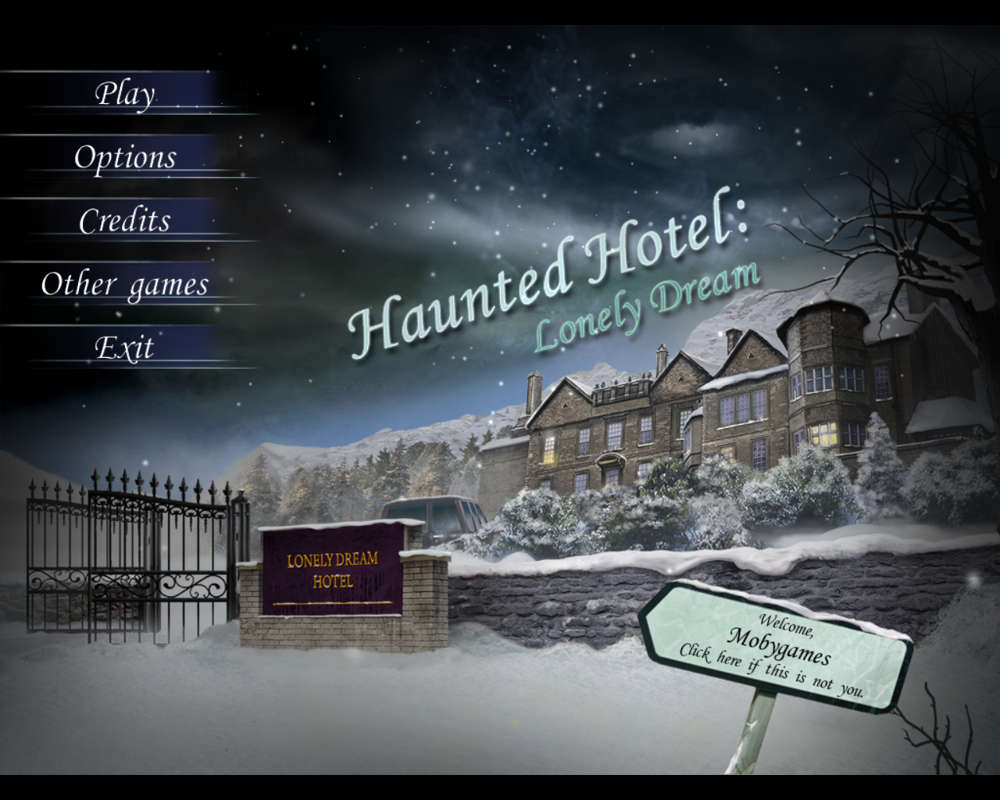
Haunted Hotel: Lonely Dream starts with a dependable point-and-click loop, and it understands why that loop works. You move through the Lonely Star hotel from the investigators’ viewpoint, collect objects, and look for the logical spot where each one can solve a problem. There is a modest detective pleasure in turning a seemingly random inventory find into the next opened path, especially when you stop treating every room as a pile of clickable clutter and start reading it as a puzzle space.
The sliding inventory is a small convenience that helps the screen stay focused on the room until you need your tools. Dragging an item onto the right place is straightforward, which suits a game built around observation rather than fiddly inputs. Progress depends on practical associations, so the strongest advice is simple: take a moment to inspect the environment before reaching for a hint. You will get more satisfaction from making the connection yourself.
Hidden-object scenes break up the hotel exploration with lists of items buried in densely packed scenery. They are deliberately busy, and that is where the game can become frustrating if your eye tires of scanning for one tiny object among the paraphernalia. The rechargeable hint button is a sensible safety net rather than a permanent shortcut: use it after an honest look, not the instant a list stalls.
The mini-games add welcome variety. Redirecting a beam with mirrors, joining same-colored wires into circuits, and working through mechanical puzzles ask for a different kind of attention than item hunting. None of this transforms the formula, but the change of pace matters. The game is at its most enjoyable when it alternates between searching, applying an inventory item, and pausing for one of these contained puzzles instead of letting any single activity overstay its welcome.

Graphics
The game keeps you close to the investigation through a first-person view of the cold, isolated hotel. Hidden-object sequences shift to separate screens filled with scattered objects, giving you dense scenes to comb through rather than a sparse room to glance over. That clutter suits the genre, though it can make the last item on a list annoyingly hard to pick out.
Story
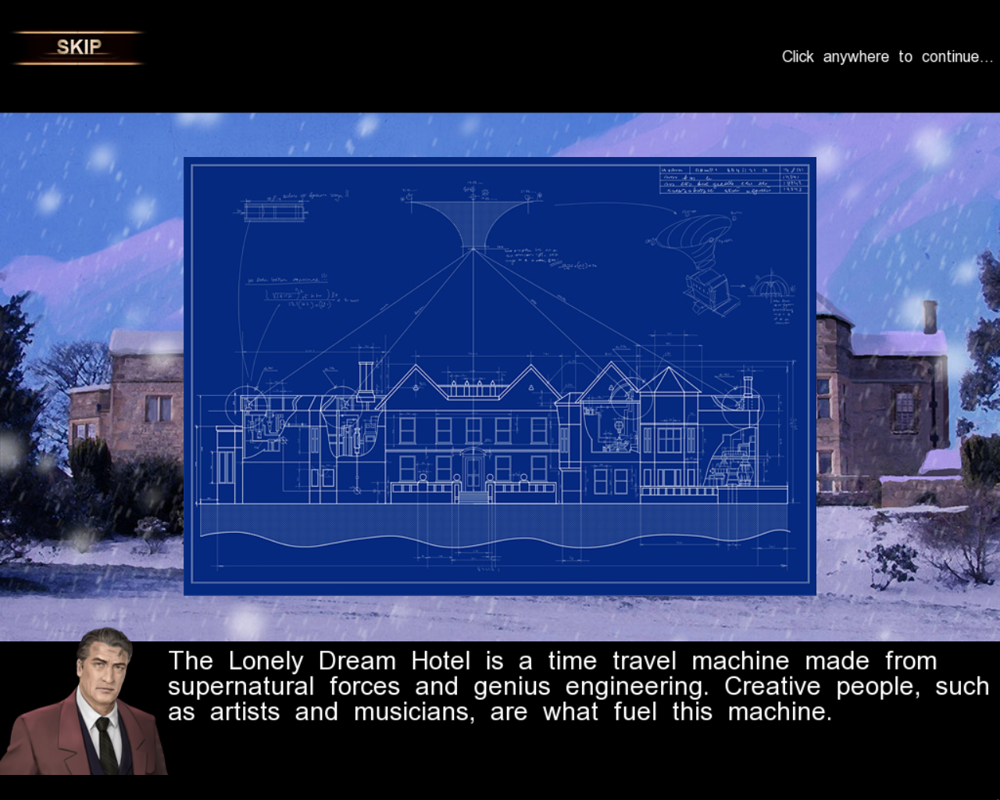
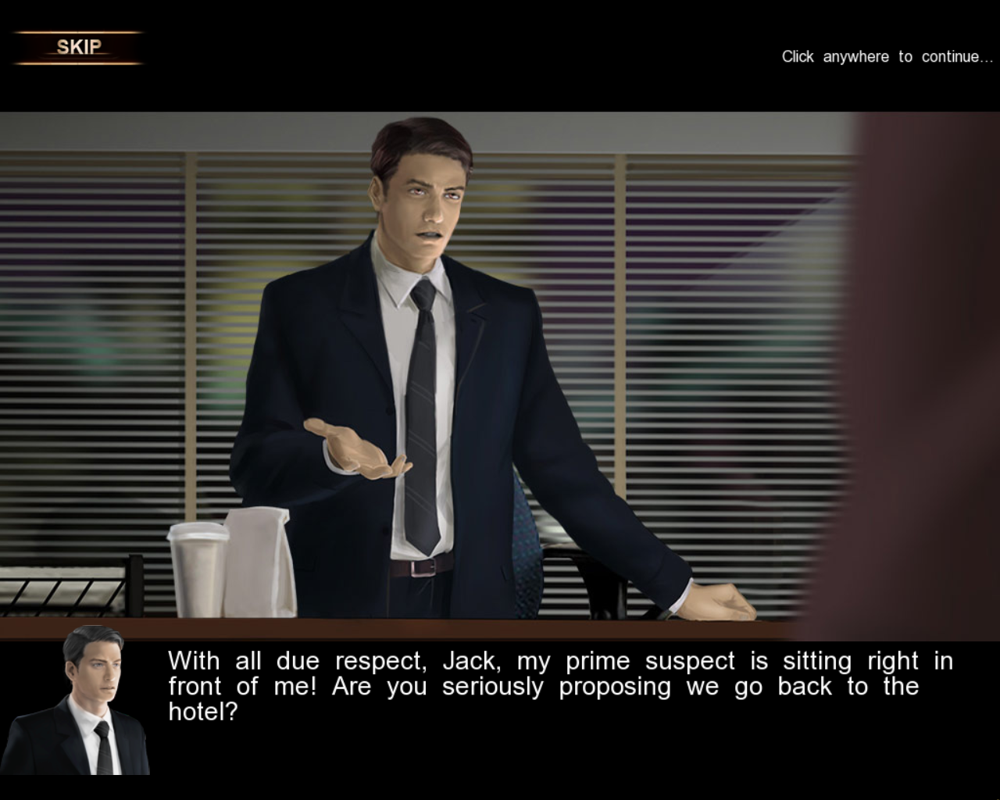
The mystery has a strong, direct hook: FBI agent Damon Sundey and veteran cop Jack Saver arrive at the Lonely Star after tenants vanish without a trace. A haunted hotel is familiar territory, but it is effective territory for this kind of game. Every blocked route and recovered object can feel like another small step into a place that has already swallowed people whole.
Having two investigators gives the setup more purpose than a lone tourist wandering into danger. Damon brings the federal-investigation angle, while Jack’s experience as a veteran cop grounds the case in a missing-person inquiry. You are not asked to save the world; you are following a contained case in a building with a very bad reputation, and that narrower focus fits the puzzle-driven structure.
Do not come in expecting the story to carry you through on dialogue alone. The investigation is chiefly experienced through exploration and the gradual unlocking of the hotel. That works when you want an excuse to keep probing another room and solving another obstacle, though the central pull remains the unanswered question of what happened to the missing tenants.
Overall Experience
Lonely Dream knows its audience and stays in its lane. It is a traditional hidden-object adventure with a horror wrapper, built for the satisfaction of noticing an item, finding its use, and pushing a little farther through an unsettling hotel. That consistency makes it easy to settle into, particularly if you want a game that rewards patient looking more than quick reflexes.
The trade-off is equally clear: a large share of your time is spent searching crowded scenes and working through genre-standard inventory logic. If that sounds relaxing, the hotel offers a pleasant run of small victories. If you need constant surprise or dislike hunting for objects from a list, the same structure will start to feel repetitive well before the case is closed.
Give it a chance if you are in the mood for an old-school hidden-object mystery and do not mind using a hint sparingly when a scene becomes stubborn. The payoff is the steady accumulation of solved problems and a mysterious hotel that keeps giving you one more door, mechanism, or cluttered search to investigate. It is not ambitious in its format, but it is a solid fit for a patient puzzle-adventure session.


Reviews
There are no reviews yet.