 Retro Replay Retro Gaming History, Reviews & Emulation
Retro Replay Review
Gameplay
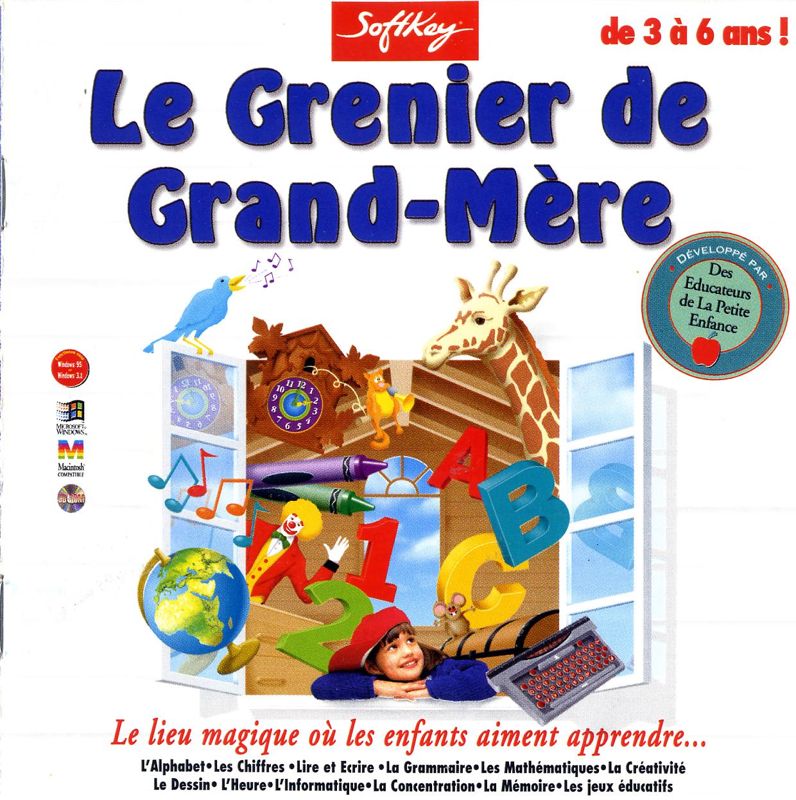
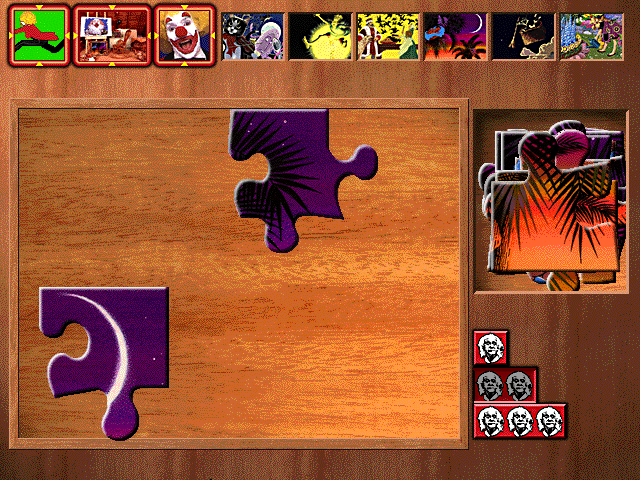
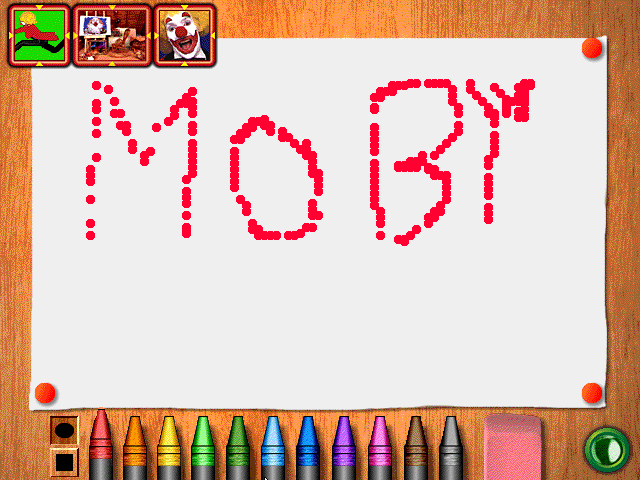
The first hour is likely to work best when you let a child wander between activities instead of treating In Grandma’s Attic like a lesson plan. There are six kinds of play to sample, from a creative easel and jigsaw-style puzzles to animal memory games and activities involving large machines. That variety matters for the intended age group: one child may settle into drawing, while another keeps returning to the matching and puzzle work.
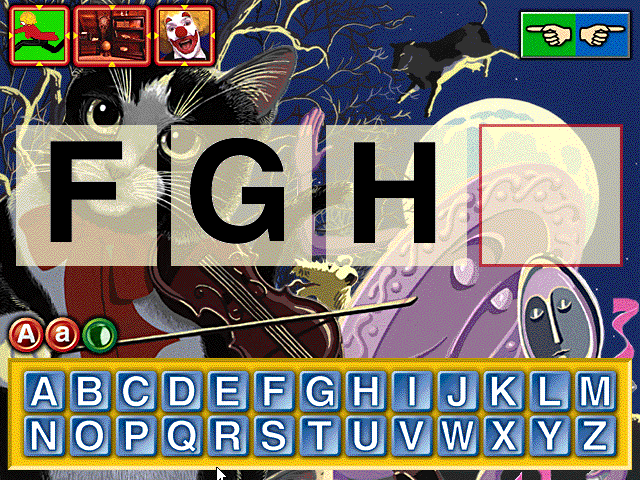
Its educational goals are unusually broad. The activities target decision making, creativity, music, language, classification, ordering, numbers, and spatial and temporal relations, but the useful part is that these are practiced through simple tasks rather than presented as a checklist to the child. Puzzles and memory games are particularly natural fits for the learning goals, because success comes from noticing positions, patterns, and categories.
The limitation is also built into that simplicity. Children who need constant novelty may exhaust the immediate surprise quickly, and adults should expect to revisit favorite activities rather than uncover a long progression. Still, for ages three to six, familiar repetition is often the point. Buckley the Clown offers help during attic exploration, which should make it easier for a young child to recover when they are unsure what to do next.
Graphics
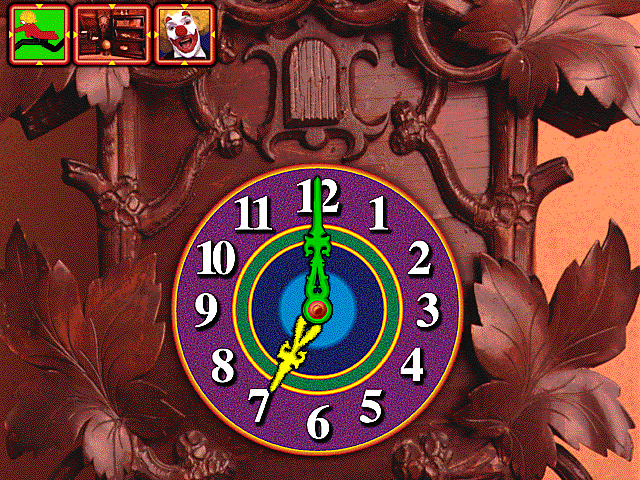
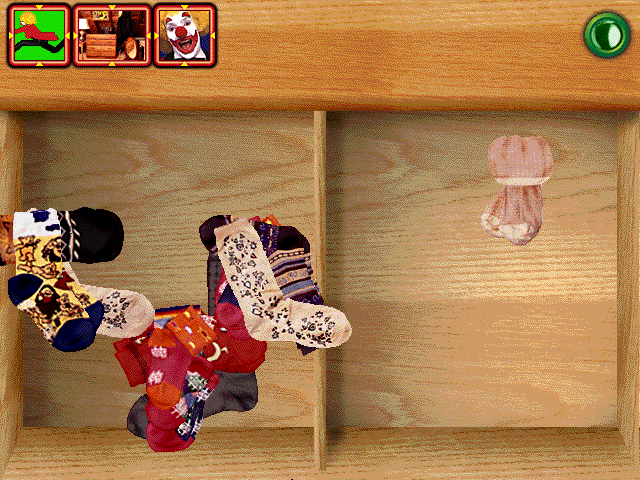
The attic framing, drawing easel, animal memory cards, big machines, and Buckley the Clown give the game concrete things for young children to look at instead of asking them to engage with bare educational exercises. The point-and-select format also suits an activity collection aimed at preschoolers.
Story
The attic is a framing device rather than the source of a large adventure. It gathers the activities under one child-friendly theme and gives exploration a little context without asking a preschooler to follow a complicated plot.
Buckley the Clown is the closest thing to a continuing character, functioning as a guide when help is needed. That is a sensible role: young children get a friendly prompt instead of being left alone with an unclear task.
Do not come here for a tale with dramatic turns or a strong payoff. The small sense of discovery comes from moving through the attic and finding another activity that catches a child’s interest. For this age bracket, that modest structure is enough.
Overall Experience
In Grandma’s Attic succeeds most as a calm, varied activity box for preschoolers. It respects the fact that early learners do not all respond to the same kind of challenge, mixing creative work, puzzles, memory play, numbers, music, and language rather than betting everything on one approach.
It is less compelling as a game you would expect a child to play through from beginning to end. The strongest use is shorter, repeatable sessions: offer the child a choice, let them experiment, and use Buckley’s help when they stall. That makes the educational structure feel less like instruction and more like guided play.
Give it a chance if you want a broad set of gentle practice activities for a three- to six-year-old and appreciate a little exploration around them. Its payoff is practical rather than thrilling, but the range of tasks and age-appropriate guidance make it a worthwhile educational title.


Reviews
There are no reviews yet.