 Retro Replay Retro Gaming History, Reviews & Emulation

Retro Replay Review
Gameplay
The first hour settles into a pleasant loop: roll the dice, arrive at a mansion location or somewhere around its grounds, and start picking through the scene for the objects listed along the right side. It is familiar hidden-object territory, but the board-game structure gives the search screens a little more momentum than a plain sequence of rooms. You are not merely clearing a checklist; you are moving through a mystery one roll at a time.
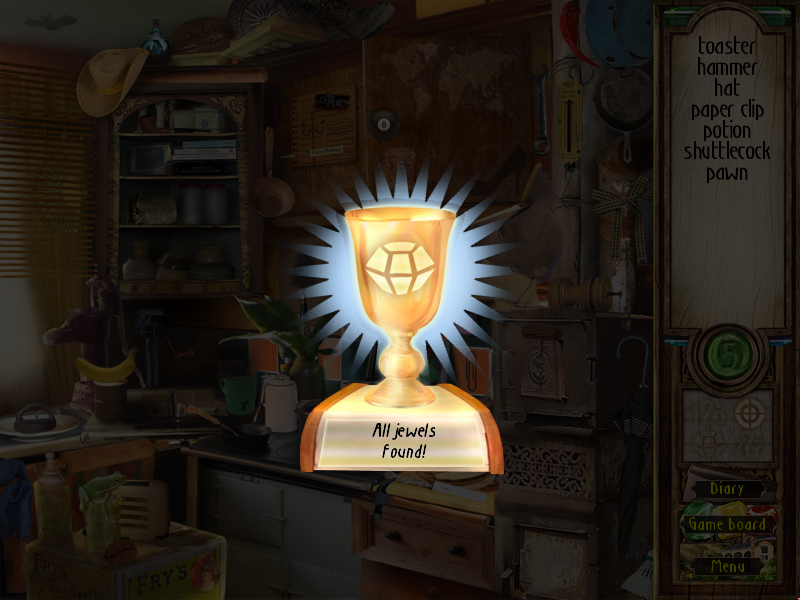
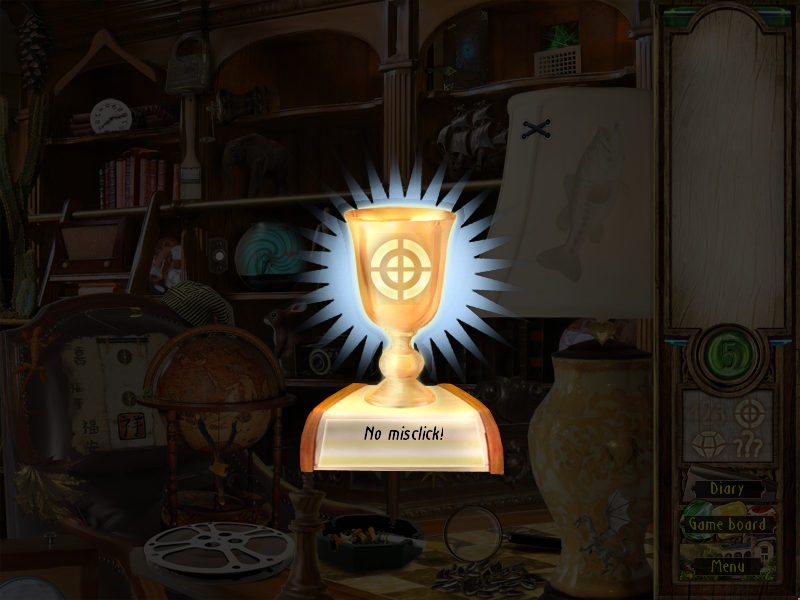
What keeps the basic formula from becoming entirely automatic is the set of optional awards attached to each location. Finding all six jewels, collecting items in the listed order, avoiding incorrect clicks, and solving a riddle for a special object ask you to search with more care than usual. The order challenge in particular changes the rhythm: instead of grabbing the first obvious item you spot, you have to hold back and examine the whole scene. That is a smart twist for anyone who tends to play these games on autopilot.
The hint system is useful but intentionally limited. A green jewel below the list points out one needed object, yet you only have five hints at once. That creates real pressure when the final item is hiding in plain sight and impatience starts producing bad clicks. At the end of chapters, a tile-swapping match-three mini-game lets you earn additional hints by making lines or columns of three matching tiles. It is a sensible breather between searches, though it will feel like a detour if you only want to get back to the mansion.
This is best for a patient, checklist-minded player who enjoys squeezing extra goals out of a hidden-object scene. If you simply want to find listed items as quickly as possible, the awards and hint economy may feel stricter than necessary. If you enjoy turning a clean run into its own little puzzle, they give the game welcome bite.

Graphics
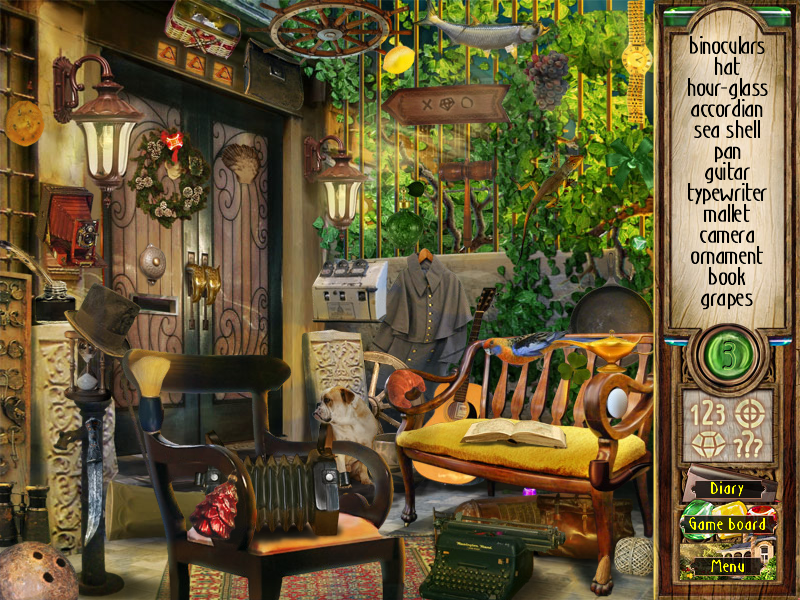
You spend most of your time looking closely at scenes set in the mansion and its surroundings, with object lists fixed at the right side of the screen and the green-jewel hint button below them. The view is built for scanning every corner and noticing small, easily missed items, which suits the game’s careful-search focus.
Story
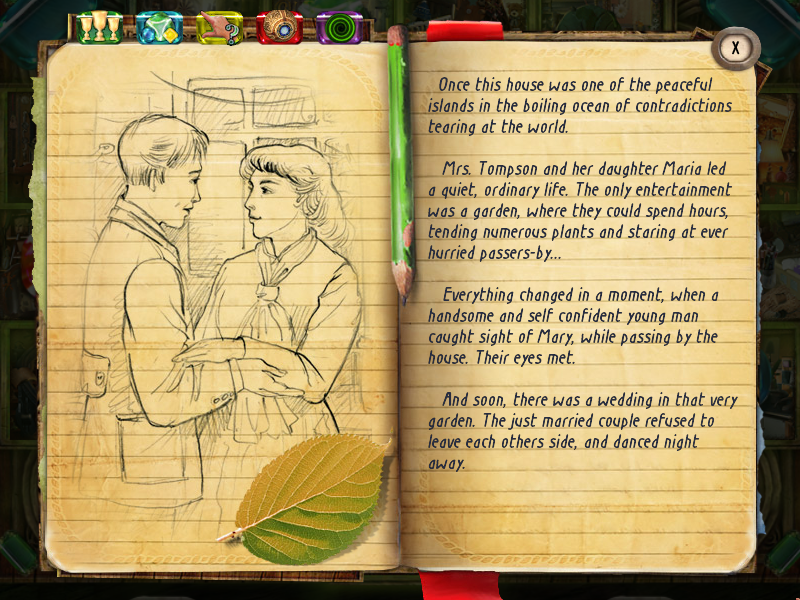
The story is deliberately simple in its setup: you take the role of someone playing a mysterious board game, removing objects from scenes to uncover the mansion’s secret past. That is enough of a hook to give the repeated searches a purpose beyond clearing rooms.
Do not come in expecting the mystery to overwhelm the puzzle work. The narrative functions mainly as a thread connecting the locations and the board-game progress. The real question is whether you enjoy the feeling of gradually peeling back a haunted-looking old-house secret through observation.
The riddles attached to special items are the most direct point where that mystery becomes something you actively solve. They are a good fit for the theme because they make the mansion feel less like a random set of search screens and more like a place with answers tucked away behind small challenges.
Overall Experience
Time Riddles: The Mansion is a solidly structured hidden-object game with a few extra demands layered over its central scavenger hunt. The dice board, optional awards, jewel hunting, riddles, and finite hints all nudge you to pay attention rather than mindlessly click through lists.
Its strongest moments come when you are one item away from finishing a scene, weighing whether to spend a precious hint or keep searching, then realizing an award condition has changed how you should approach the room. That tension is modest, but it is more engaging than a completely consequence-free hunt.
The match-three interludes and board-game framing will not transform the genre for you, and they can feel like interruptions if hidden-object screens are all you want. Still, the payoff is worthwhile for genre regulars who value careful play and optional mastery goals. Give it a chance if a mansion mystery with stricter-than-usual searching sounds relaxing rather than restrictive.


Reviews
There are no reviews yet.