 Retro Replay Retro Gaming History, Reviews & Emulation

Retro Replay Review
Gameplay
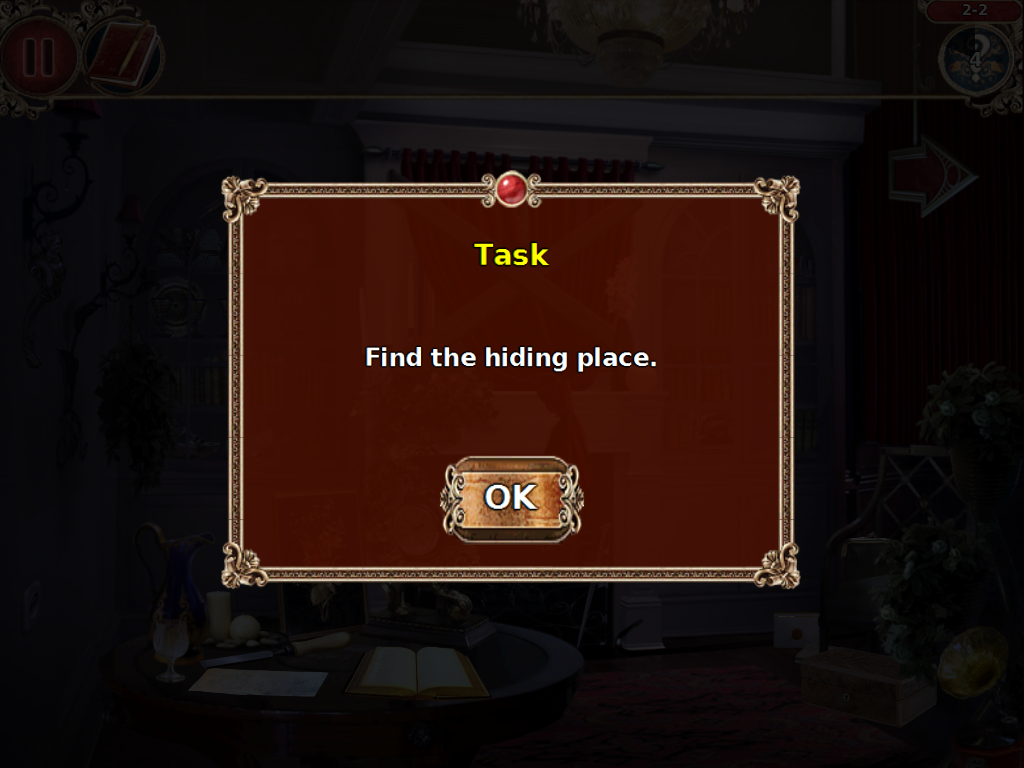
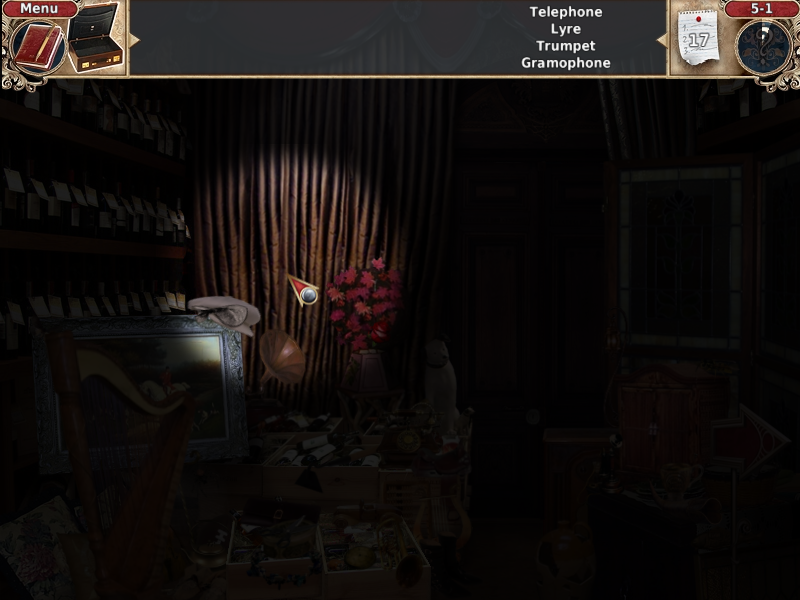
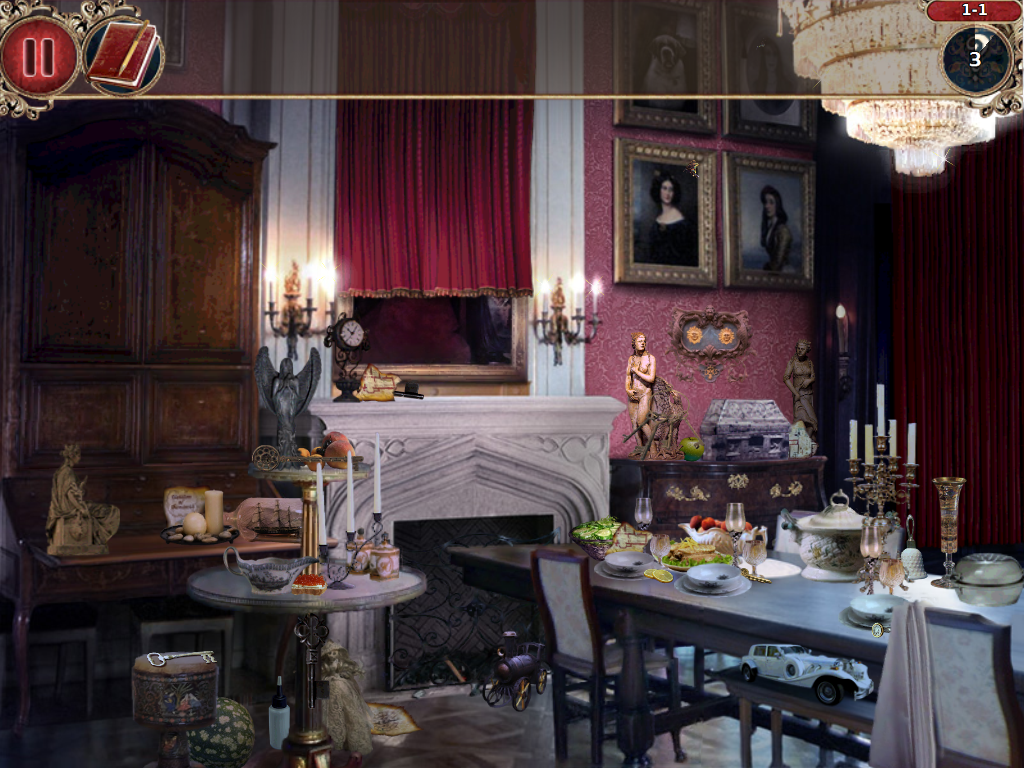
Vampireville is built around a dependable hidden-object loop: enter a plot-relevant location, scan the scenery for items named in a list, and click them away one by one. The structure is immediately legible and gives each room a clear short-term purpose, while the mansion setting keeps the searches tied to an ongoing investigation rather than presenting them as disconnected boards.
The game does more than ask for simple list completion. Some objectives require using interactive hotspots, while others call for collecting and applying inventory items kept in a tray at the upper left. Objects may sit behind curtains or inside cabinets and other containers, so progress often depends on noticing what can be opened, moved, or otherwise examined instead of merely sweeping the screen for visible shapes.
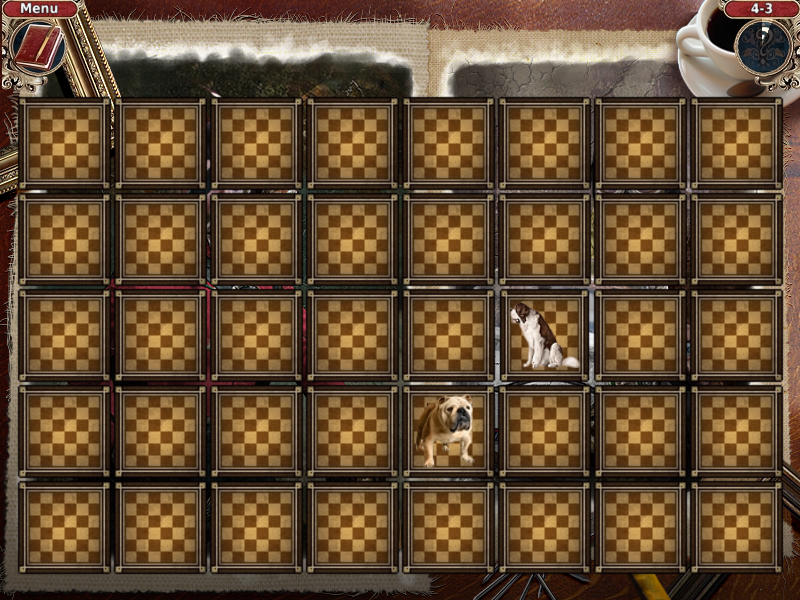
Its hint system is a sensible safety valve for the genre’s more stubborn searches: it identifies the position of a required object, but its recharge time discourages relying on it for every answer. Separate puzzle screens add classic diversions such as gear arrangements, sliding-block route puzzles, image and message unscrambling, memory matching, and related challenges. Players looking for radical mechanical invention will find a familiar formula, but those who enjoy a steady rotation of search tasks and compact puzzles will find the pacing accommodating.
Graphics
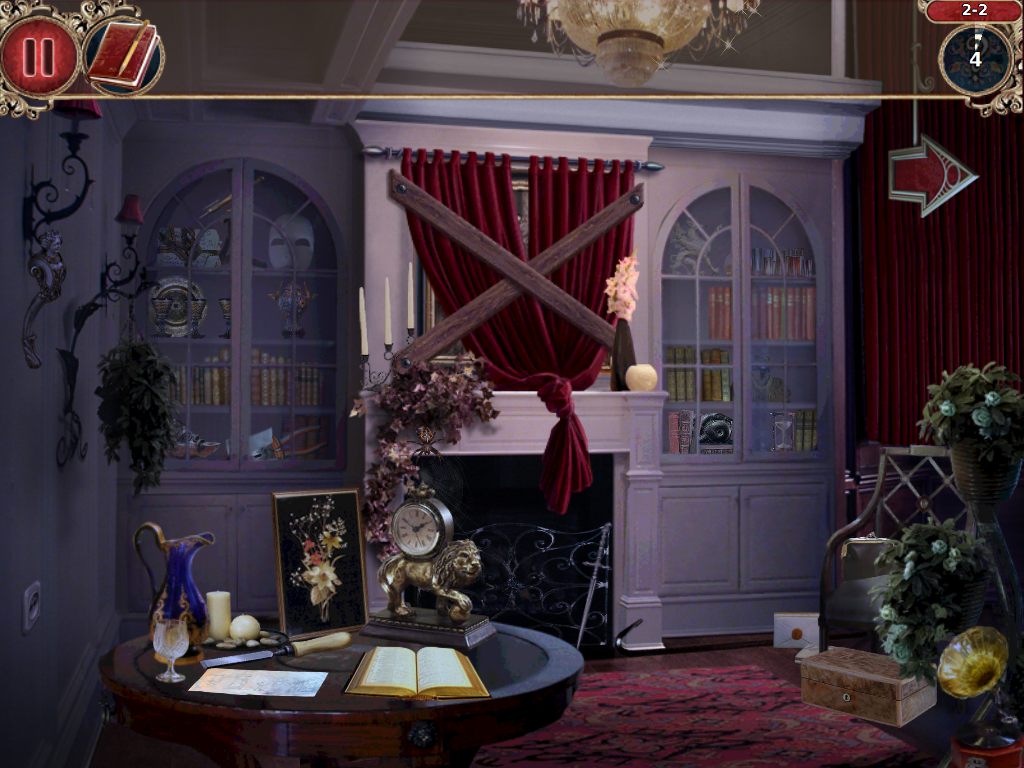
The presentation uses the familiar NevoSoft hidden-object framework, with locations designed to support dense object hunts and interactive scenery. That practical design is central to the game’s visual appeal: rooms are not simply backdrops, but spaces where curtains, cabinets, and other elements can conceal the things needed to proceed.
Vampireville distinguishes itself within that framework by using 3D models for its principal characters. This gives the cast a different visual role from the primarily scenery-driven search screens and helps the comic horror premise feel more character-led than a purely static hidden-object mystery.
Expect the visuals to serve readability and atmosphere first. The mansion’s rooms need to sustain repeated close inspection, and the supernatural subject matter gives the art direction a natural route toward oddness without demanding a straight-faced scare campaign. It is a functional presentation for players who like searching through busy scenes, rather than a showcase built around animation or spectacle.
Story
The premise efficiently establishes both danger and curiosity. A real-estate agent arrives to assess an old mansion after a colleague has gone mad on the same job, immediately giving the assignment a suspicious history. Meeting the house’s unusual residents only deepens the sense that this is not a routine valuation.
After staying in a guest room, the agent experiences bizarre events and supernatural encounters, turning the visit into an investigation of the mansion and its many mysteries. The narrative gives the player a credible reason to move from room to room, and its house-bound structure suits the gradual uncovering of concealed objects, locked-away items, and puzzle clues.
The tone is not committed to pure dread. Vampireville pokes fun at horror-film conventions, so its haunted-house material is framed with humor as well as unease. That approach makes it best suited to players who want a spooky theme with a playful edge, not an oppressive or relentlessly frightening adventure.
Overall Experience
Vampireville is a conventional hidden-object adventure that understands the appeal of the format: clear objectives, a steady supply of things to inspect, and intermittent logic puzzles that break up the searches. The mansion mystery provides a coherent setting for that formula, while inventory use and environmental interactions offer a little more involvement than static item lists alone.
The game’s strongest appeal is its balance of familiar systems and a lightly comic supernatural wrapper. Searching, hotspot actions, inventory tasks, and standalone mini-games all operate within well-established genre expectations, which makes the experience accessible but also means genre veterans may recognize much of its design immediately.
Choose Vampireville if you want a 2010-era Windows hidden-object game with a humorous horror setup, a room-by-room mystery, and several classic puzzle types. Its deliberate, observational pace rewards patience and curiosity more than fast reflexes, and the character models plus odd resident cast give its mansion investigation a modest identity of its own.


Reviews
There are no reviews yet.